
150+ List of Construction Tools, Equipment & Machinery with Pictures
Comprehensive List
“150+ Building Construction Tools and Equipment”
The list of Tools , Equipment & Machinery includes below items:
- Construction Tools, Equipment & Machinery required for Lifting & Shifting of materials.
- Construction Tools, Equipment & Machinery required for Earthwork (Excavation, Backfilling & Compaction).
- Construction Tools, Equipment & Machinery required for Formwork.
- Construction Tools, Equipment & Machinery required for Concrete Pouring Work.
- Construction Tools, Equipment & Machinery required for Concrete Finishing Work.
- Construction Tools, Equipment & Machinery required for Plastering.
- Construction Tools, Equipment & Machinery required for Operation & Maintenance Work.
- Construction Tools, Equipment & Machinery required for Repairing Work.
- Construction Tools, Equipment & Machinery required for Painting Work.
- Construction Tools, Equipment & Machinery required for Demolition Work.
- Construction Tools, Equipment & Machinery required for Renovation Work.
- Construction Tools, Equipment & Machinery required for Construction Site Setup Work.
- Construction Tools, Equipment & Machinery required for Power Supply to Construction Site Work.
- Construction Tools, Equipment & Machinery required for Night Shift Construction Site Work.
- Construction Tools, Equipment & Machinery required for Working Near Live Road.
- Construction Tools, Equipment & Machinery required for Traffic Management Work.
- Construction Tools, Equipment & Machinery required for Post Tensioning Work including Pre-Stressing & Grouting work.
- Construction Tools, Equipment & Machinery required for Dewatering Work.
- Construction Tools, Equipment & Machinery required for Surveying Work.
Mobile Crane
Use: To lift the materials & equipment.

Tower Crane
Use: To lift & Shift the materials & equipment within the Construction Site.

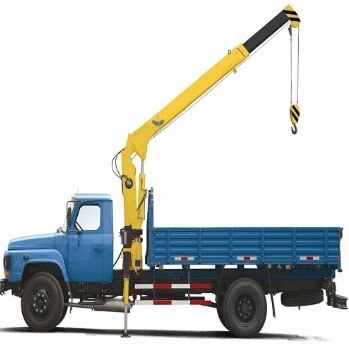
Truck Mounted Crane
Also, Called Hiab.
Use: To Lift the materials and shifting.
Articulated Boom Lift Machine
Use: To access difficult to reach location.

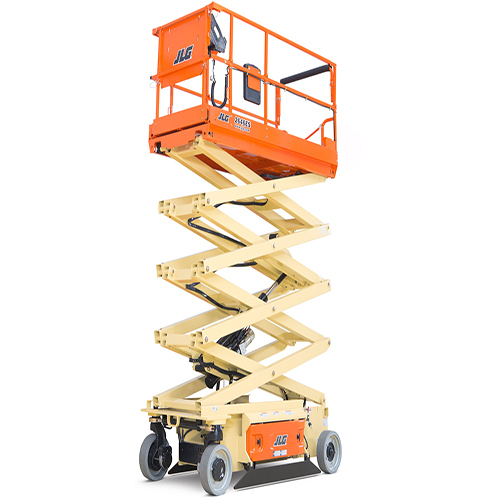
Scissor Lift Machine
Use: To access location is vertical direction.
Mobile Scaffolding Tower
Use: Usually used for painting and maintenance jobs both inside and outside buildings or construction sites.

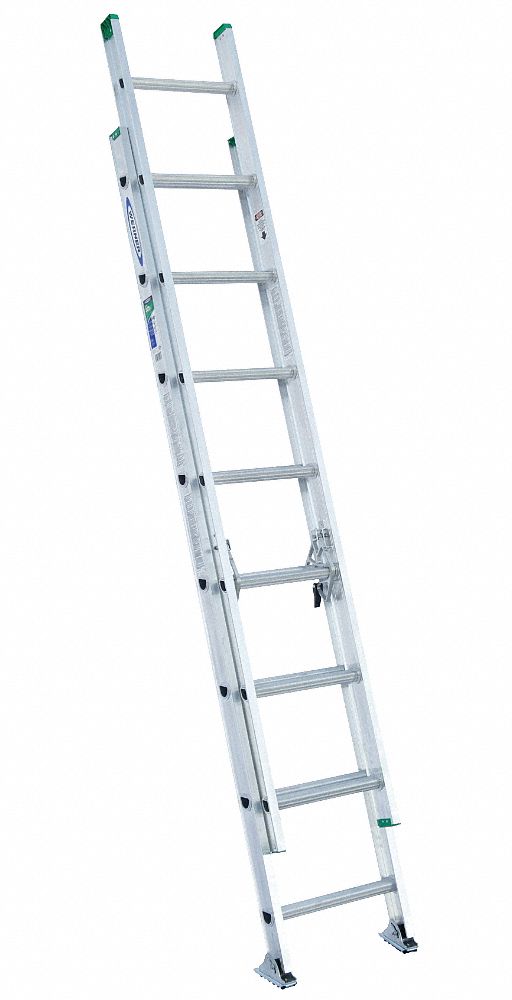
Extension Ladder
Use: Construction tasks often require workers to be on working surfaces that are above ground level. The use of an extension ladder provides easy access to those elevated areas.
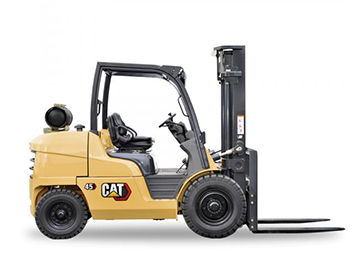
Forklift Truck
Use: To Lift the materials and shifting.
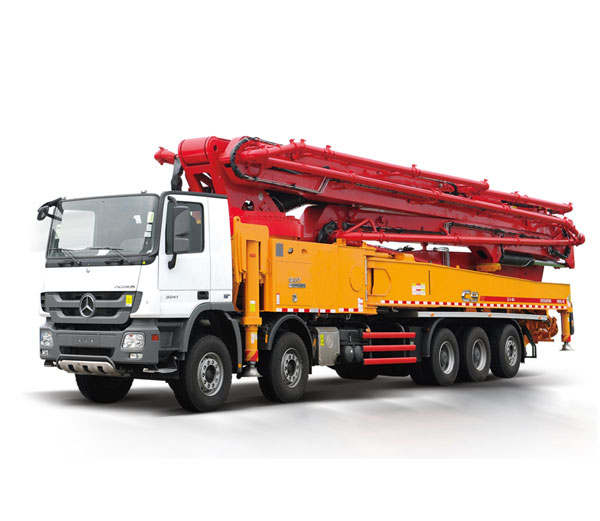
Truck Mounted Concrete Boom Pump
Use: To pump concrete from concrete truck mixture to concreting location.
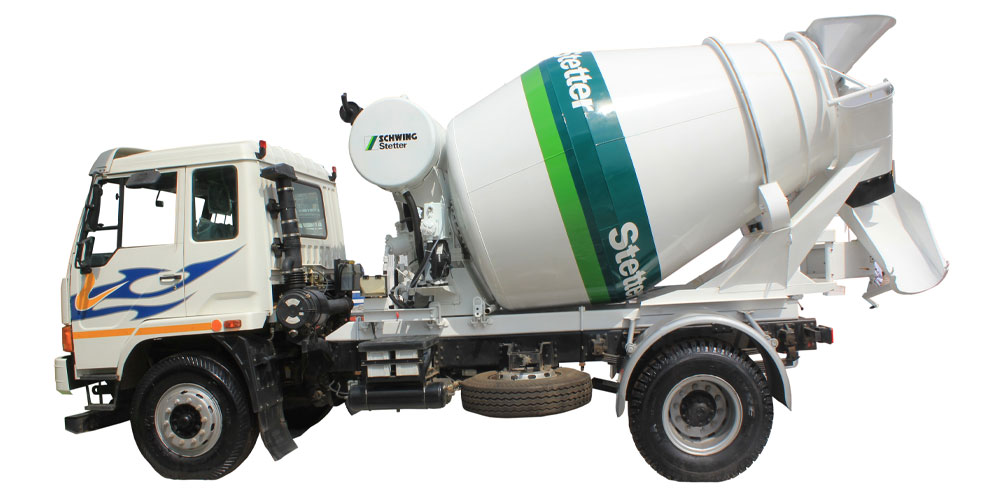
Concrete Mixture Truck
Use: To Supply concrete from Batch Plant to Construction Site.
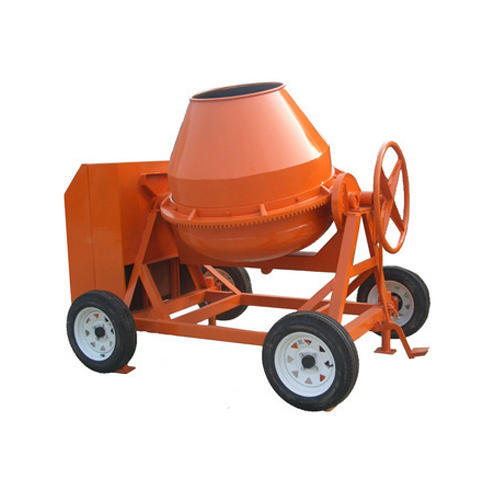
Manual Concrete Mixture
Use: To prepare a Concrete mix at Construction Site.
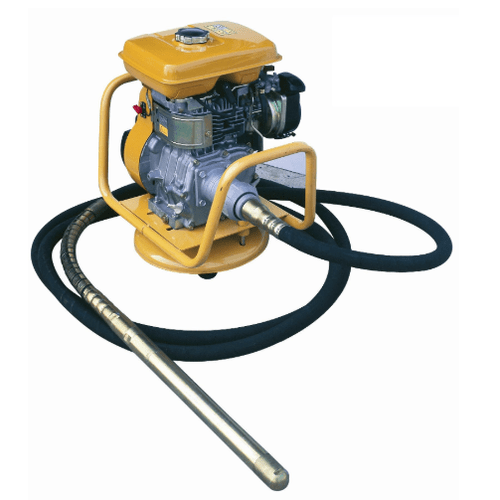
Needle Vibrator
Use: For proper compaction of concrete by removing the air trapped in concrete mix.
Shutter Vibrator
Use: For proper compaction of concrete surface by vibrating surface of freshly poured concrete.

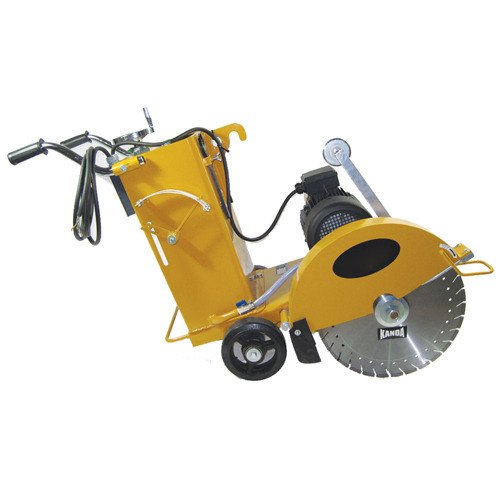
Concrete Cutting Machine
Use: To Cue the Concrete.
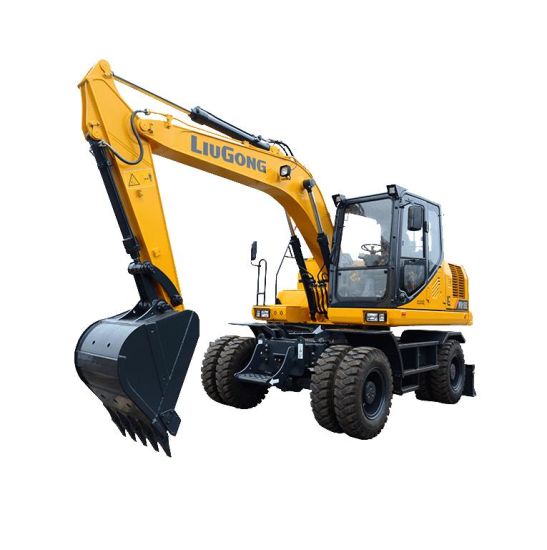
Wheeled Excavator
Use: To excavate the ground.
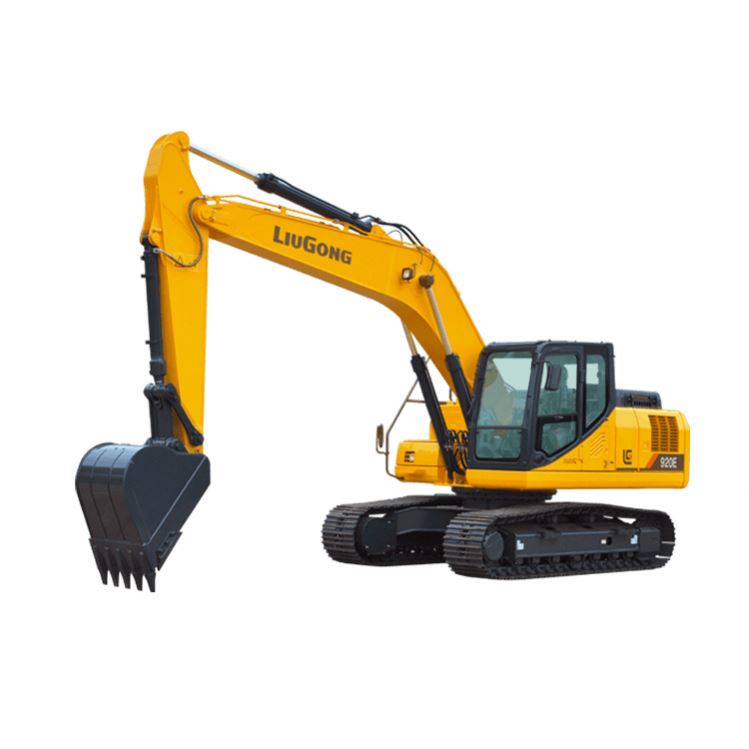
Crawler Excavator
Use: To excavate the ground.
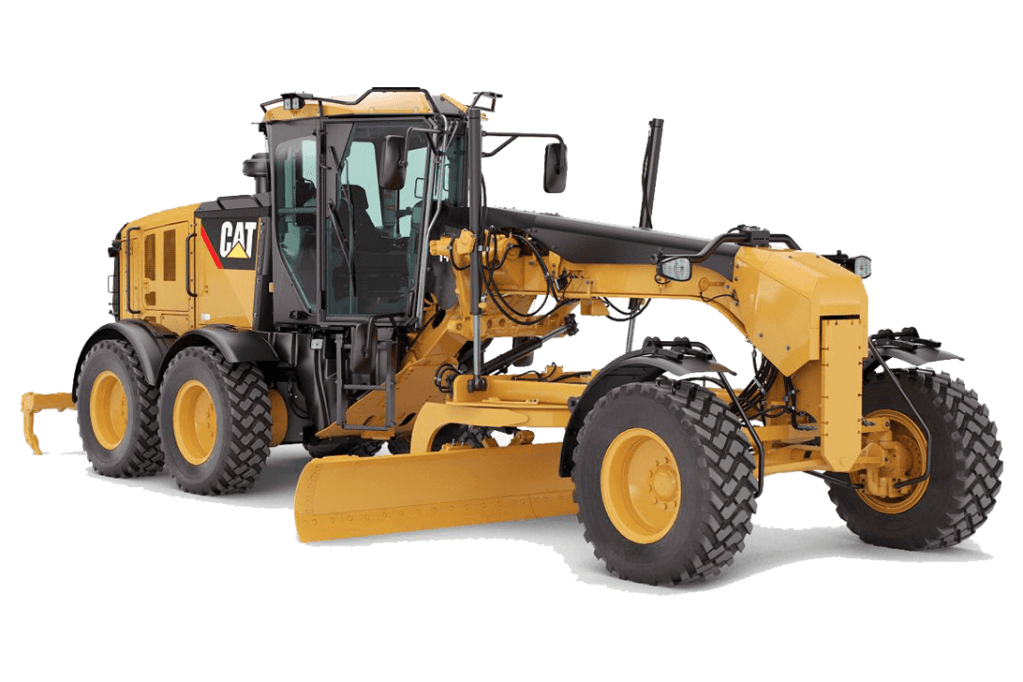
Grader Truck
Use: To level the ground as per required level or slope.
Crawler Dozer
Use: For maneuvering over uneven surfaces and hauling heavy materials.

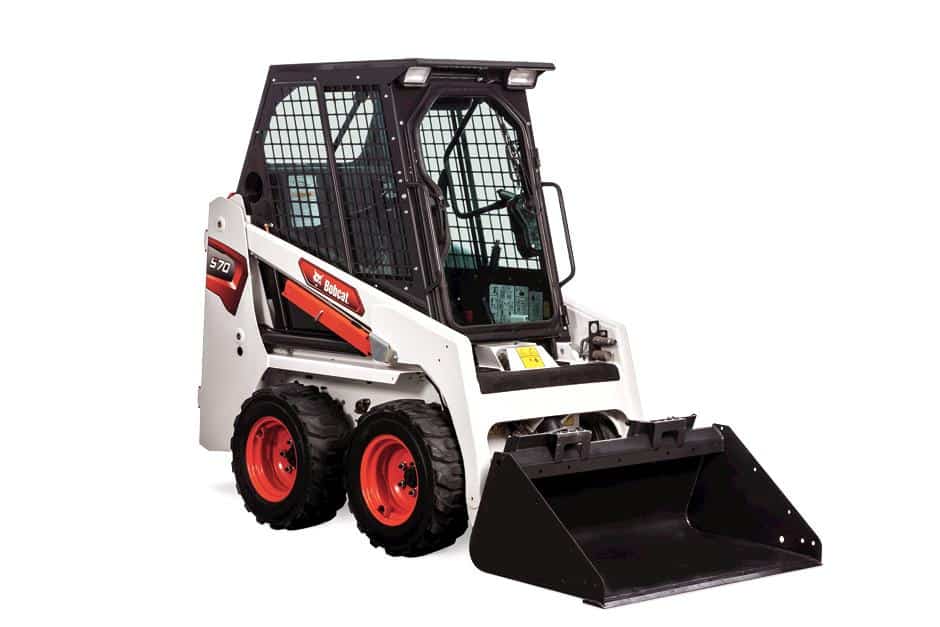
Bobcat Machine
Use: To level the ground, To Shift the material in Small Space Area.
Wheel Loader
Use: To load excavated soil and material into dump truck.

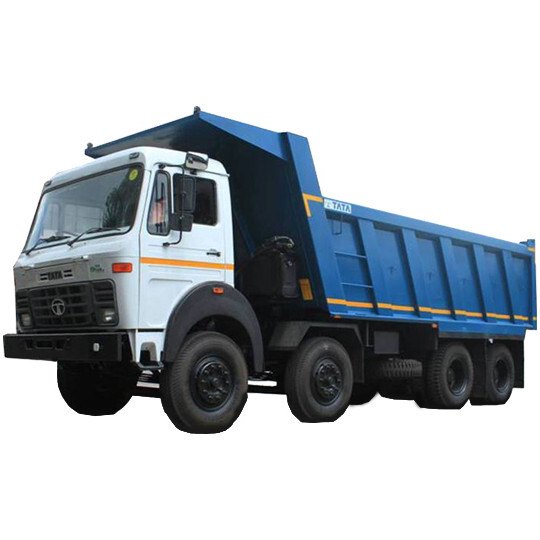
Dumper Truck
Use: To dump the soil from one location to another location.
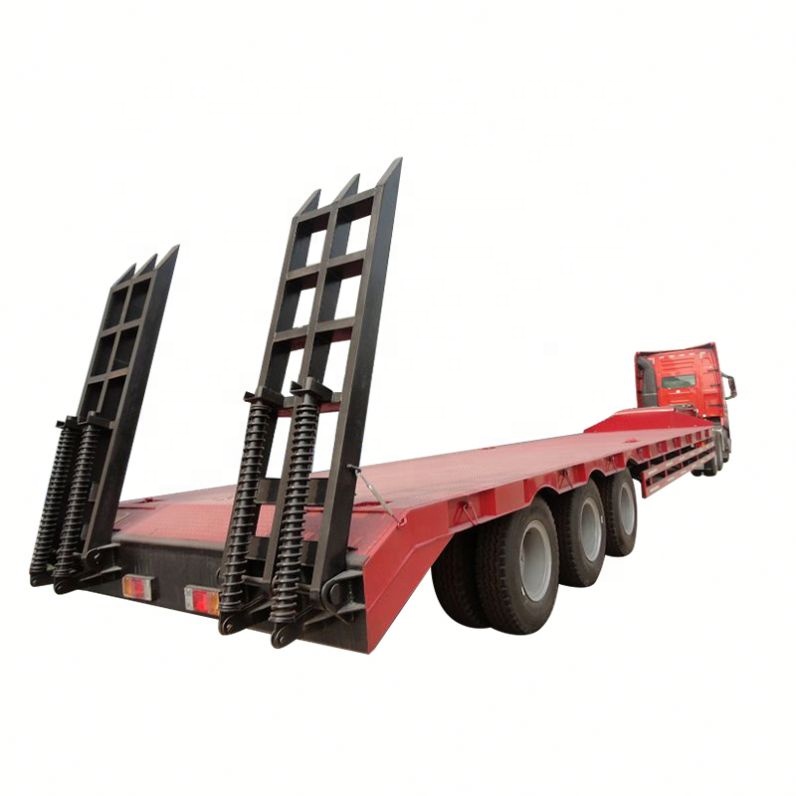
Low Bed Truck Trailer
Use: Low bed trailers can be used with rail cars, machinery, construction assets, and other loads that would otherwise be difficult to haul, saving you time and money while delivery the resources you need on-site.
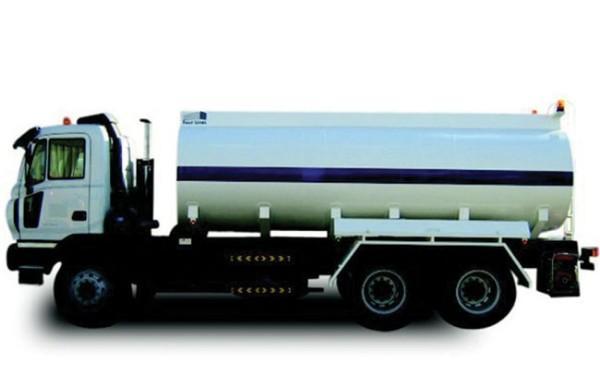
Water Tanker
Use: To supply water to construction Site.
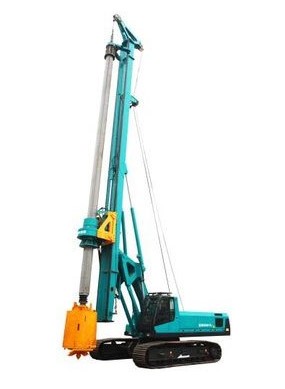
Rotary Drilling Piling Rig Machine
Use: To drill the ground for Piling Construction.
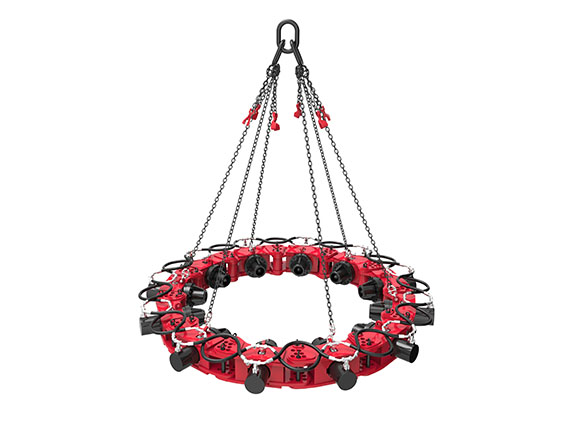
Hydraulic Concrete Pile Breaker Machine
Use: Hydraulic pile breaker is the most advanced, efficient and time-saving system in the world for trimming concrete foundation piles. Working with the pile breaker results in a perfect horizontal finish, undamaged reinforcement and no cracks below cut-off level.
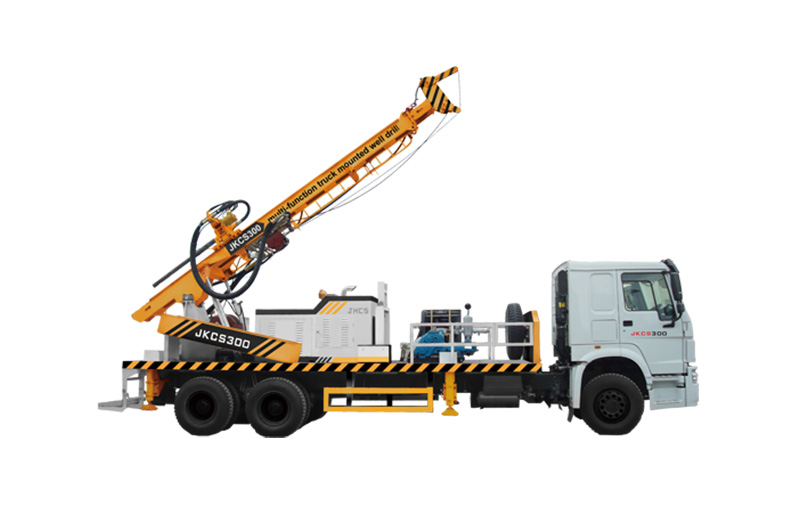
Deep Well Drilling Rig Machine
Use: To drill the deep well or to do a bore hole.
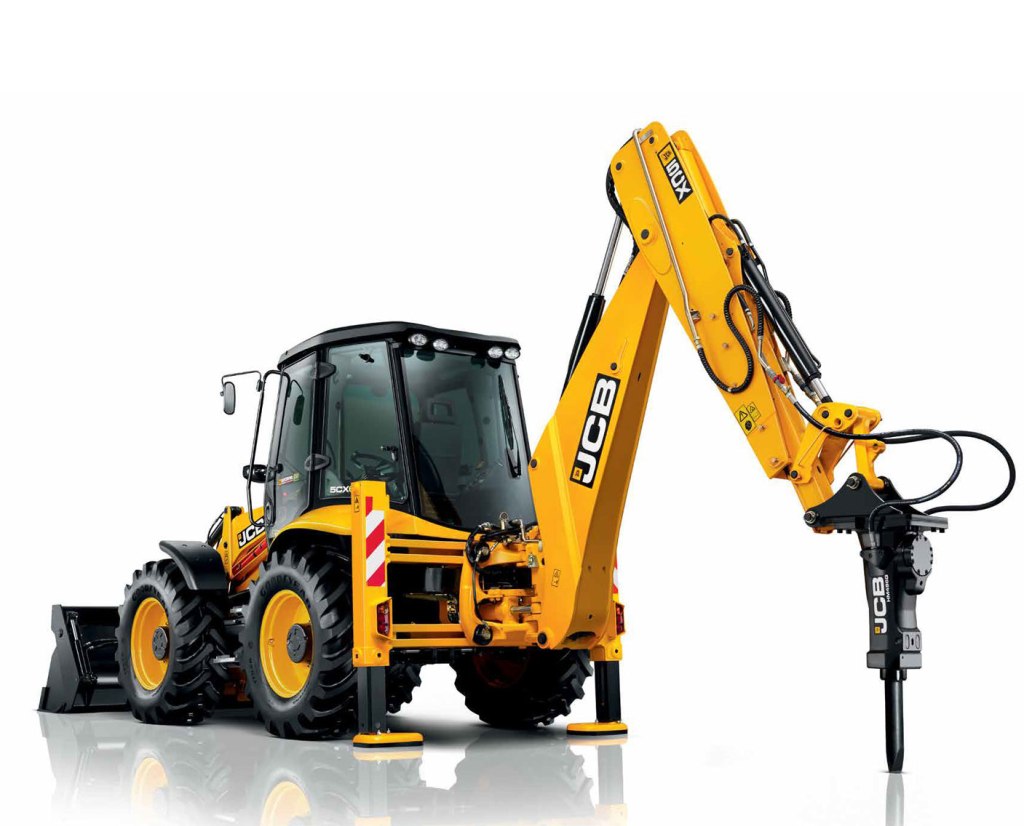
Hydraulic Rock Breaker Machine
Use: To break hard strata or rock.
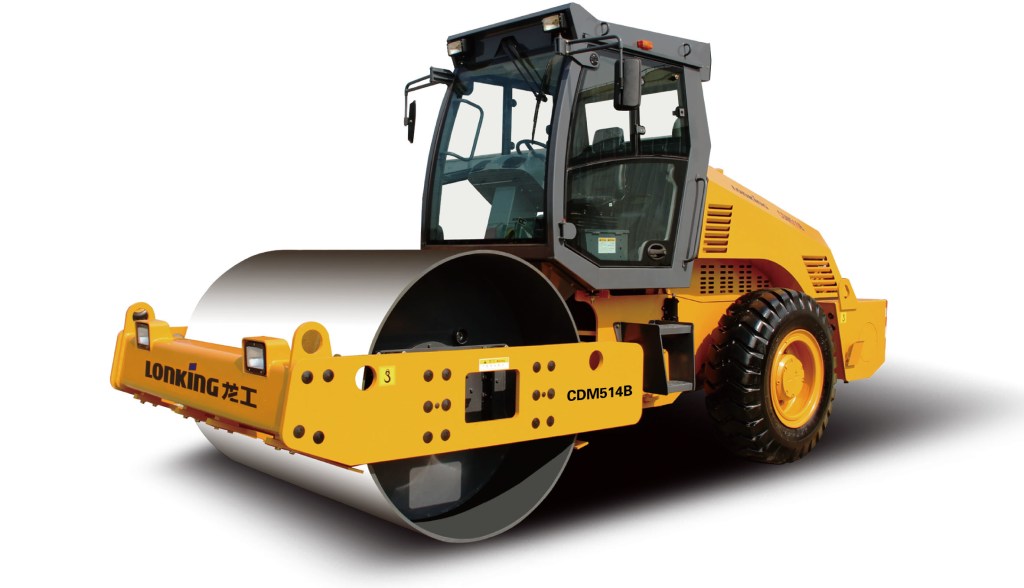
Single Drum Roller Machine
Use: To compact the ground (Vibratory Compaction).
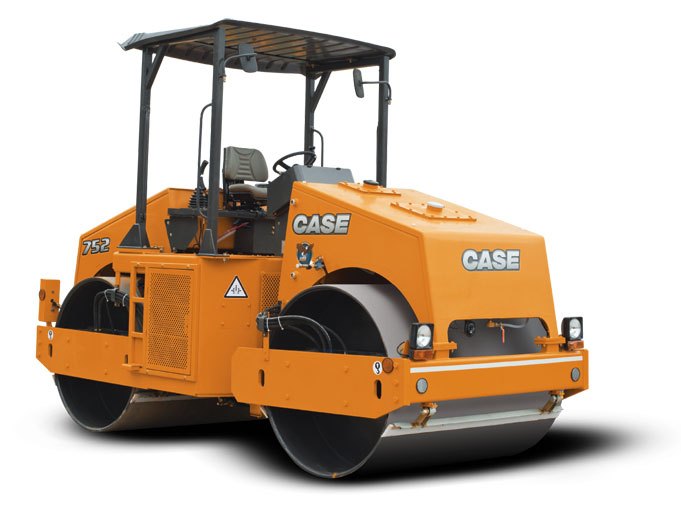
Double Drum Roller Machine
Use: To compact the ground (Vibratory Compaction).
Baby Roller Machine
Use: To compact the ground (Vibratory Compaction).
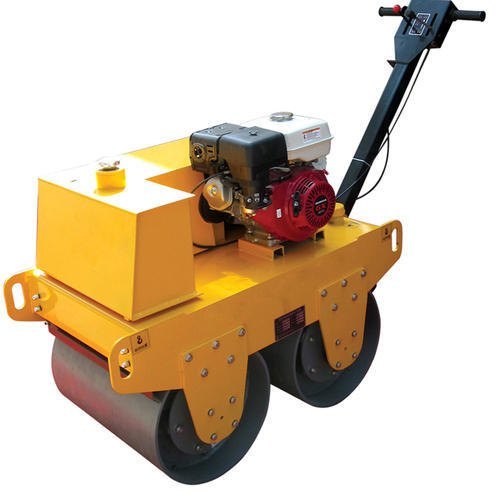
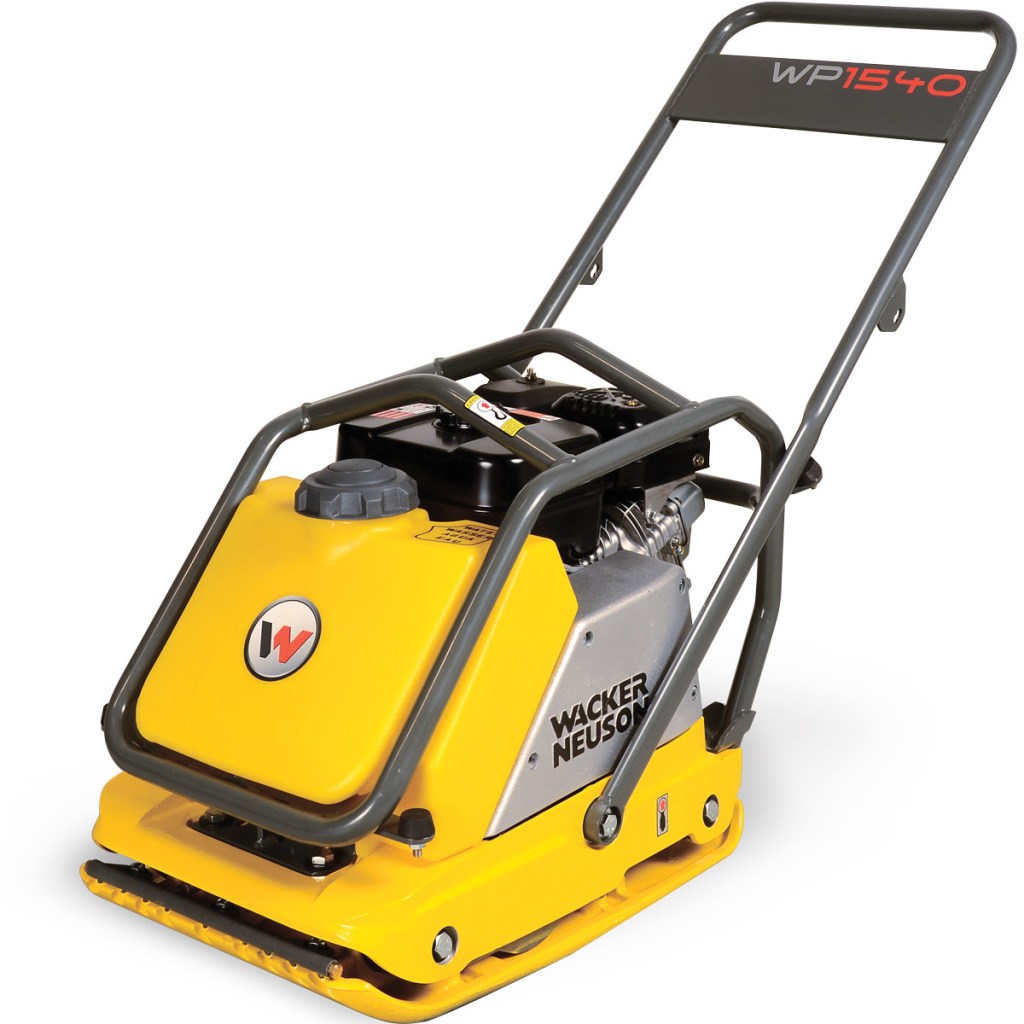
Plate Compactor Machine
Use: To compact the ground (Vibratory Compaction).
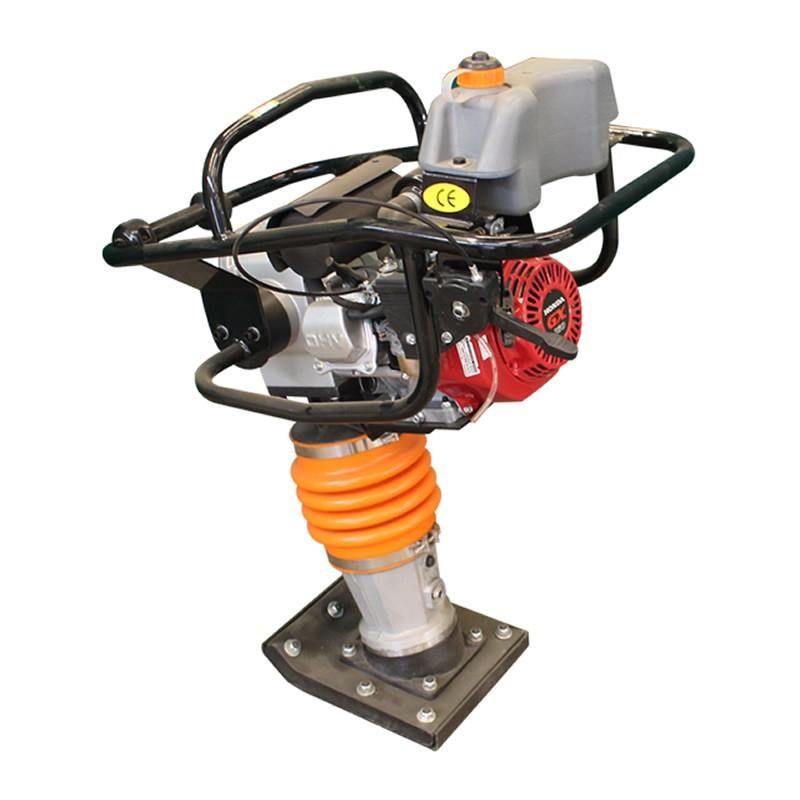
Tamping Rammer Machine
Use: To compact the different types of ground (Vibratory Compaction).
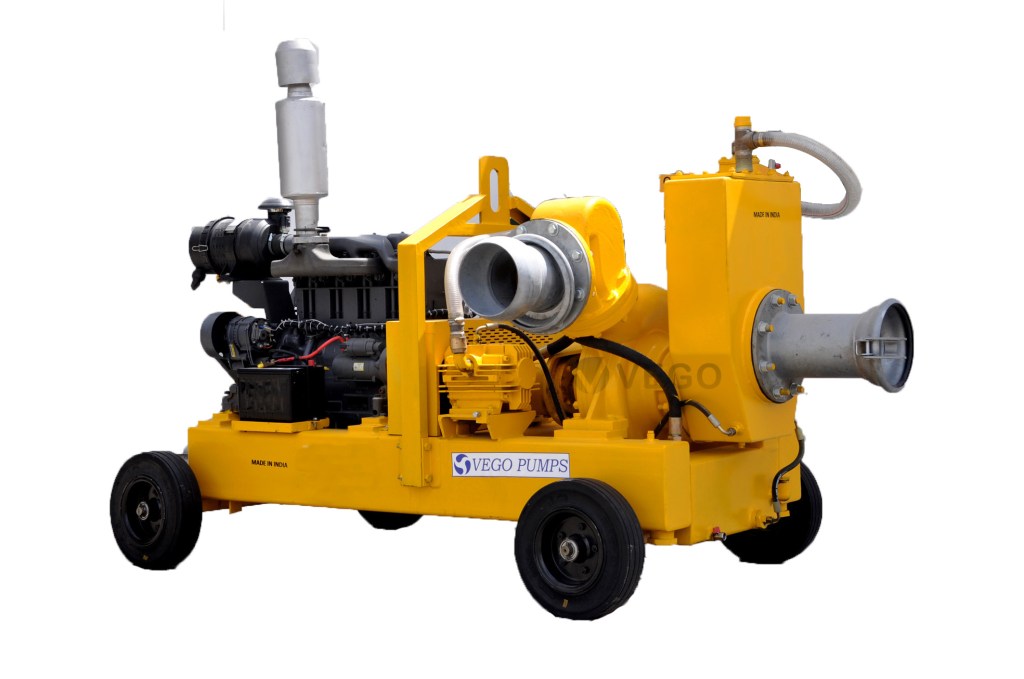
Dewatering Pump
Use: To remove the ground water or to lower downs the water table.
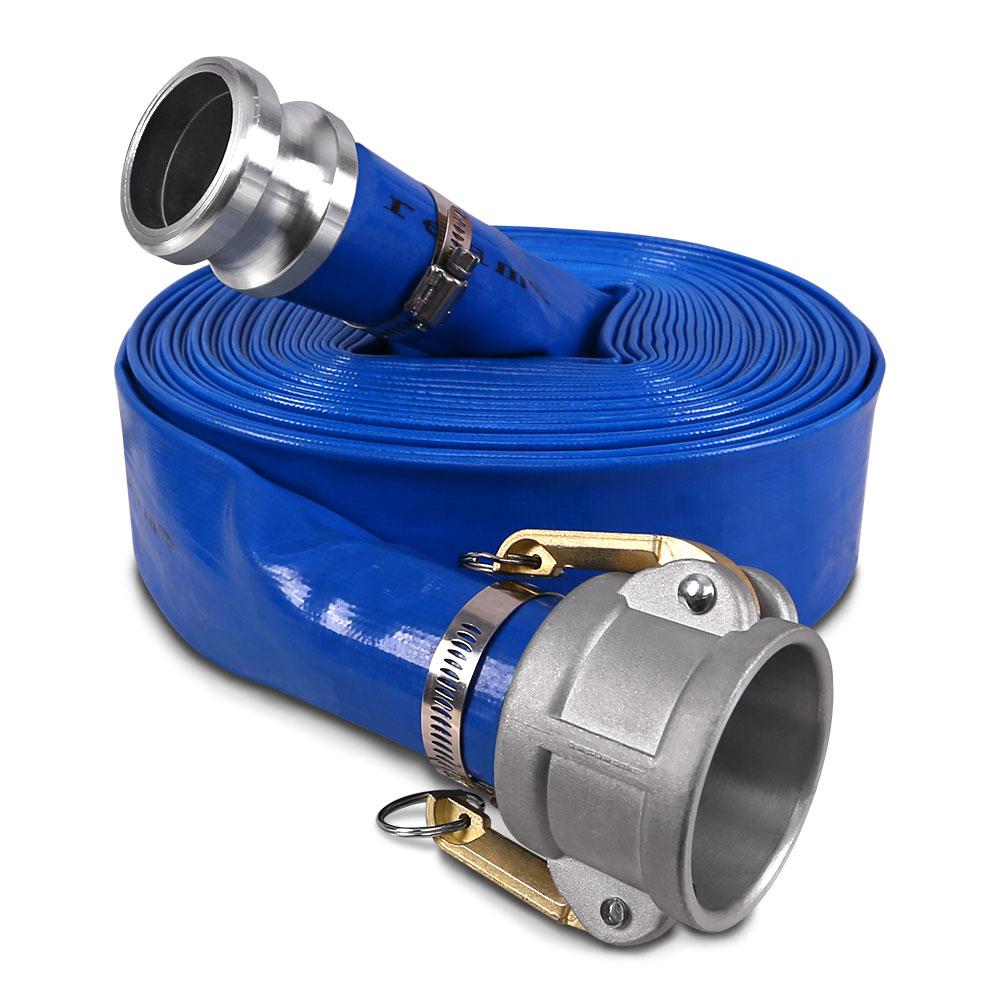
Lay Flat Hose
Use: To discharge the water from construction site to the designated discharge point.
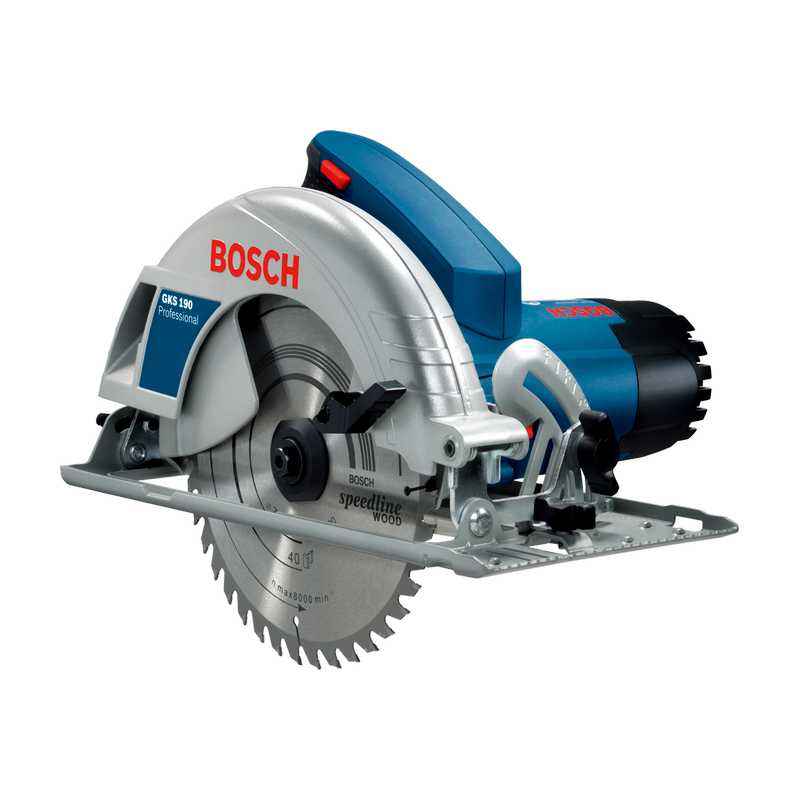
Circular Saw Machine
Use: To cut through woods and other materials.
Jig Saw Machine
Use: For cutting shapes and curves in wood.
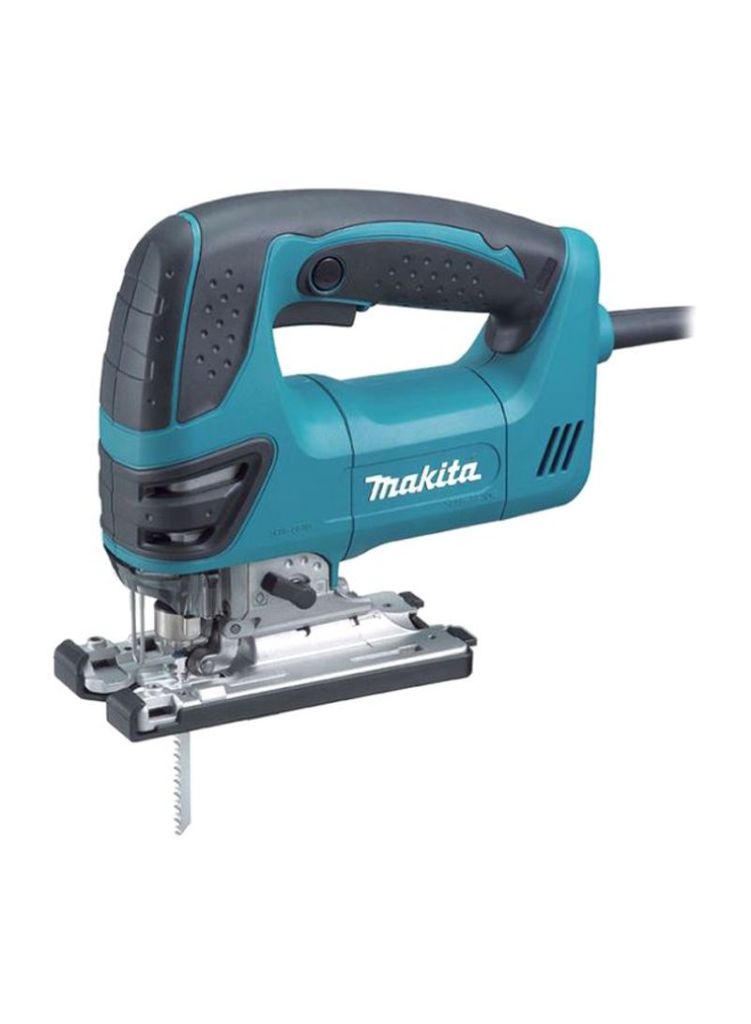
Drill Machine
Use: Drills are hand-held tools with rotating drill bits used to fabricate holes in multiple materials. They are widely used in construction, carpentry, metalworking, assembly, and maintenance. Most drills used today are powered, and use a chuck to grip the bits of the drills.
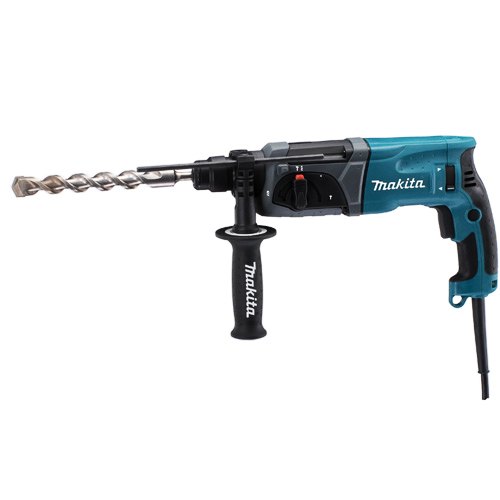
Grinder Machine
Use: A grinding machine is a machine tool used for producing very fine finishes or making very light cuts, using an abrasive wheel as the cutting device. This wheel can be made up of various sizes and types of stones, diamonds or of inorganic materials.
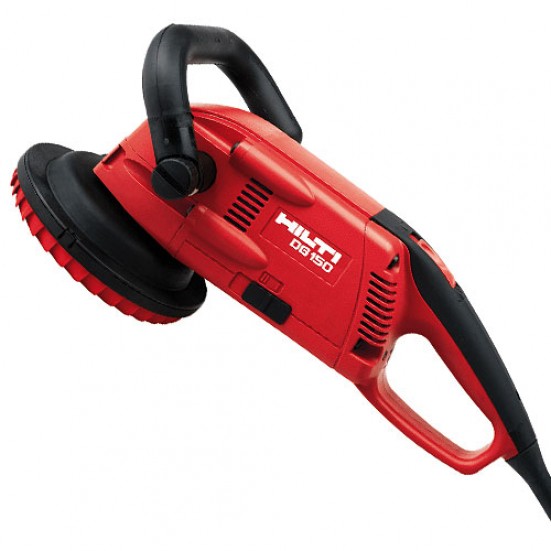
Bar Bending Machine
Use: For bending the rebar (reinforcement) to make the required shape.
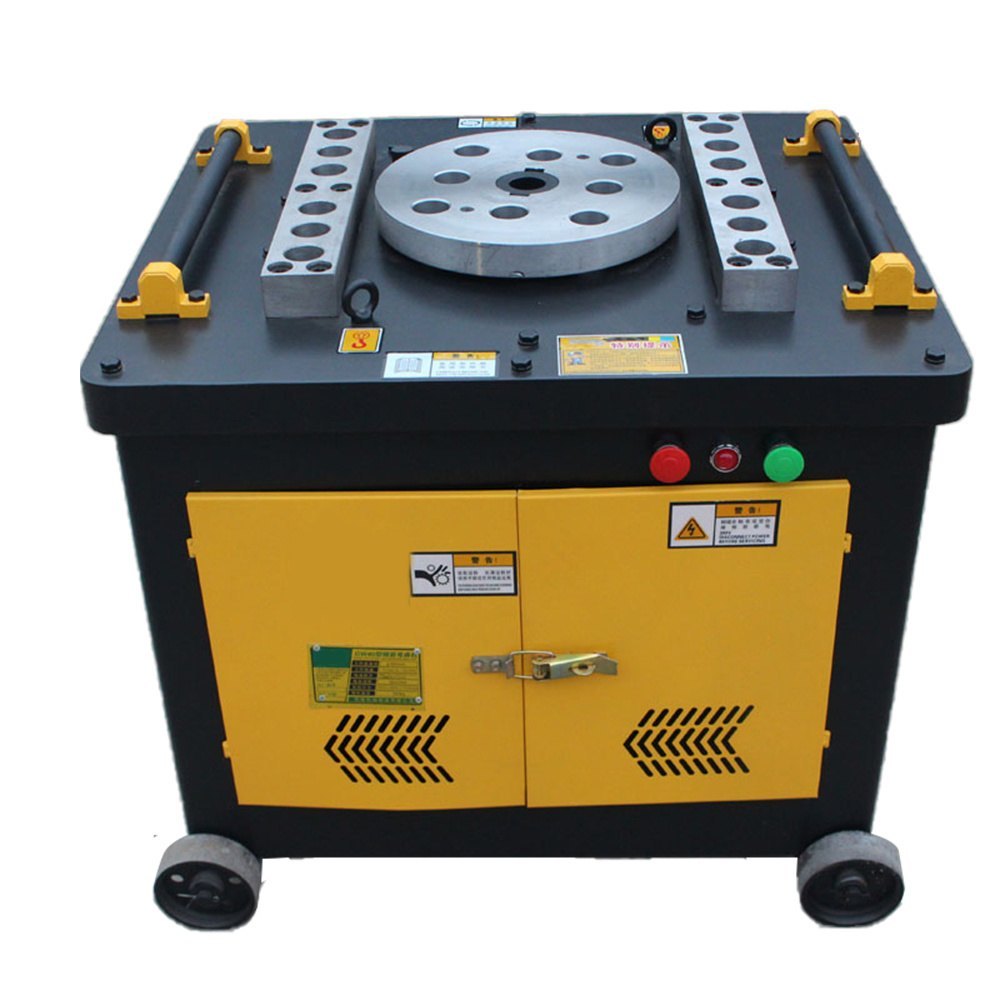
Portable Bar Bending Machine
Use: For bending the rebar (reinforcement) to make the required shape.
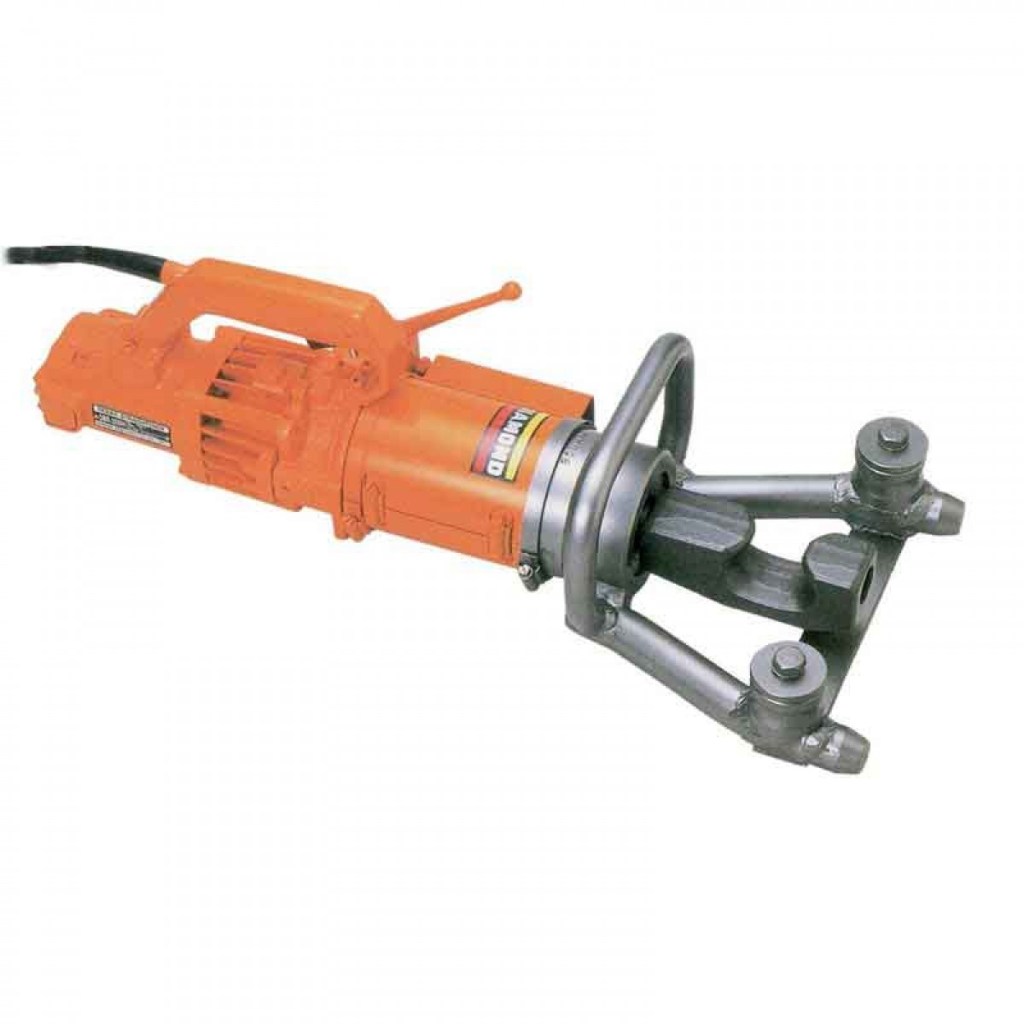
Hydraulic Rebar Cutting Machine
Use: The hydraulic rebar cutter is designed to cut reinforced steel and braided cables in various lengths.
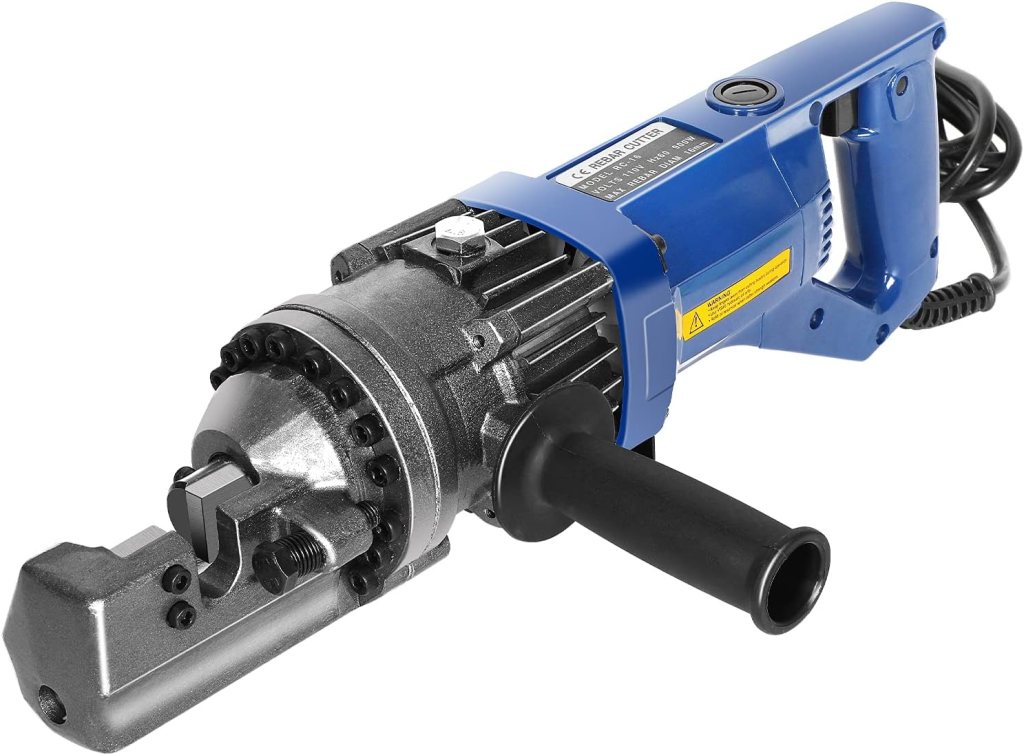
Core Cutting Machine
Use: To cut or drill cores of various diameters of concrete or pavement. Generally to pass pipes/conduits or to test the material by NDT (Non Destructive Test) Method.
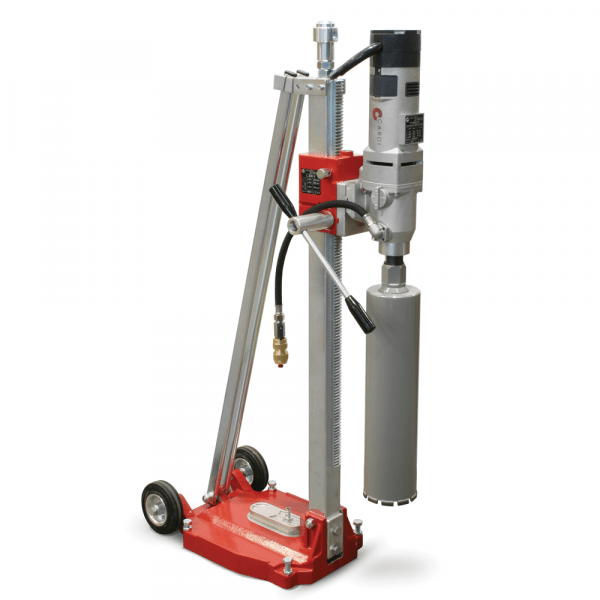
Jack Hammer Machine
Use: To break or to demolish the concrete or other hard surface.
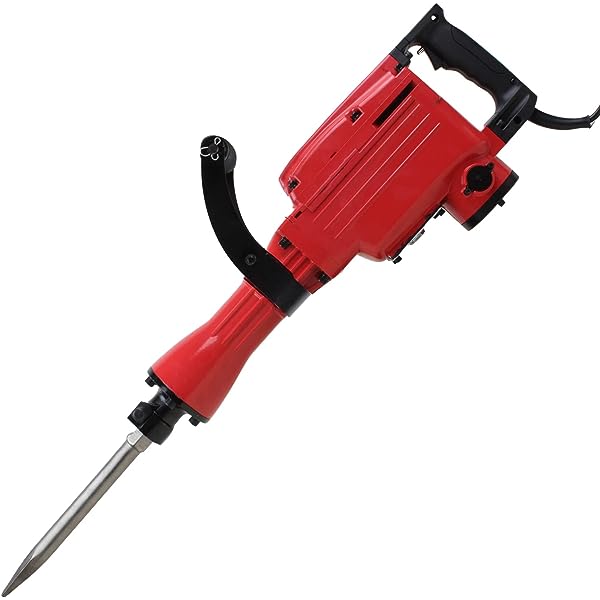
Vibratory Table
Use: To aid the compaction of materials in containers, boxes and bulk bags.

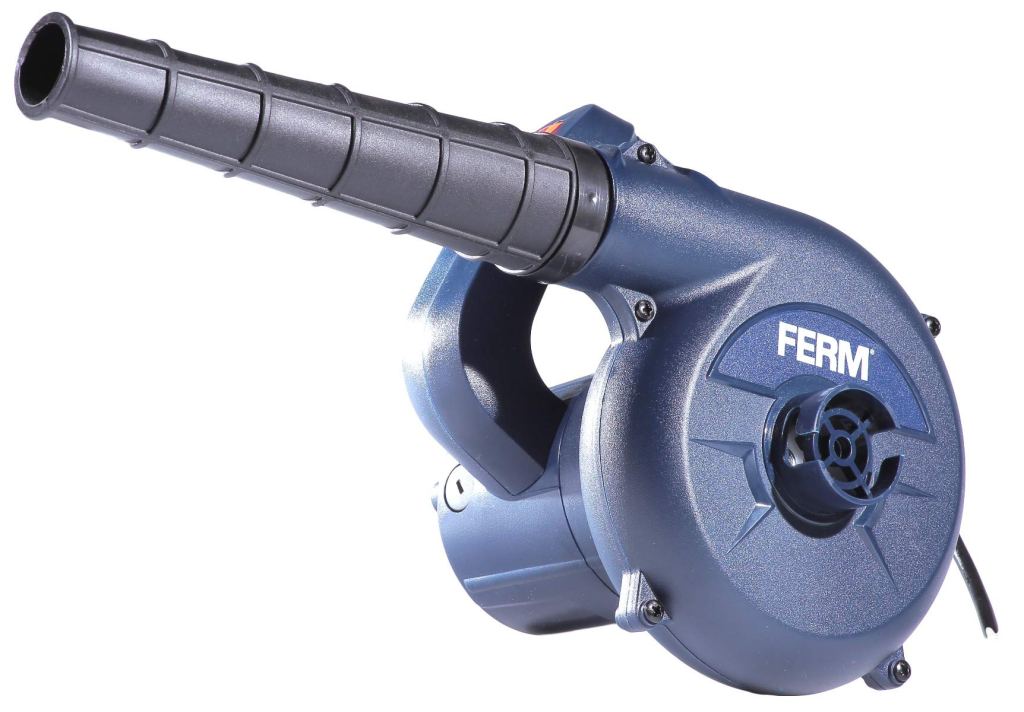
Vacuum Blower
Use: To remove dust, dirt, contaminants and particulate matter from surface.
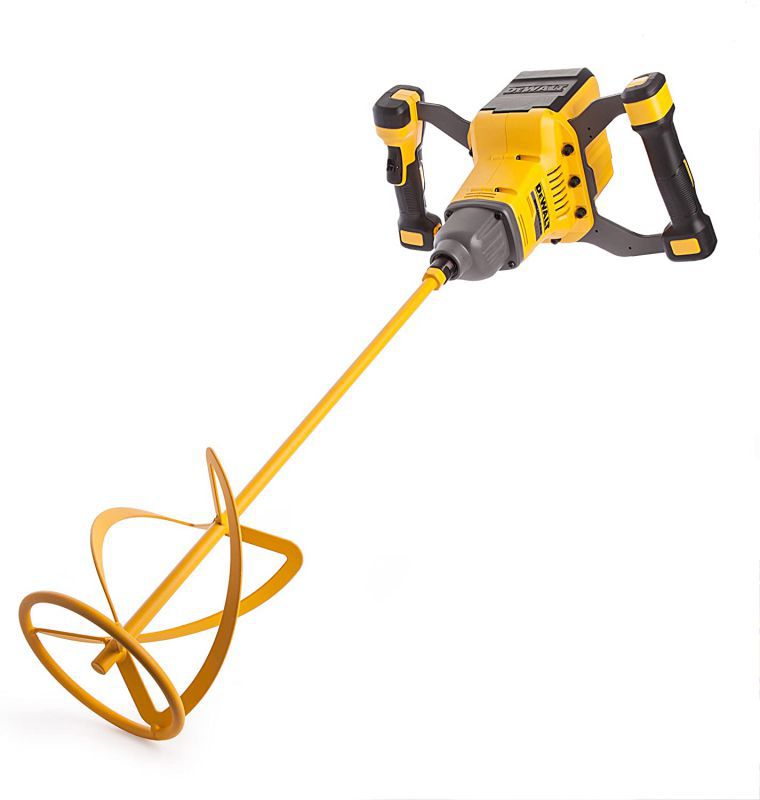
Paddle Mixer
Use: For quick and convenient mixing of paint, plaster and grout material.
Pneumatic Single-head Scabbling Hammer
Use: For Scabbling concrete to expose aggregate. For Texturing, roughing and reducing concrete.
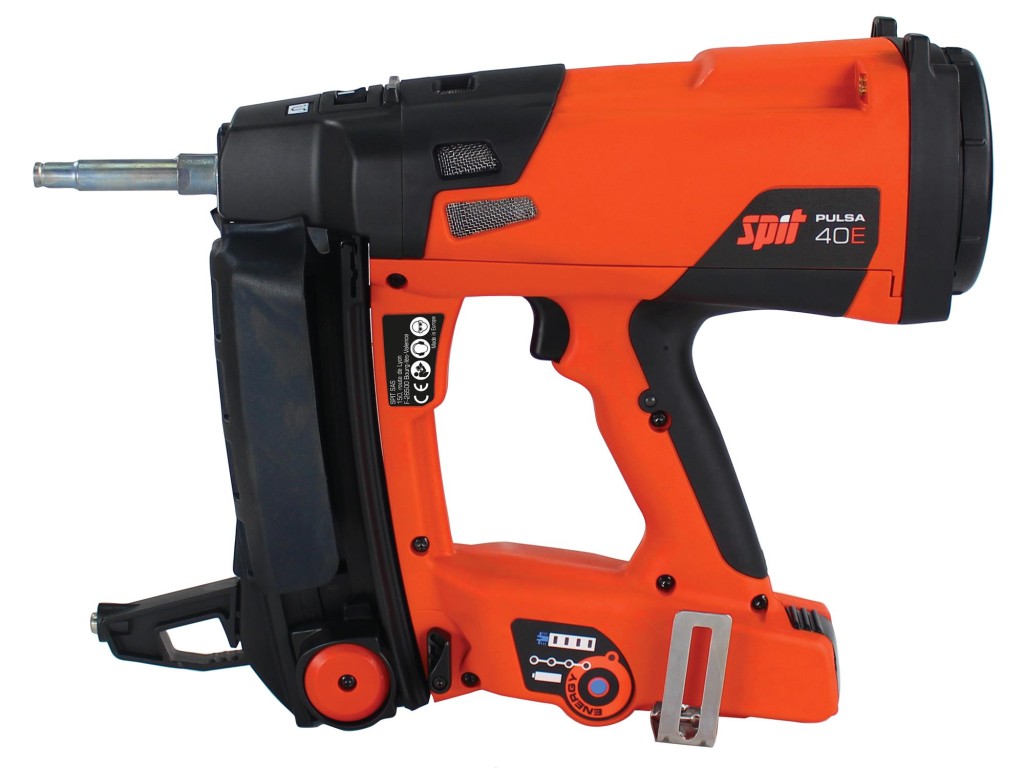
Nailer or Nail Gun
Use: To do nailing work for framing, roofing and flooring.
Multi Strand Stressing Jack
Use: To transfer force to Post Tensioning Tendon (group of Strands for Pre-stressed Concrete Structure.
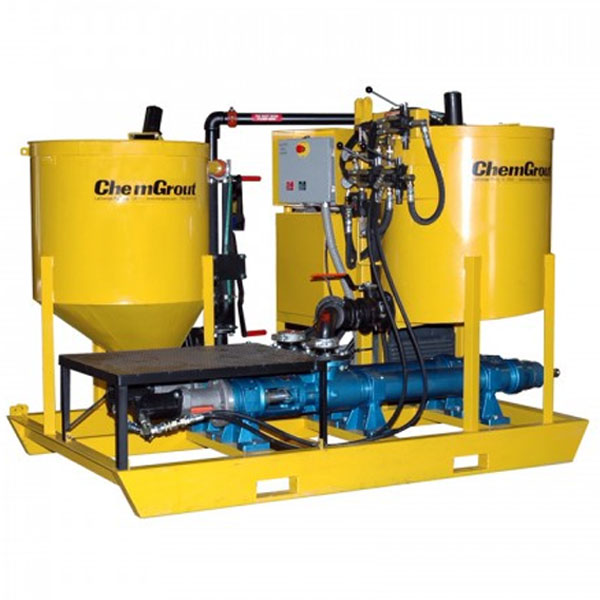
Grouting Mixture Machine
Use: To mix the grout and to pump the grout at required level of flow rate or pressure.
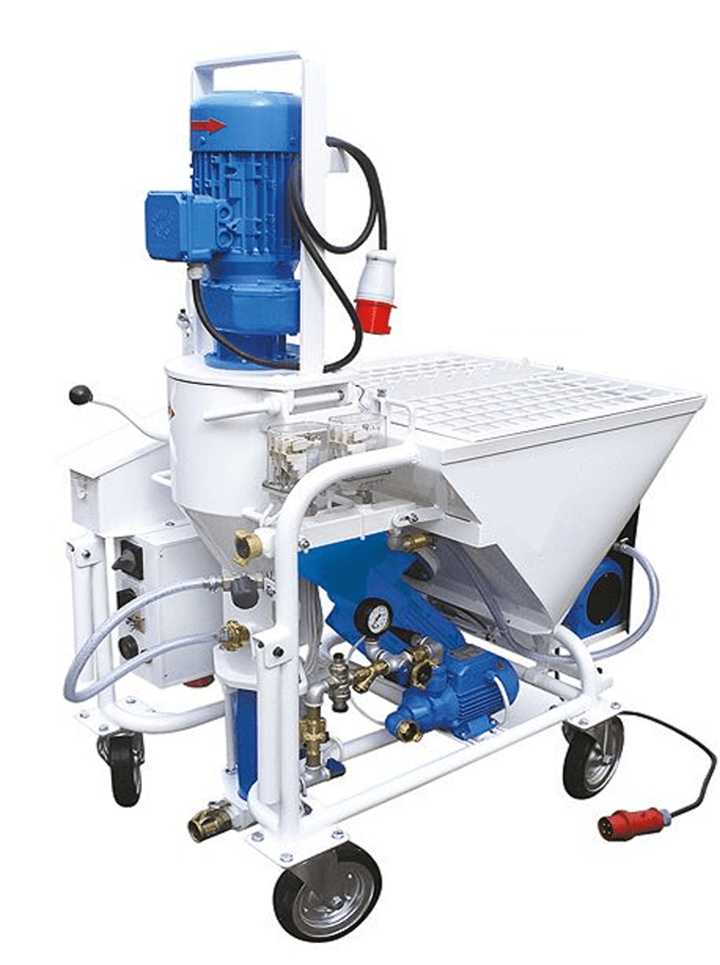
Plastering Pump
Use: For perfect mixing and spraying of dry plaster mixes.
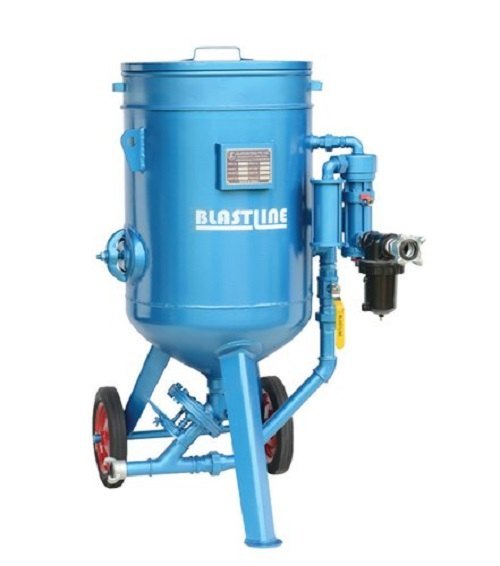
Sand Blasting Machine
Use: To strip off old paint, rust and grease; roughen up or smooth out a surface; remove corrosion; clean tools; and enhance aesthetic value.
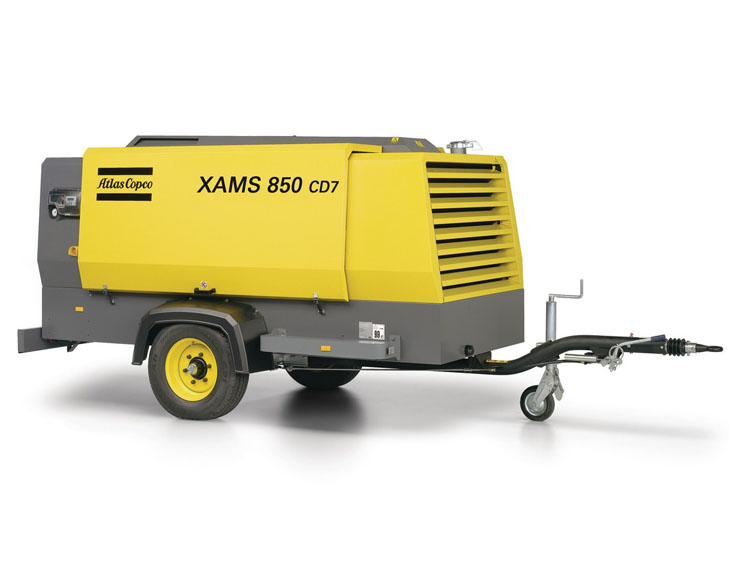
Air Compressor Machine
Use: To generate compressed air which is to be used in power tools like power hammer, drilling machine, nail gun and other pneumatic tools.
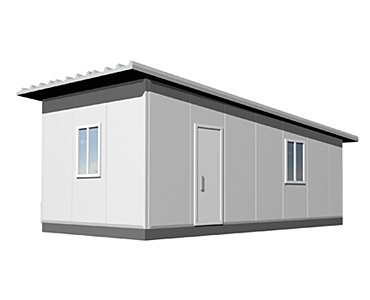
Portable Cabin
Use: To facilitate the site office for construction site.
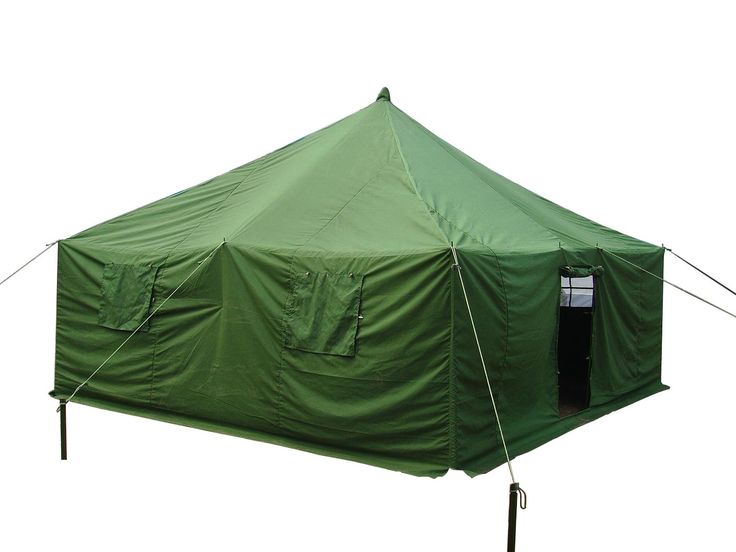
Tent
Use: To facilitate the rest area for worker/labour at construction site.
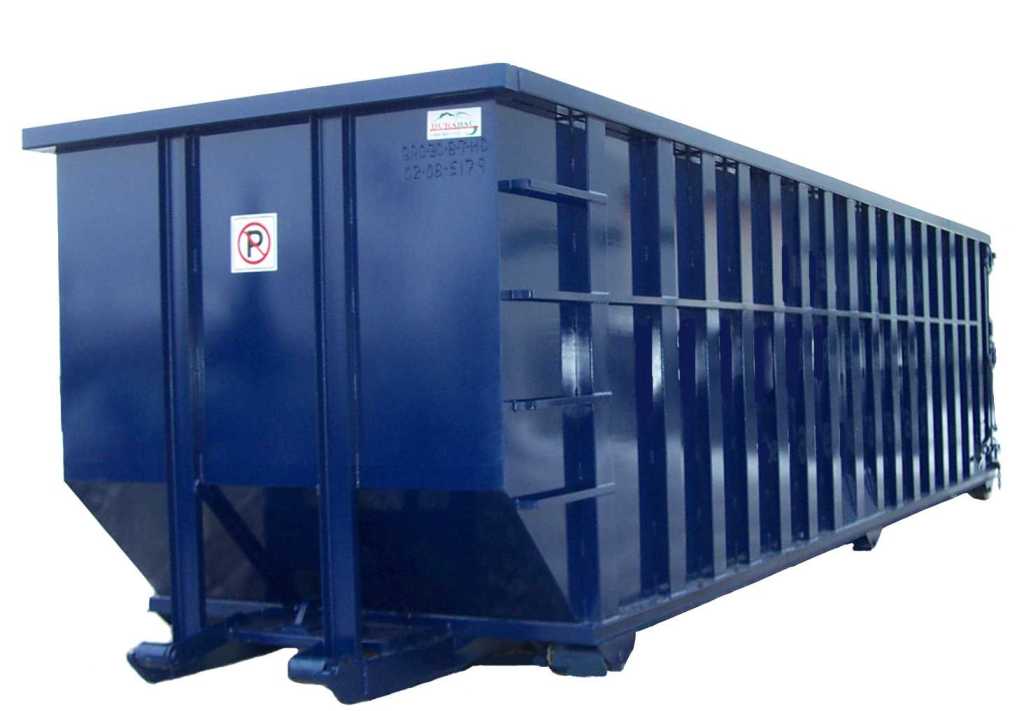
Waste Bin
Use: Construction waste bins and skips are designed to hold materials generated during construction, demolition, and renovation projects.
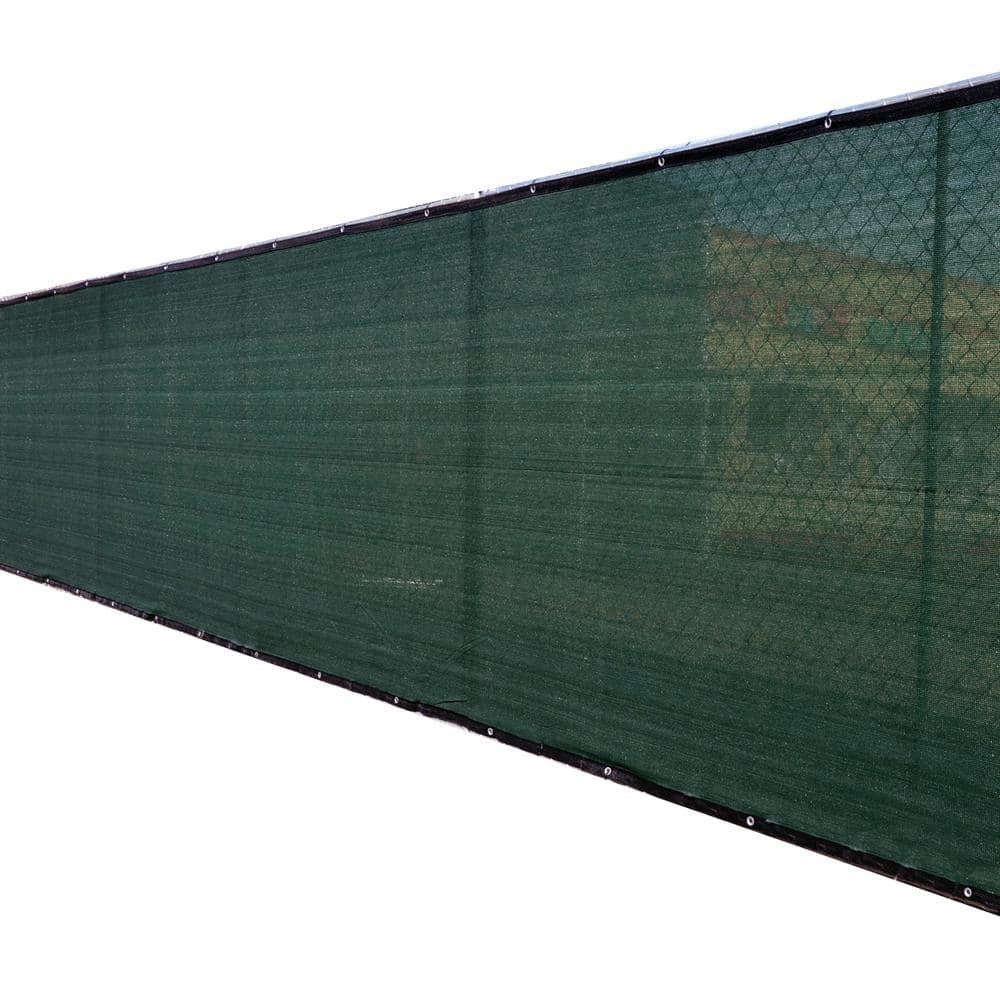
Green Net Fence
Use: To barricade the construction site working area and to separate it from public.
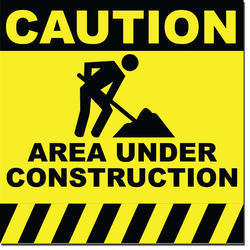
Sign Board
Use: The construction site safety signs act as simple reminders of essential precautions to take, of dangers that can be expected, of obligations and prohibitions.
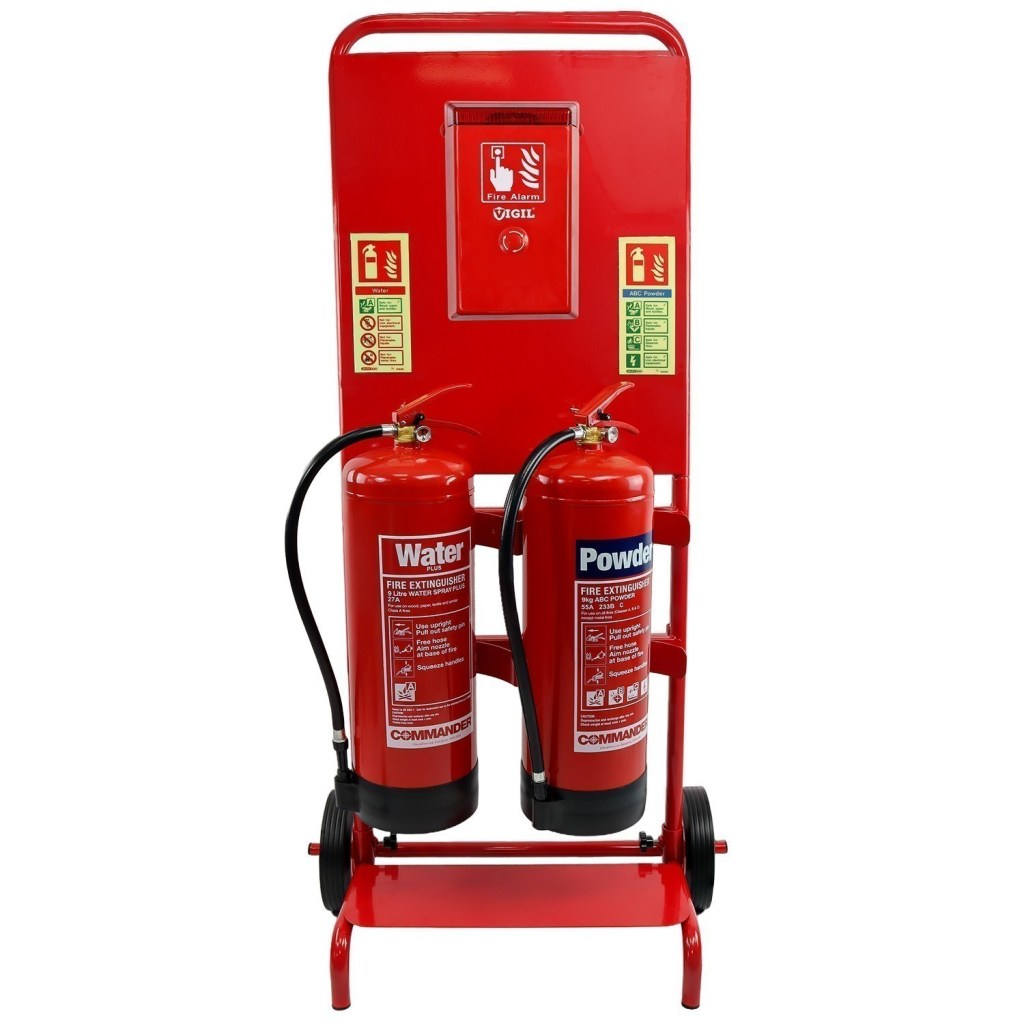
Fire Extinguisher
Use: Fire extinguishers allow trained individuals to safely tackle fires at an early stage before they develop beyond control. By being in the right place and ready for use, fire extinguishers save the construction industry a lot of money and the lives of workers every year.
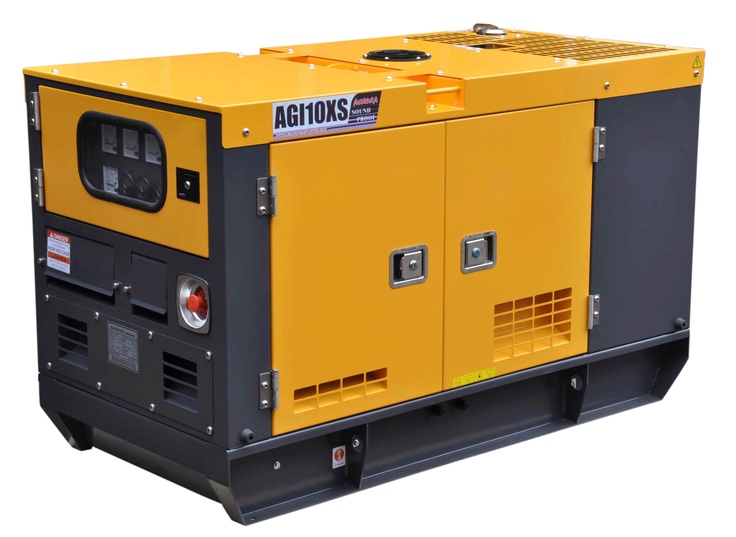
Diesel Generator
Use: To generate and supply power to the construction site.
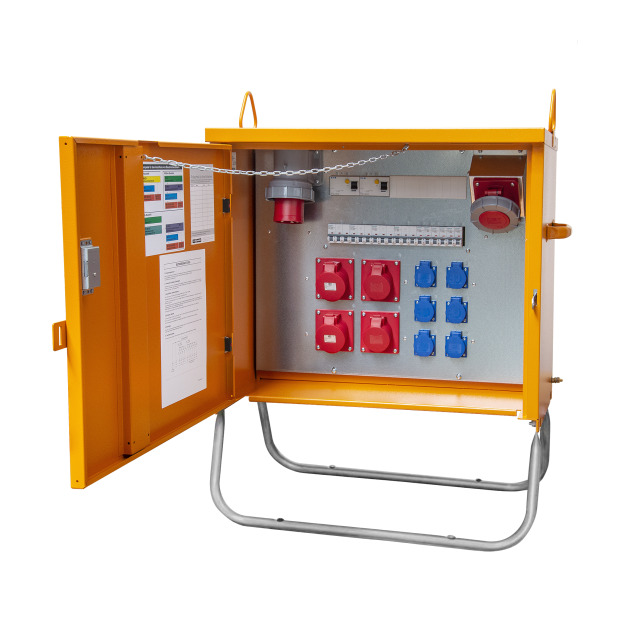
Electrical Distribution Board (DB)
Use: To distribute the main power supply to the different locations in construction site.
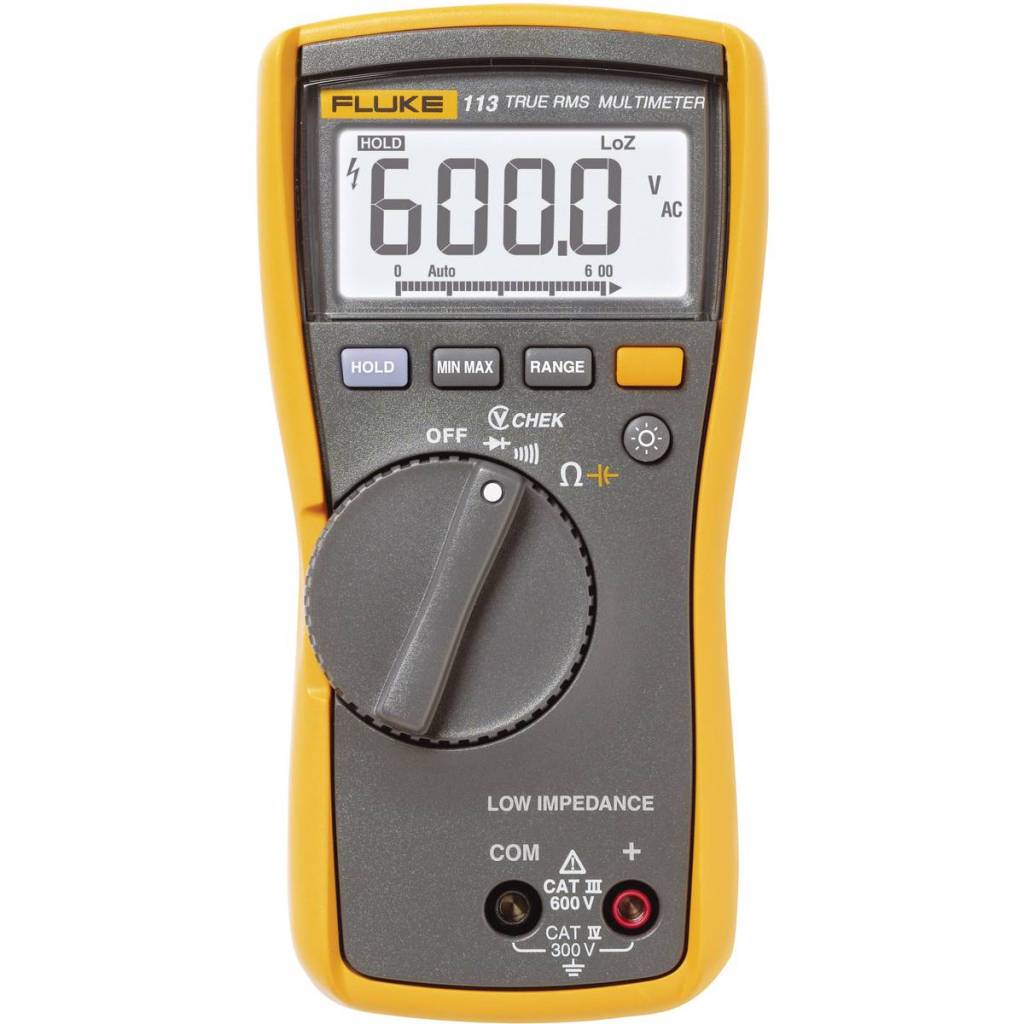
Digital Multimeter
Use: A digital multimeter is a test tool used to measure two or more electrical values—principally voltage (volts), current (amps) and resistance (ohms). It is a standard diagnostic tool for electrical technicians in the construction industries.
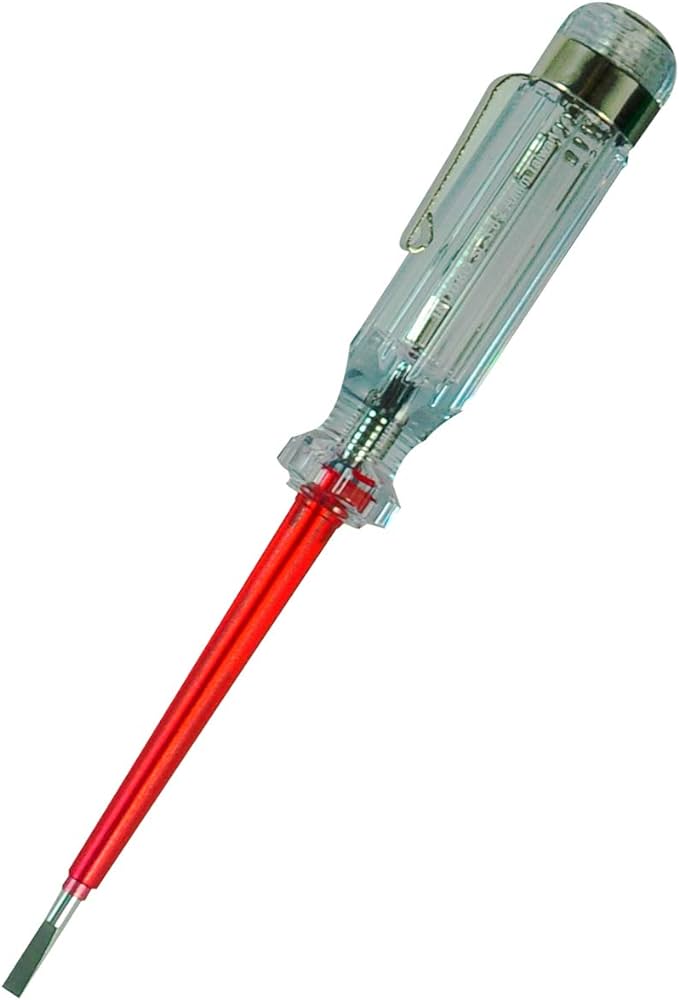
Voltage Tester
Use: A voltage tester is a tool used to detect the presence of voltage in an electrical circuit, wire, or device. It can be used to identify potentially dangerous electrical conditions and to troubleshoot electrical problems.
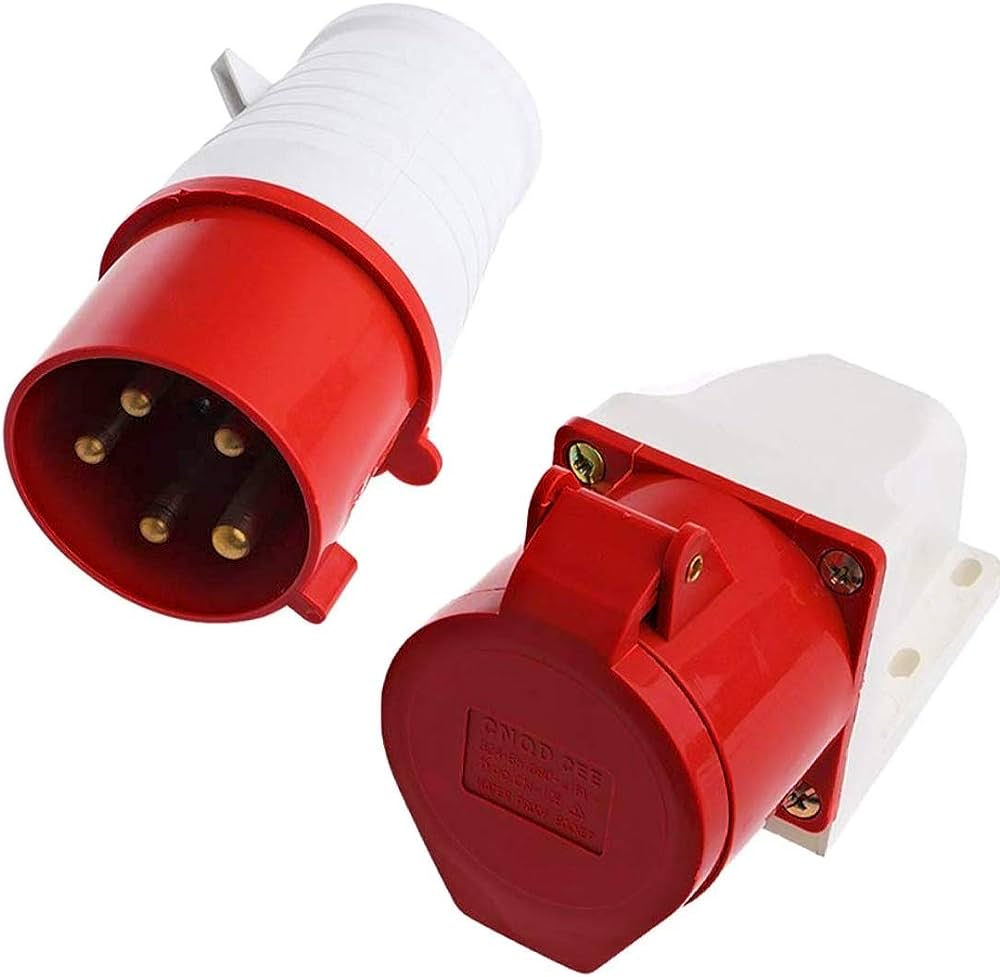
5 Pin Male/Female Plug & Socket
Use: To allow the electrical equipment to connect to the electrical grid in construction site.
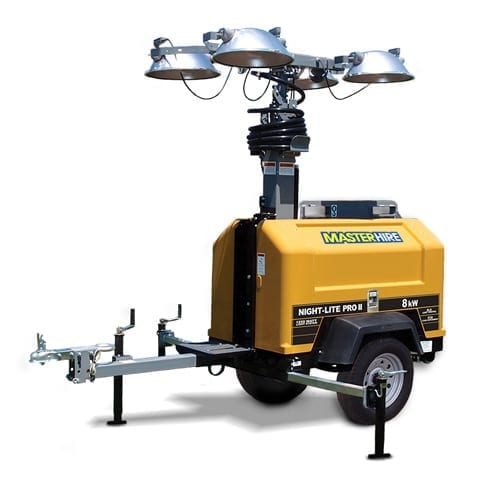
Tower Light
Use: To illuminate the large area at night in construction site.
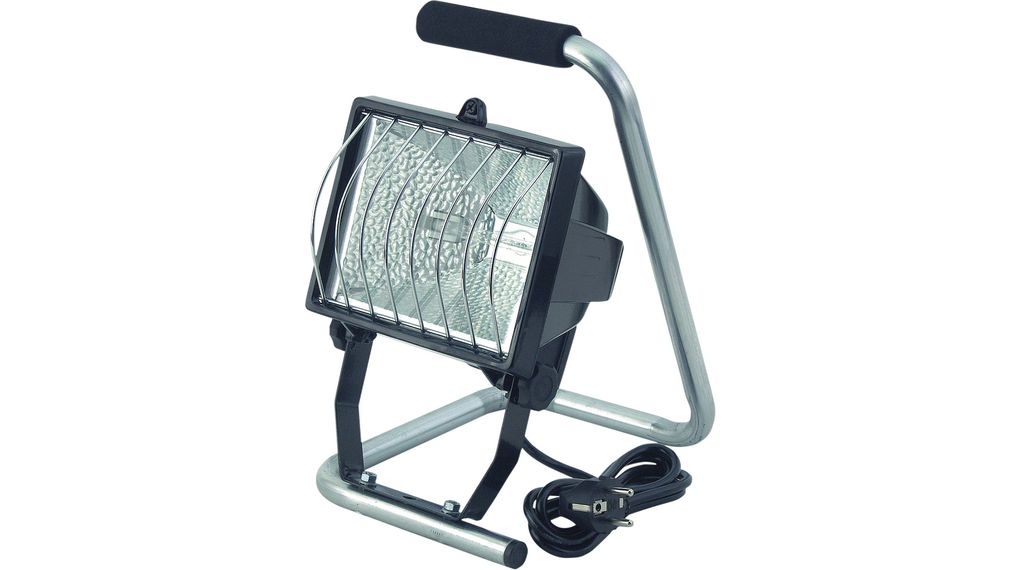
Halogen Flood Light
Use: To illuminate the large area at night in construction site.
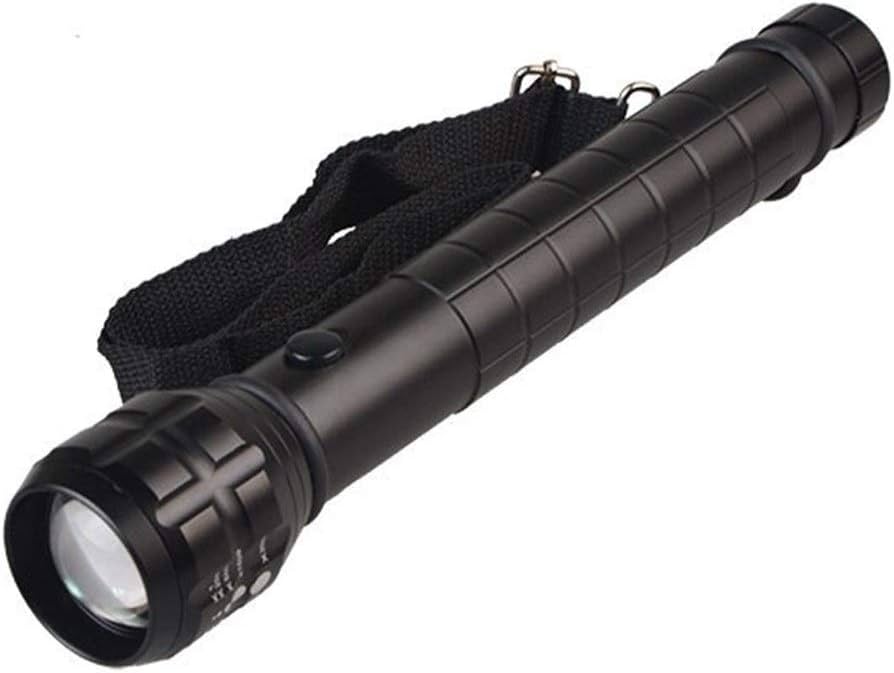
Rechargeable LED Flashlight
Use: To illuminate the target area at night in construction site.
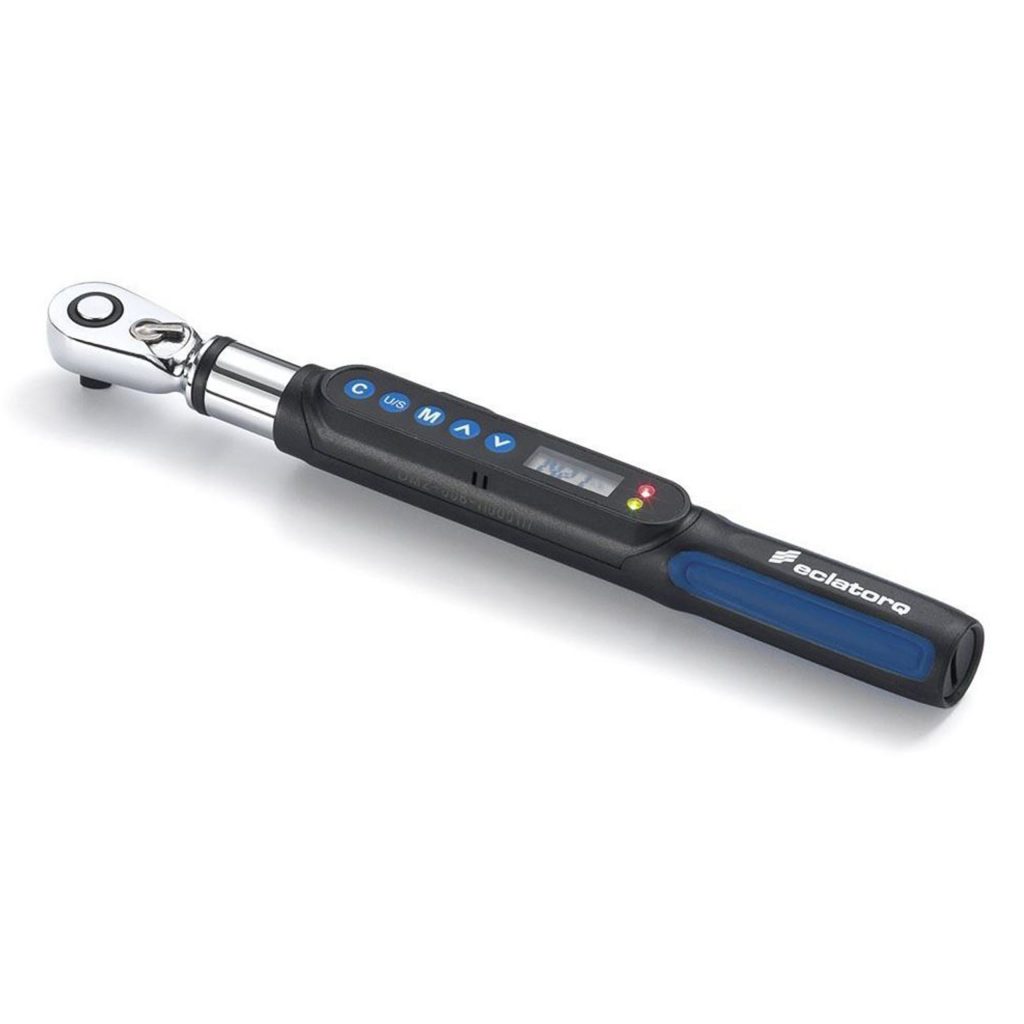
Digital Torque Wrench
Use: To apply desired value of torque or to provide precise controlled tightening of bolts.
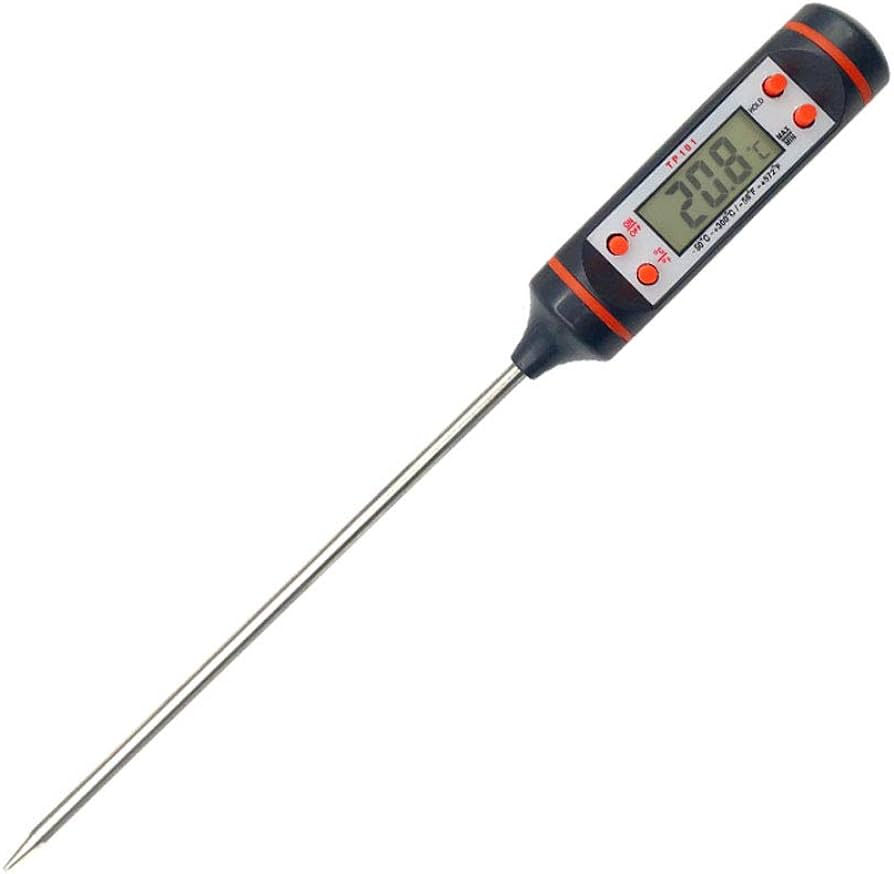
Digital Thermometer
Use: To check the temperature of fresh concrete at construction site.
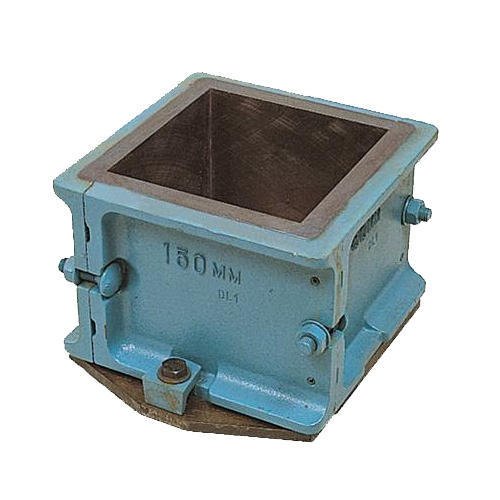
Concrete Cube Mould
Use: Steel Concrete Cube Molds are used to form specimens (150mm x 150mm x 150m) for concrete compressive strength testing.
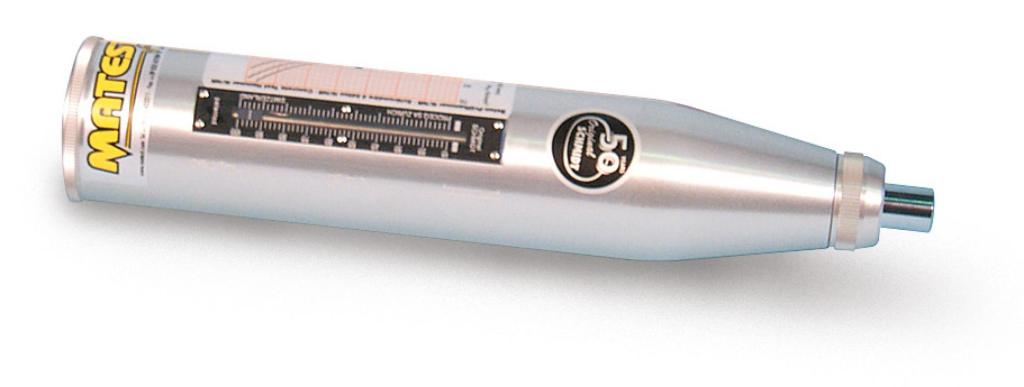
Rebound Test Hammer
Use: The concrete’s compressive strength can be quickly and easily determined with the use of the non-destructive rebound hammer test.
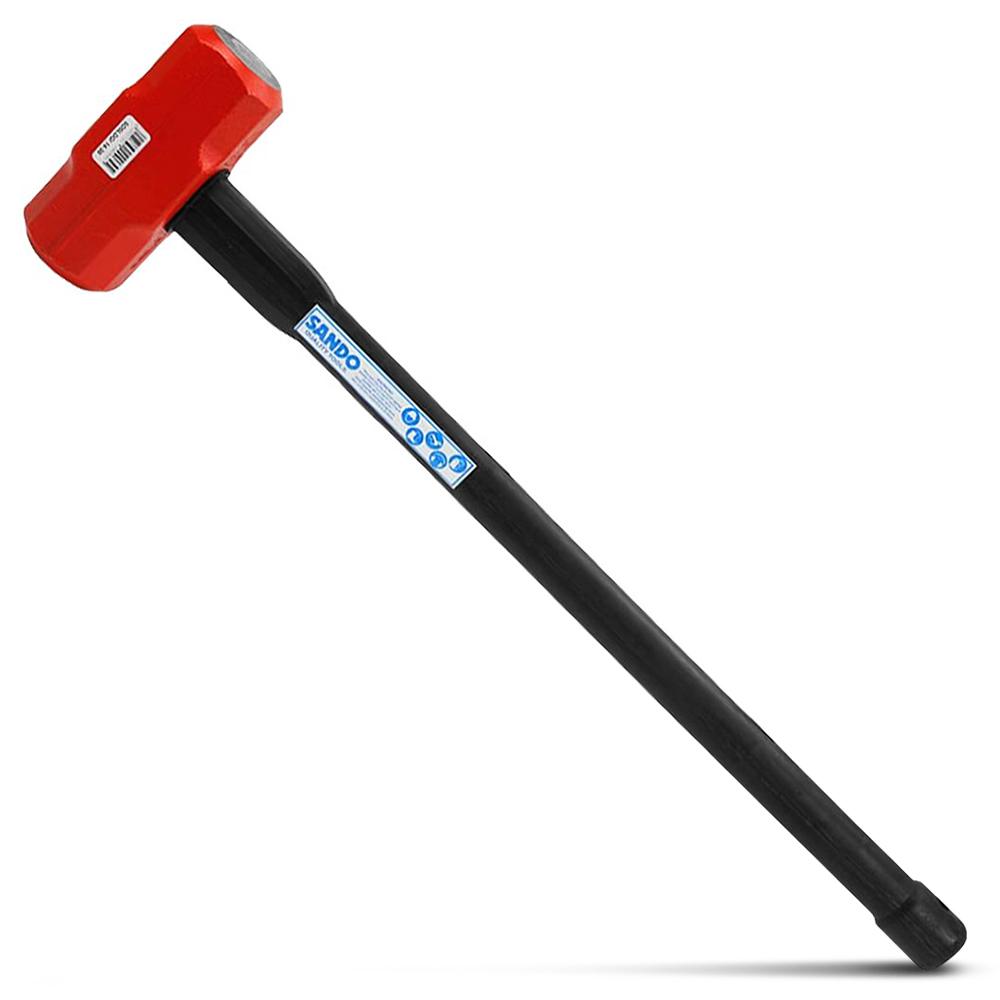
Sledge Hammer
Use: For demolition work like breaking through drywall or masonry walls.
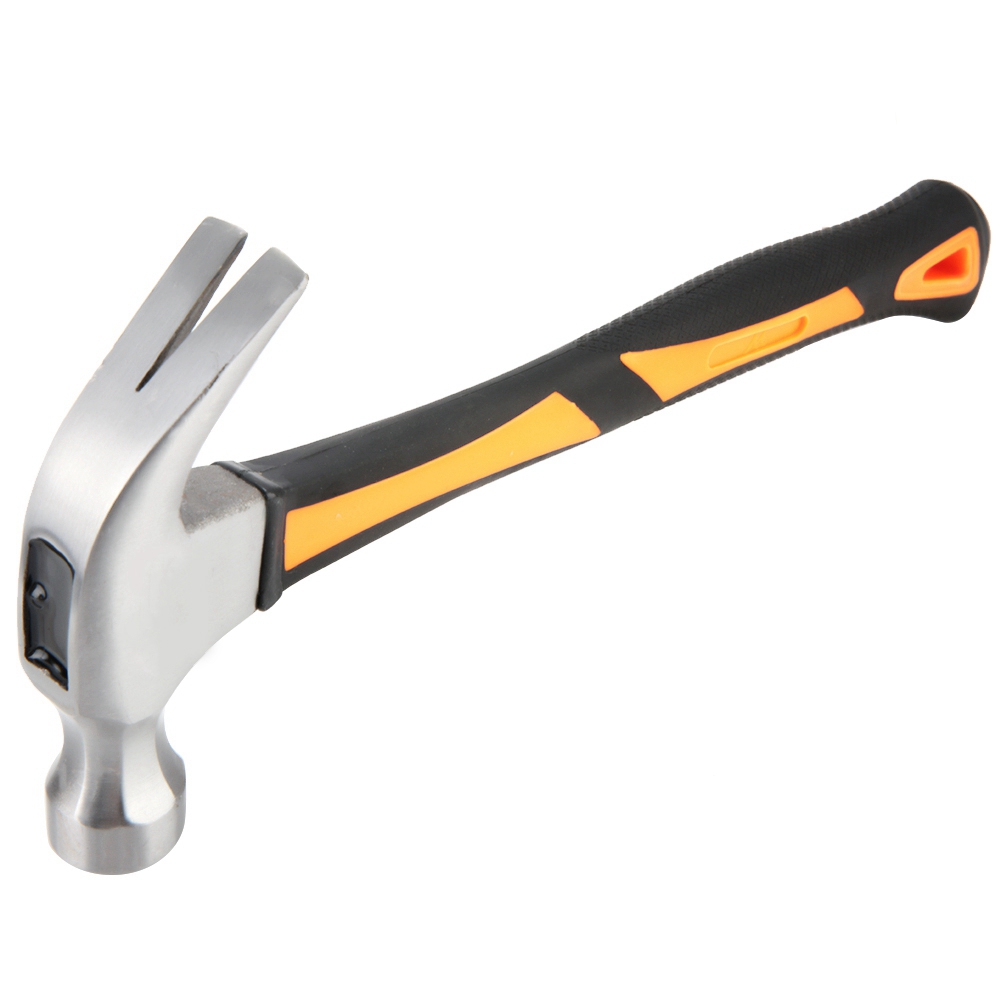
Steel Claw Hammer
Also, Called Carpentry Hammer.
Use: To drive nails in carpentry work or pull them from wood.
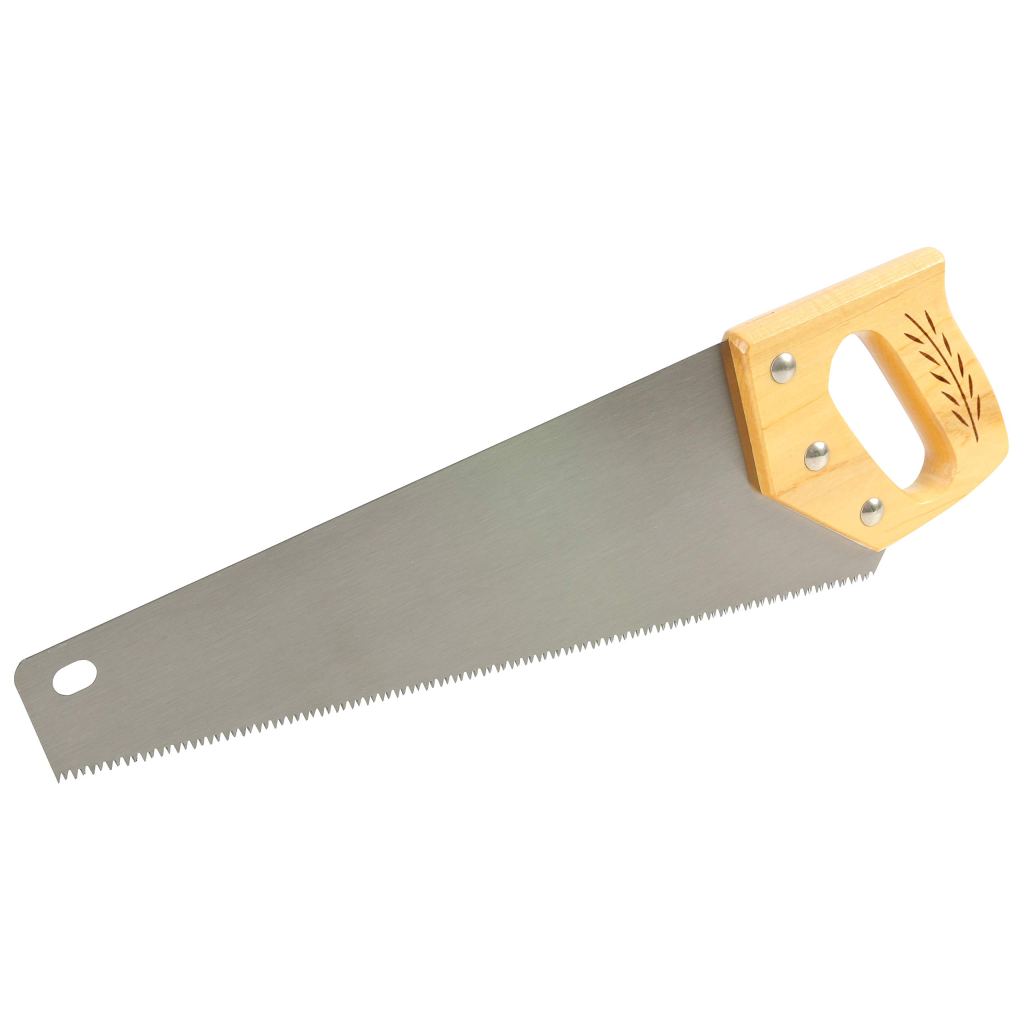
Hand Saw
Use: To Cut the wood in Pieces.
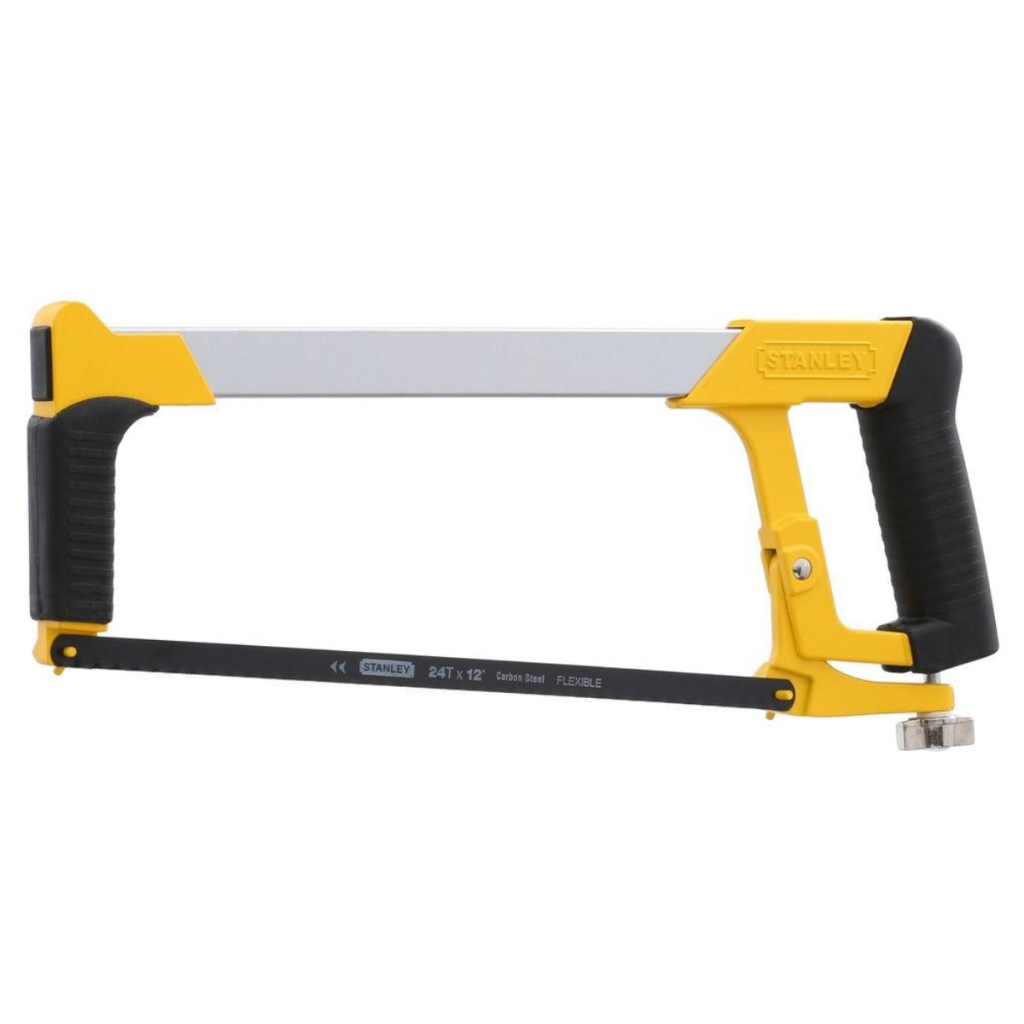
Hand Saw
Use: To Cut the materials such as plastic, steel and other metals.
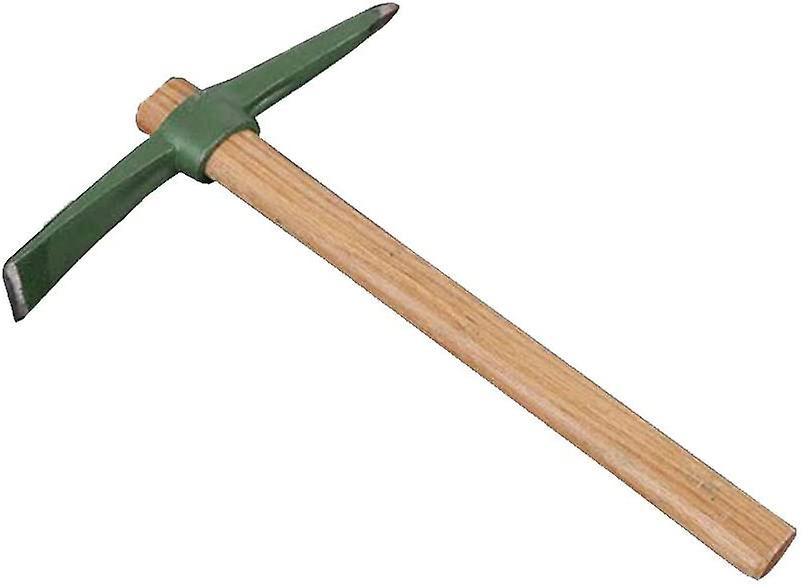
Pick Axe
Also, called Mattocks.
Use: To excavate or to dig the ground.
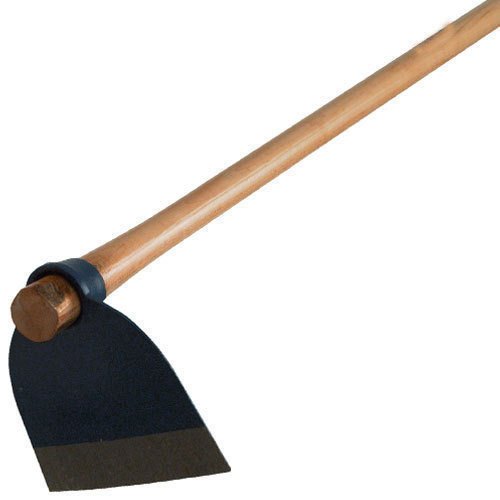
Hoe
Use: To excavate or to dig up the ground.
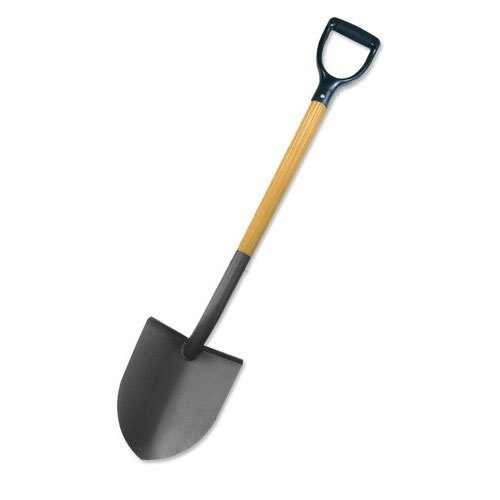
Hand Shovel
Use: To excavate or to dig up the ground and moving loose materials.
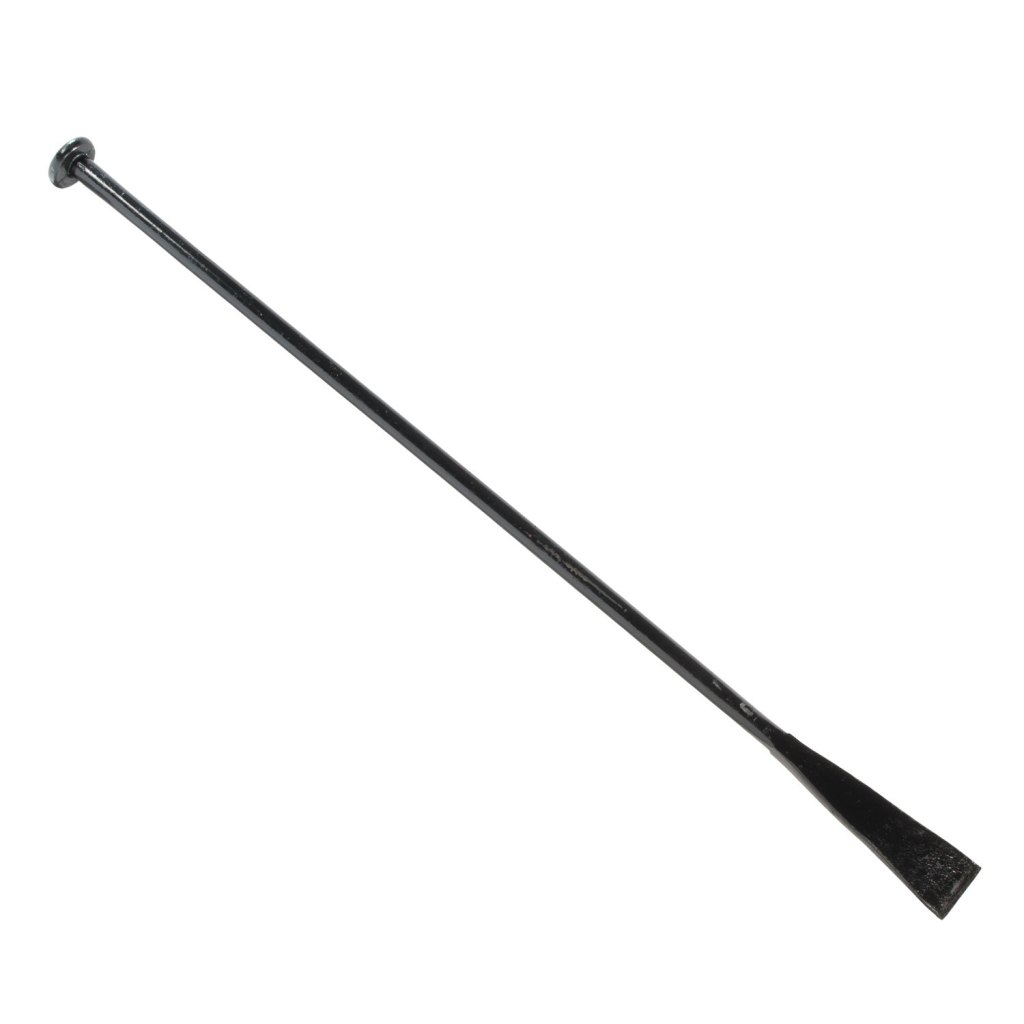
Digging Bar
Use: Common uses of digging bars include breaking up clay, concrete, frozen ground, and other hard materials, moving or breaking up tree roots and obstacles, and making holes in the ground for fence posts.
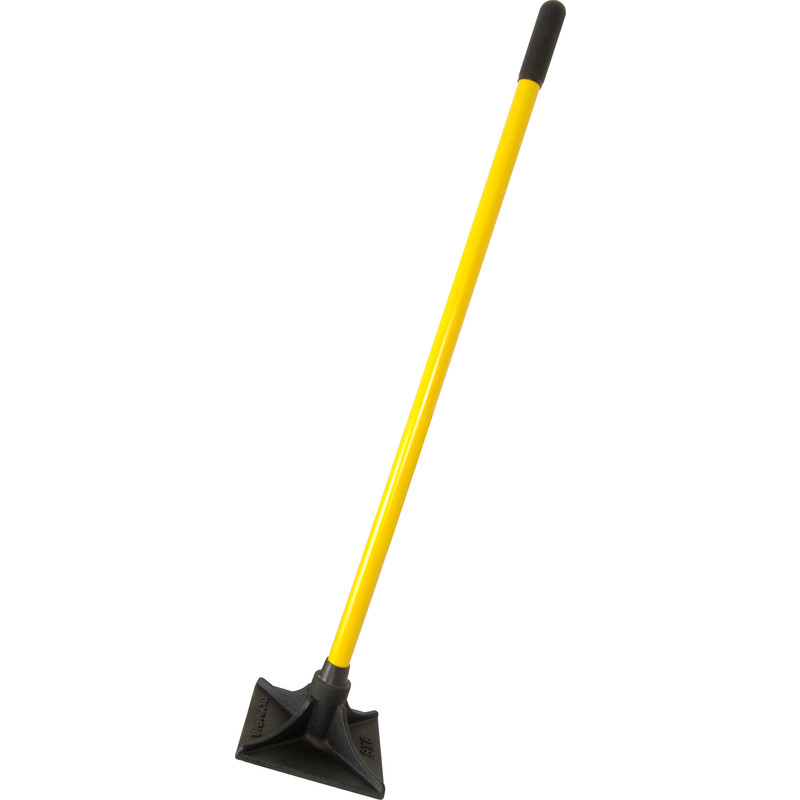
Earth Rammer
Use: To level and compact the surface.
Crow Bar
Use: To remove nails or to pull two objects apart.
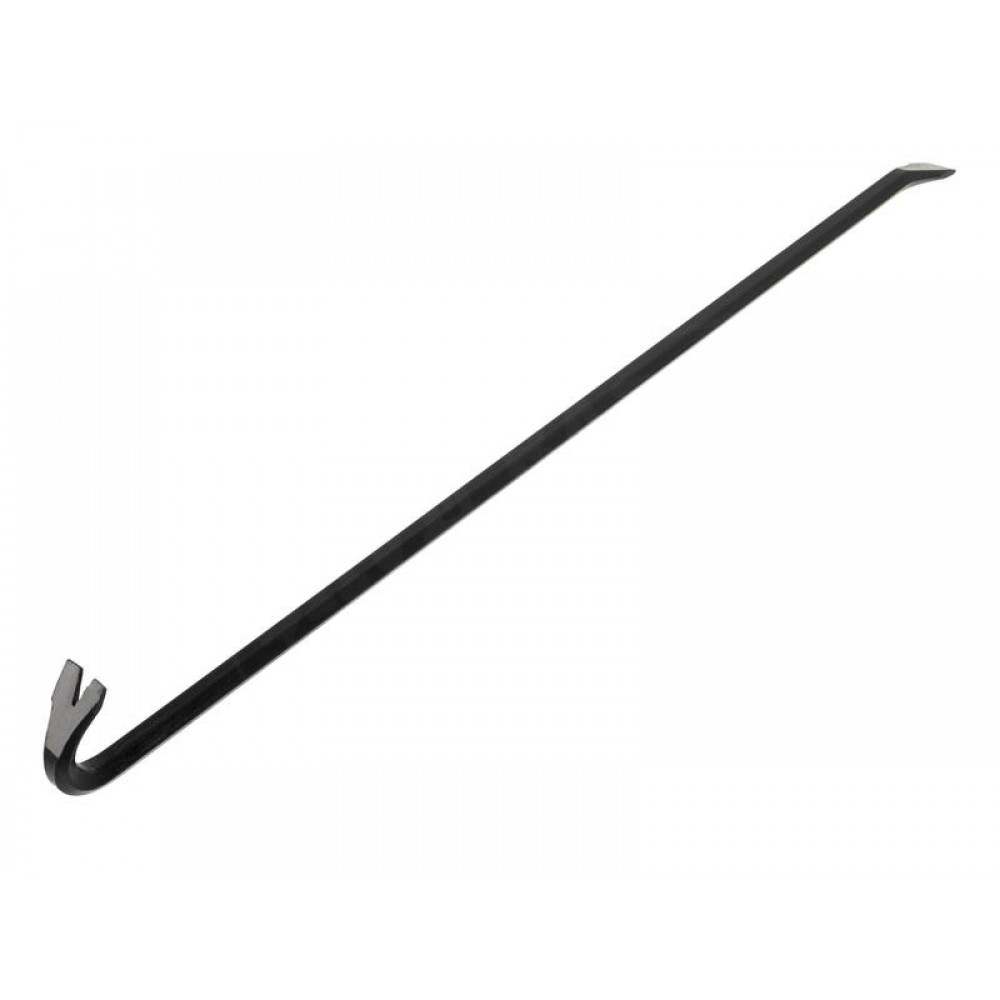
Bolster Chisel
Use: Bolster chisels are used to help break through hard materials by hands such as stone, brick, and metal. Bolster chisel have a handle and a strong beveled edge blade that will cut through material with the help of a hammer or mallet.

Cold Chisel
Use: A cold chisel tool has a sharp edge for cutting and shearing hard materials such as metal and masonry. The descriptor cold means that metal is not preheated before using the tool. A cold chisel is ideal for cutting through thick metal stock when a hacksaw is unsuitable.
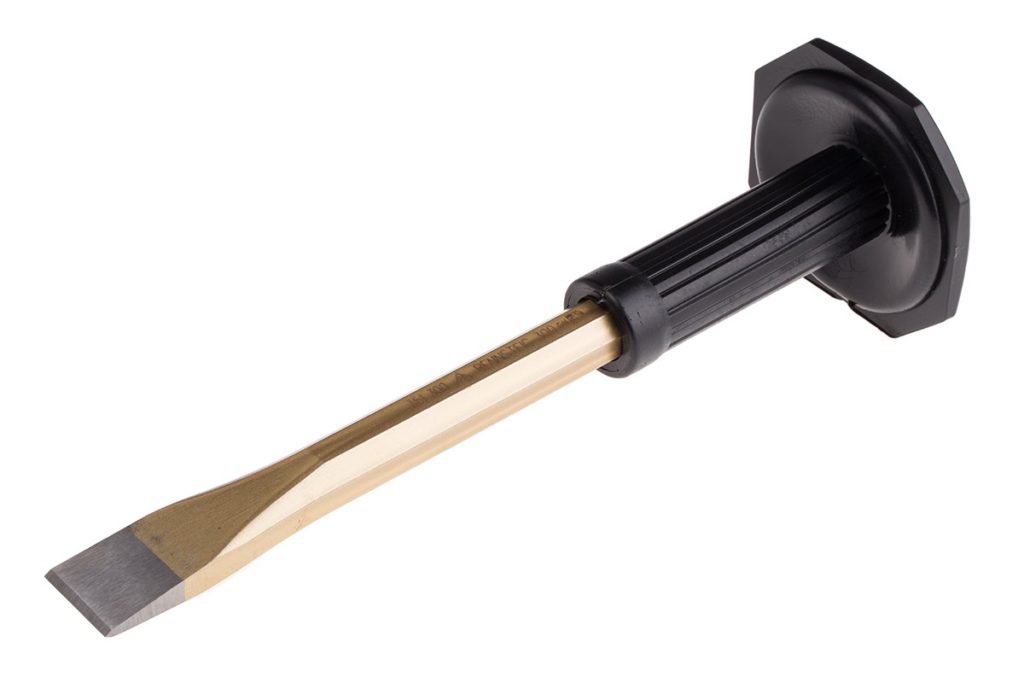
Hicky Bar
Use: To bend the rebar in required angle where large amount of force is not required i.e. for smaller diameter of rebar.
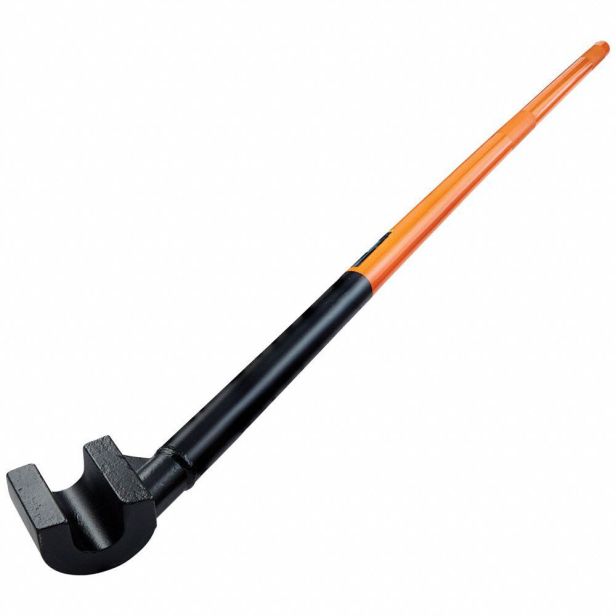
Wheel Barrow
Use: To transport or shift stock of materials or to carry small load.
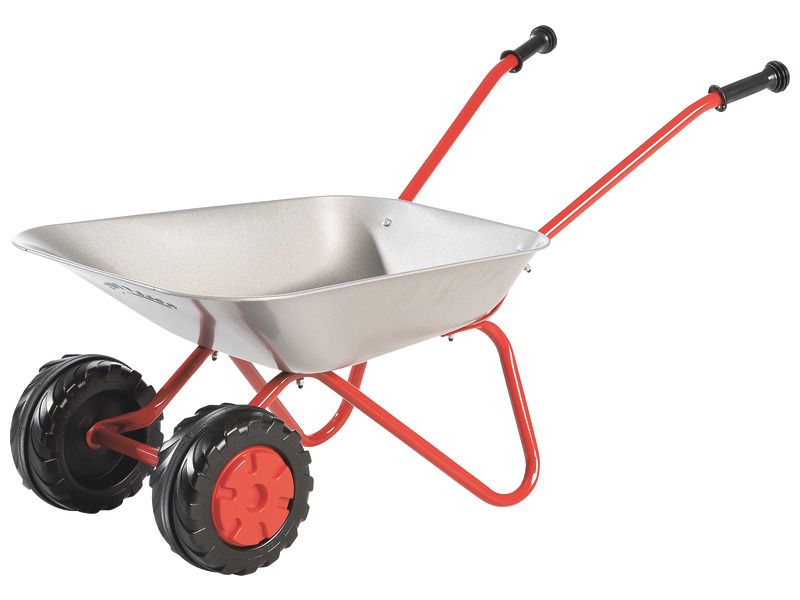
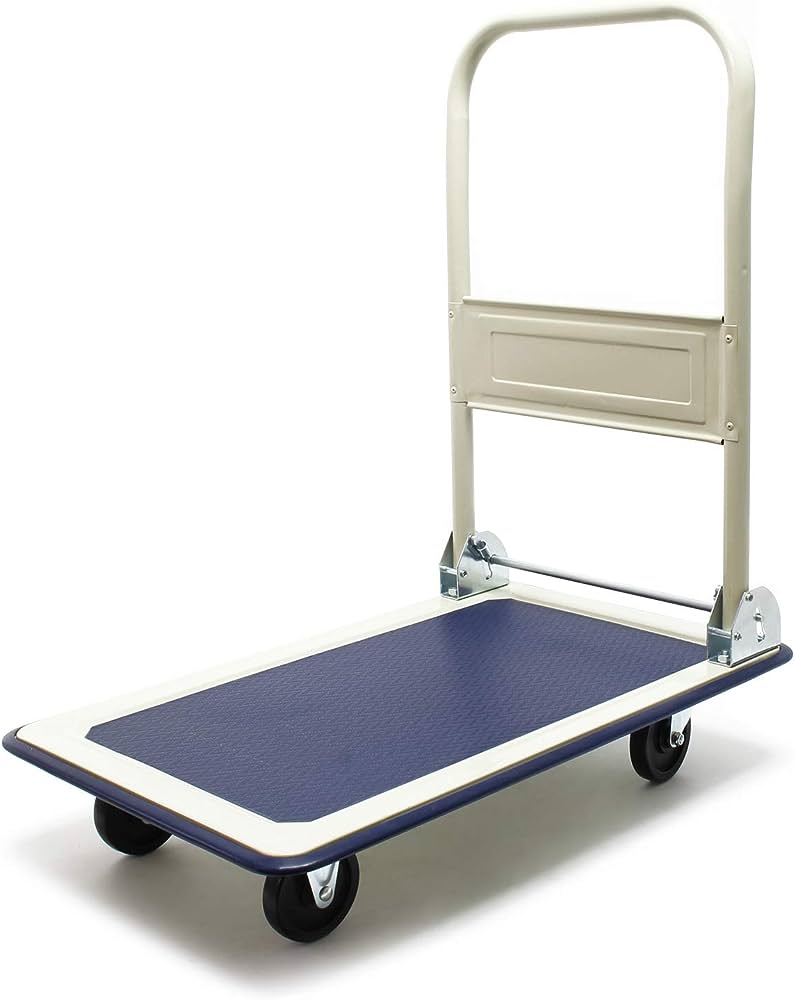
Platform Trolley
Use: Platform trolleys are designed to carry and move heavy loads with ease and safety, making them an essential tool for construction activity that require efficient and safe handling of heavy goods and materials.
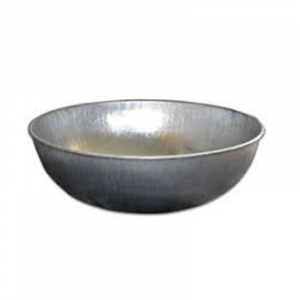
Head Pan
Use: To transport or shift stock of materials or to carry small load.
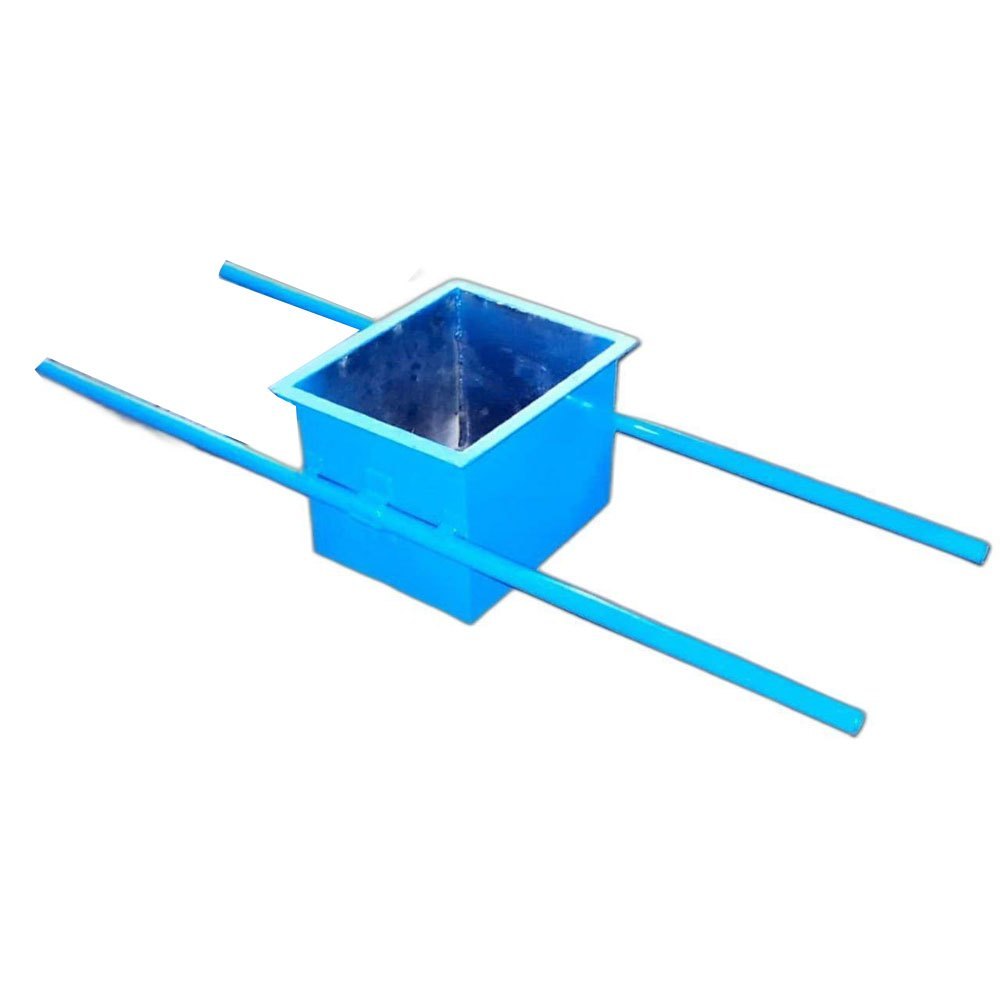
Measuring Box
Use: A Measuring Box is a container with a standardized volume that is used to measure quantities of cement, aggregate or mortar to create a proportional mix of mortar and concrete.
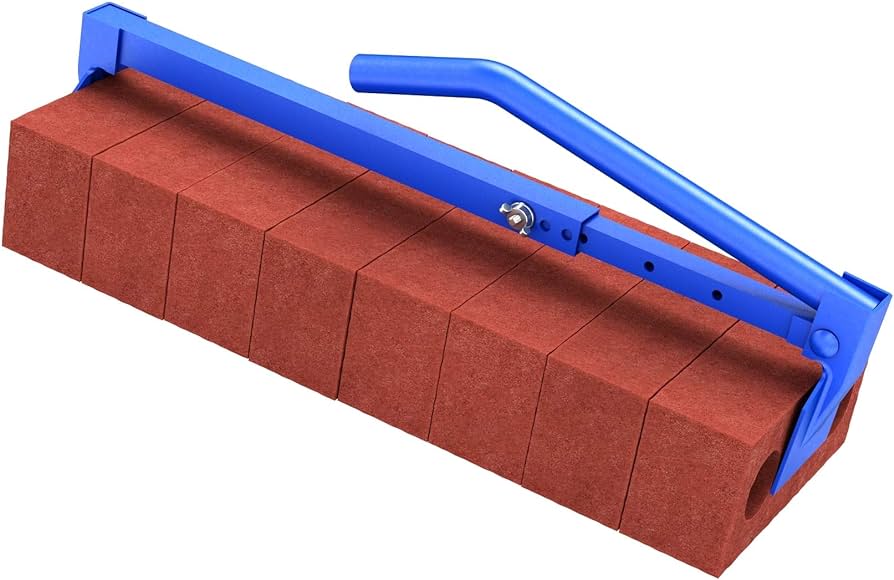
Brick Tongs
Use: To carry number of bricks in one go.
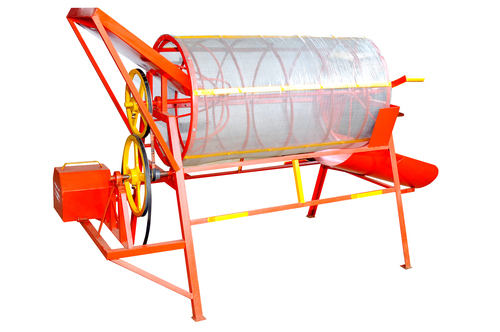
Rotary Sand Screening Machine
Use: For screening or shortening of sand to separate coarse particle from required particle.
Tile Cutting Machine
Use: To cut the tile as per required dimention.
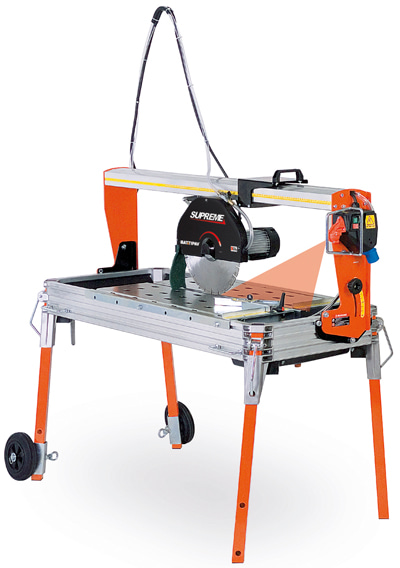
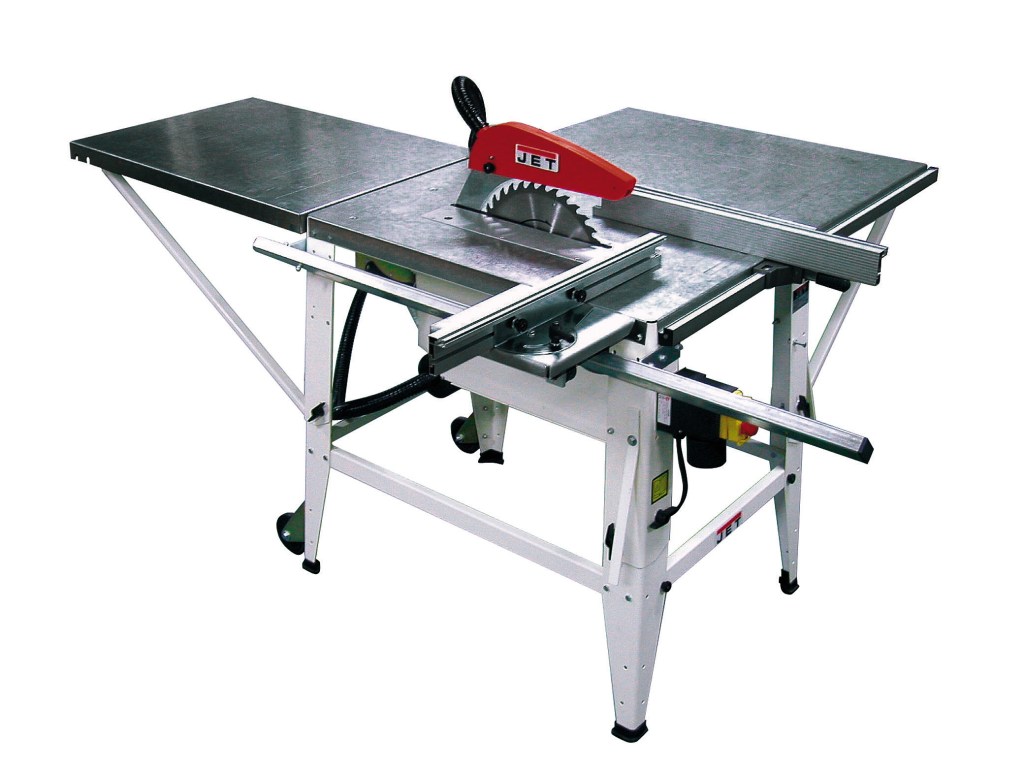
Table Saw Machine
Use: Ideal for cutting plywood and both hardwood and softwood timber.
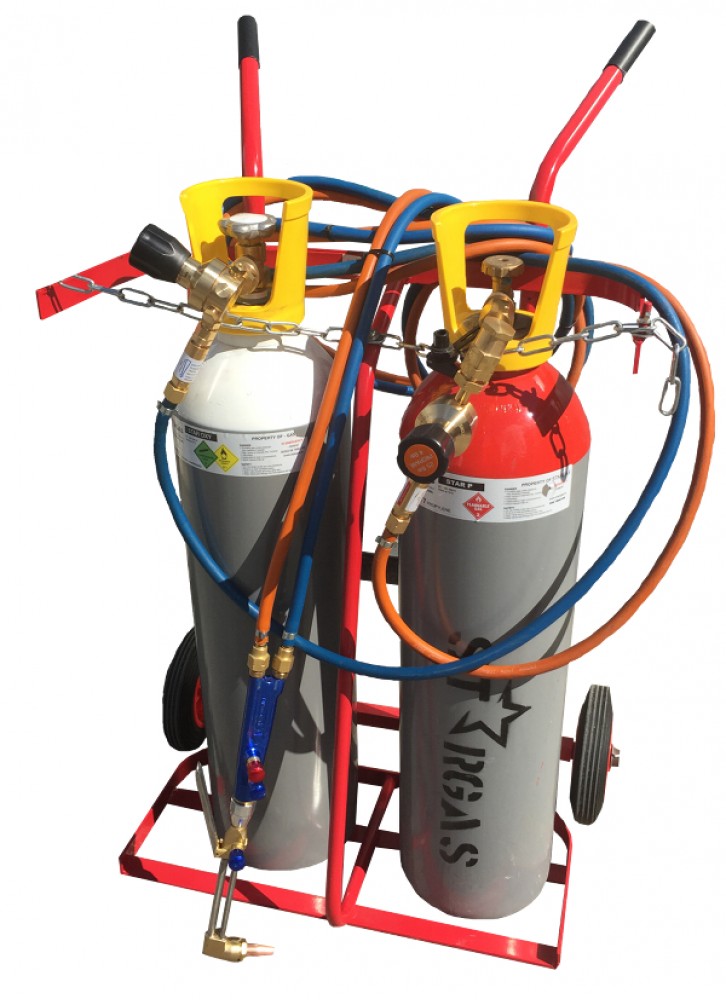
Gas Cutting Kit
Use: Gas cutting is a process that uses fuel gases and oxygen to create a flame that cuts through metal..
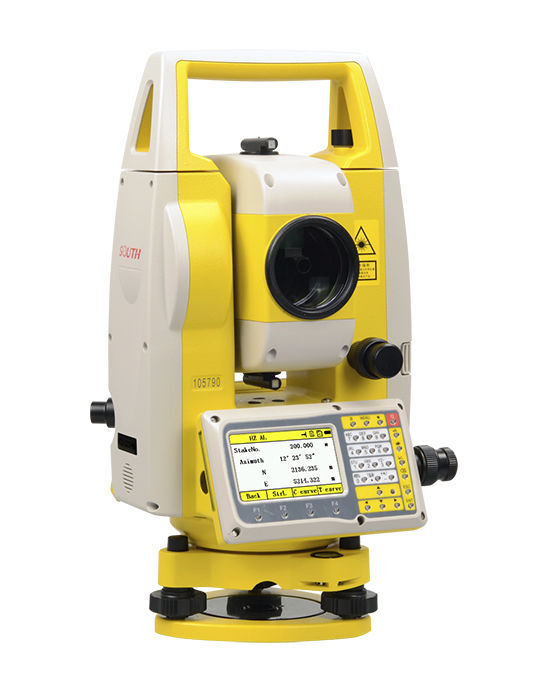
Total Station
Use: for Advanced Surveying, checking or marking co-ordinates at site, checking or marking levels etc.
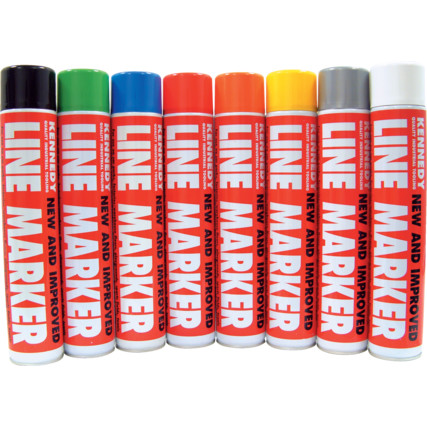
Spray Paint
Use: Used to mark the survey point of any reference point at site.
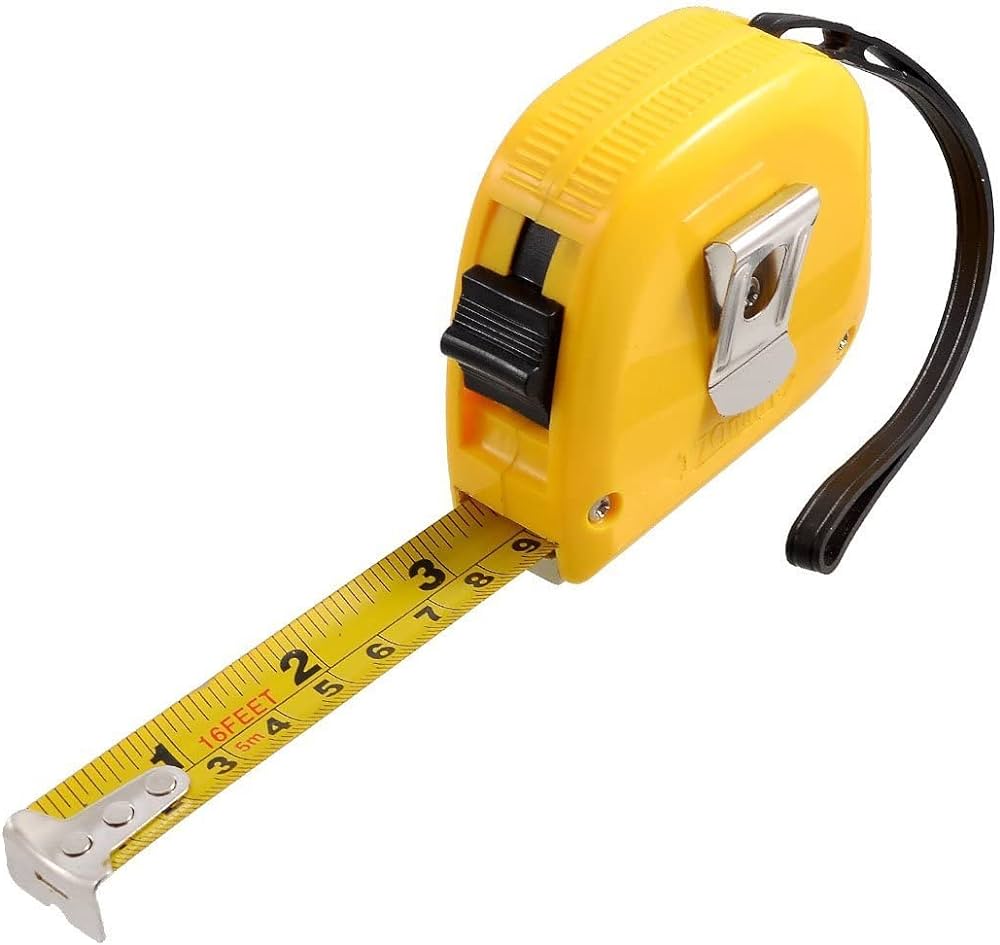
Measuring Tape
Use: Used to measure linear distance at site.
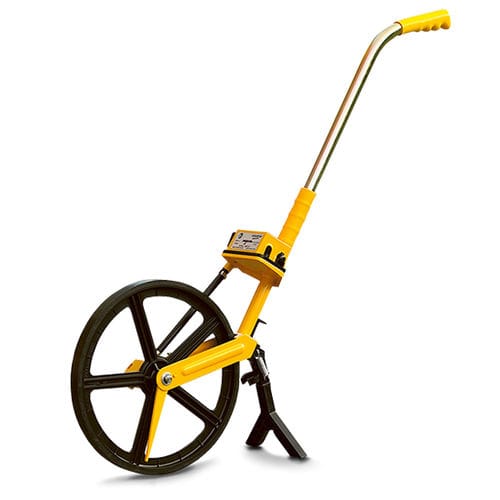
Measuring Wheel
Use: Measuring wheels are used largely used for lower accuracy measurements – which is to say, they’re used to get idea of how long a given distance is or used for distances where surveyor’s tape alone would be impractical.
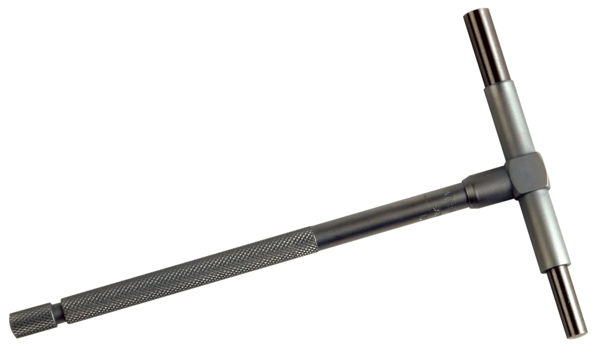
Telescopic Gauge
Use: Telescoping gauges are indirect measuring devices used to measure the internal diameter of a bore, hole, groove, slot, etc. This T-shaped tool consists of a handle, two telescopic rods and a locking screw.
Right Angle
Also called Mason’s Square.
Use: The Mason’s Square, is an instrument used to ensure that two perpendicular (90 Degree) surfaces are at a right angle with each other. It is a useful tool to carry around to get a standard reference of 90 degrees with which to verify the accuracy of corners.

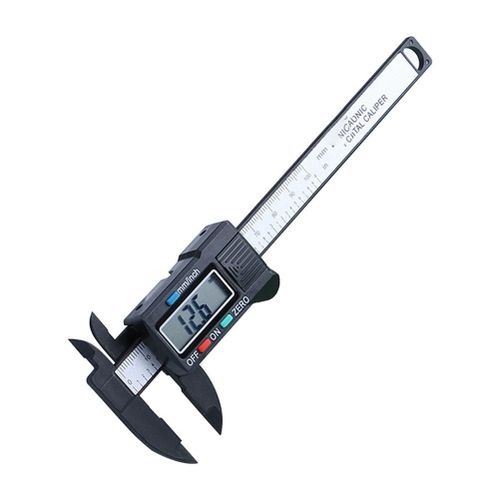
Digital Vernier Caliper
Use: Any construction, machine, or instrument must have exact dimensions. Also, the precision of readings frequently determines a machine’s efficacy. Digital Vernier calipers, with an accuracy of 0.01mm to 0.33mm, are one of the most commonly used tools for measuring lengths and diameters.
Elcometer
Use: The Elcometer Coating Thickness Gauge has been designed to take fast and accurate non-destructive dry film thickness (DFT) measurements. Used to measure cured paint & powder coating thickness on flat or curved substrates up to 1000µm (40mils).

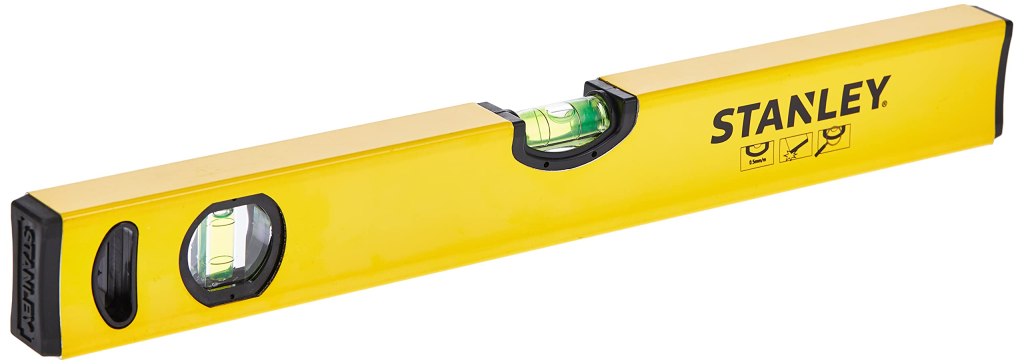
Spirit Level
Use: Used in Finishing work to check precise surface level.
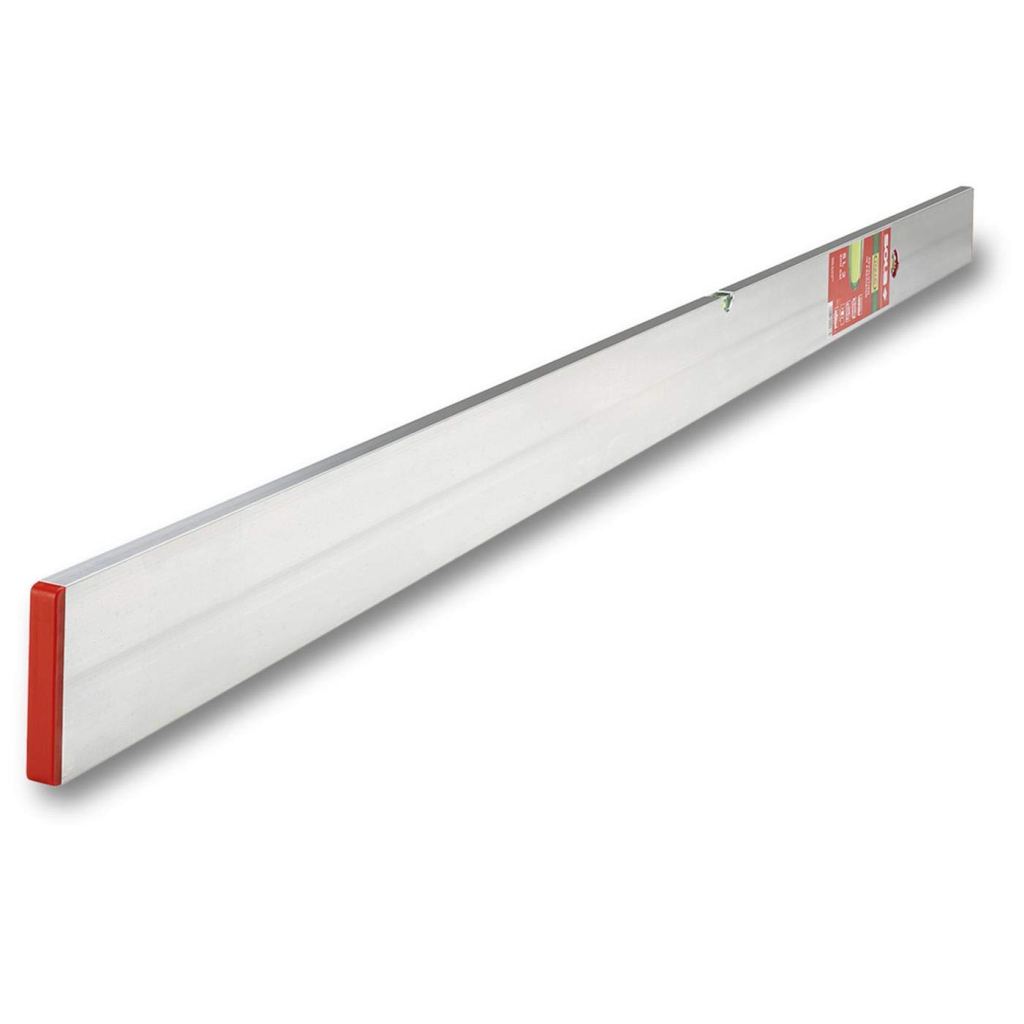
Straight Edge
Use: Used in check or to establish surface smoothness and to make it even without ups and down.
Water level PVC Pipe
Use: Used in transfer the level across the distance or to check the level with reference to another level.

Line Dori
Use: Used in check long straight line or alignment on relatively flat surface.

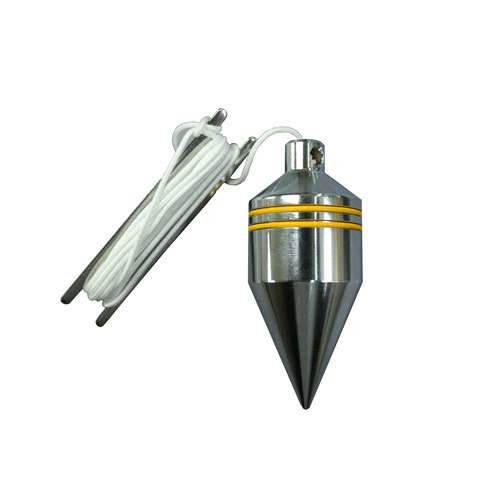
Plumb Bob
Use: Used in check or to establish Verticality of surface or any structure.
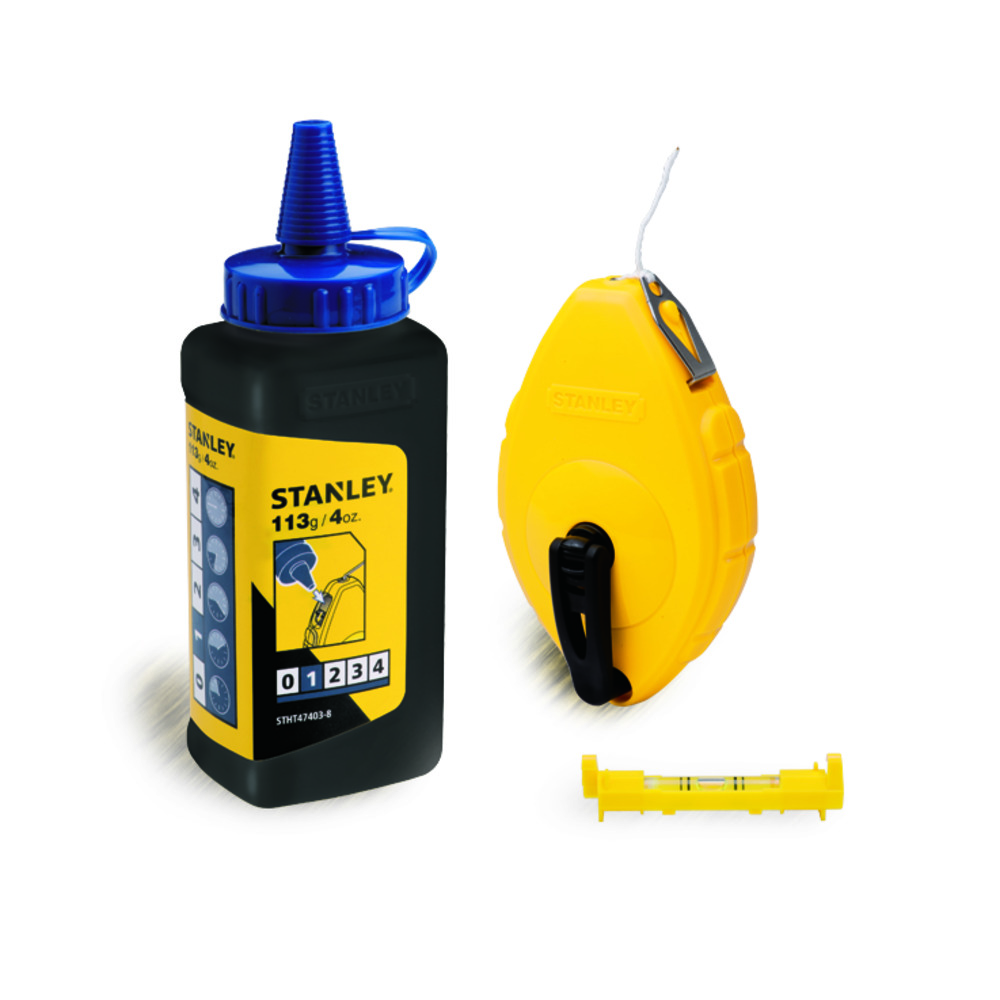
Chalk Line Set
Use: Used mark long straight line on relatively flat surface.
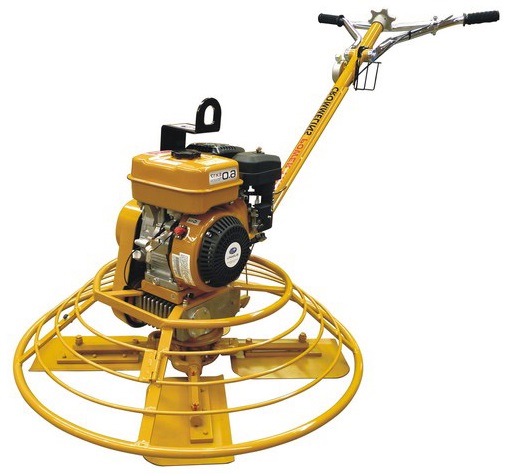
Power Trowel
(Concrete Helicopter, Power Float)
Use: For levelling , spreading and shaping mortar or concrete to get a smooth finish.
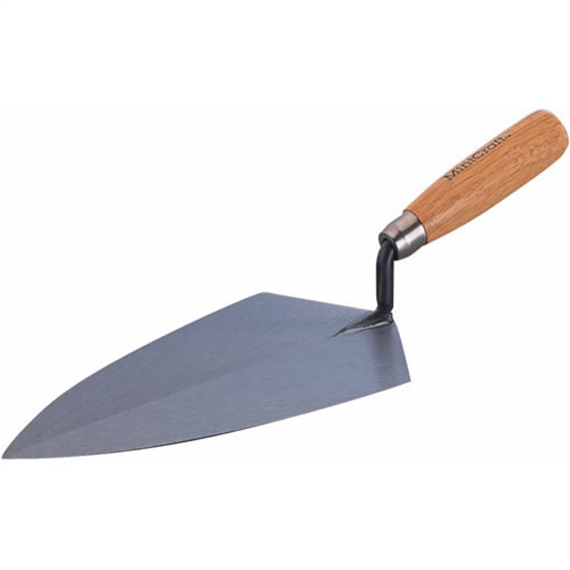
Masonry Trowel
Use: For levelling, spreading and shaping mortar or concrete.
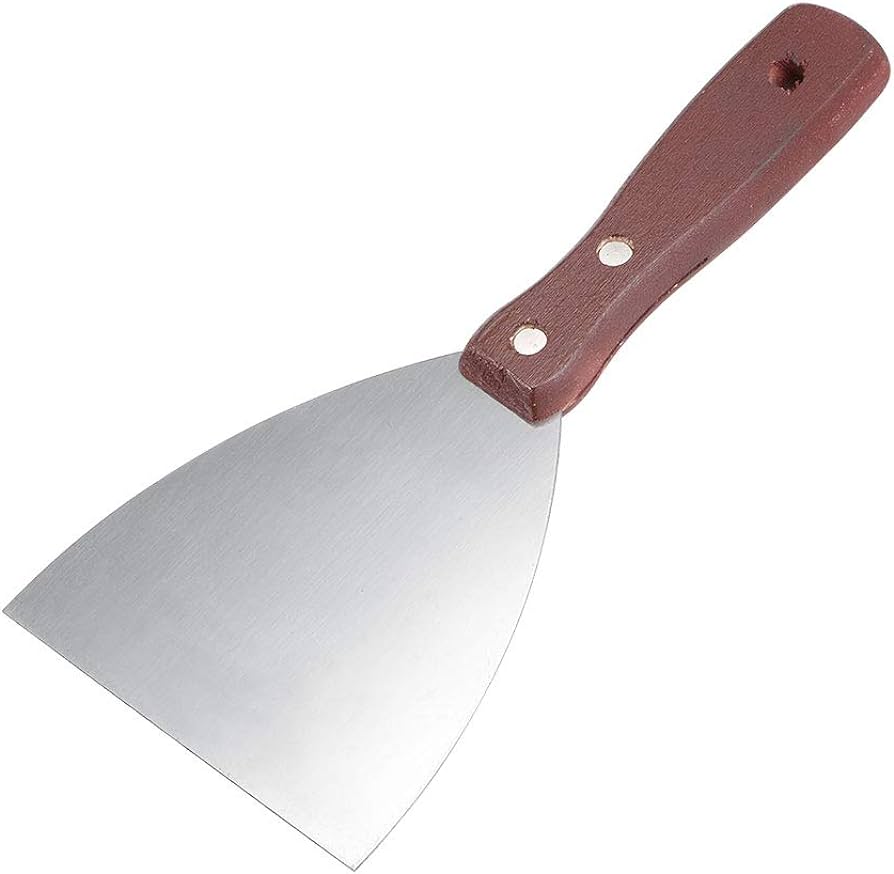
Putty Knife
Use: Used to apply and spread materials.
PVC Float
Use: To apply the plaster on surface.

Bull Float
Use: To smoothen and level fresh concrete.

Bump Cutter
Use: Use this tool to cut down the extra layer of concrete by cutting bumps which helps smooth the surface. This concrete levelling tool is used by concrete professionals to speed up the finishing times on large areas of the concrete.
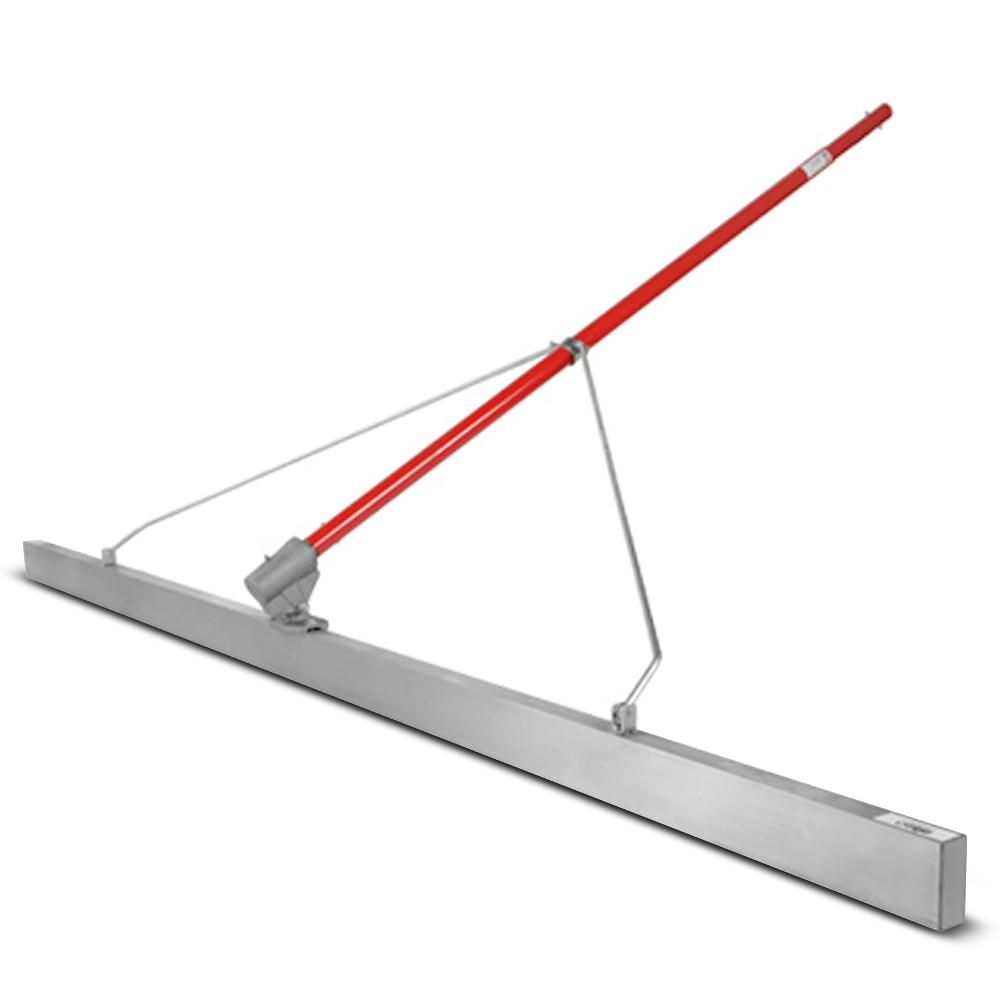
Concrete Broom
Use: To create a rough finish or slip resistant texture on fresh concrete surface.
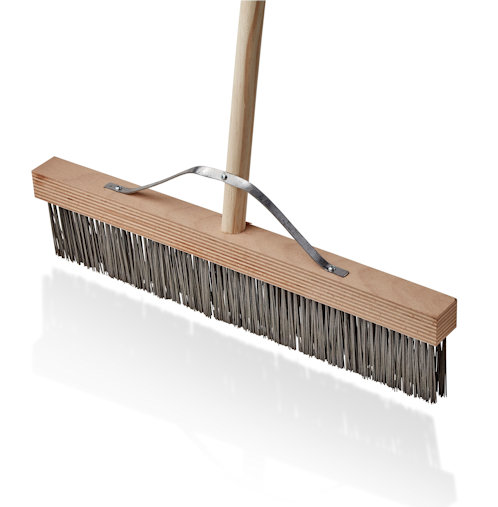
Stainless Steel Wire Brush
Use: For removal of rust and other contamination from surface for different materials like reinforcement.
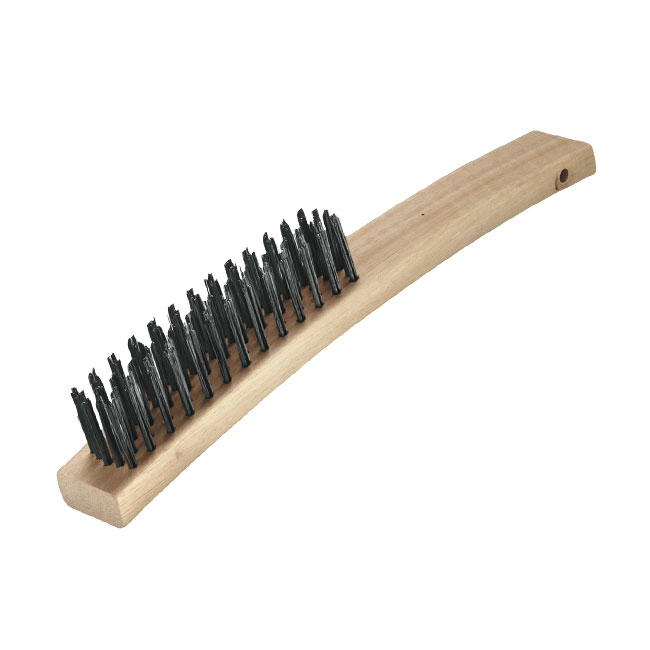
Scratcher
Use: It is used to scratch up the surface before a second coat is applied. It combs lines directly into the surface as a result forming a much stronger bond with the next layer of plaster or render.
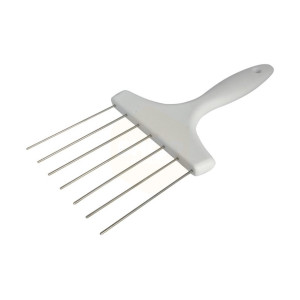
Plastic Bucket
Use: For collection of small waste from site, to shift or transport light weight materials, water etc.
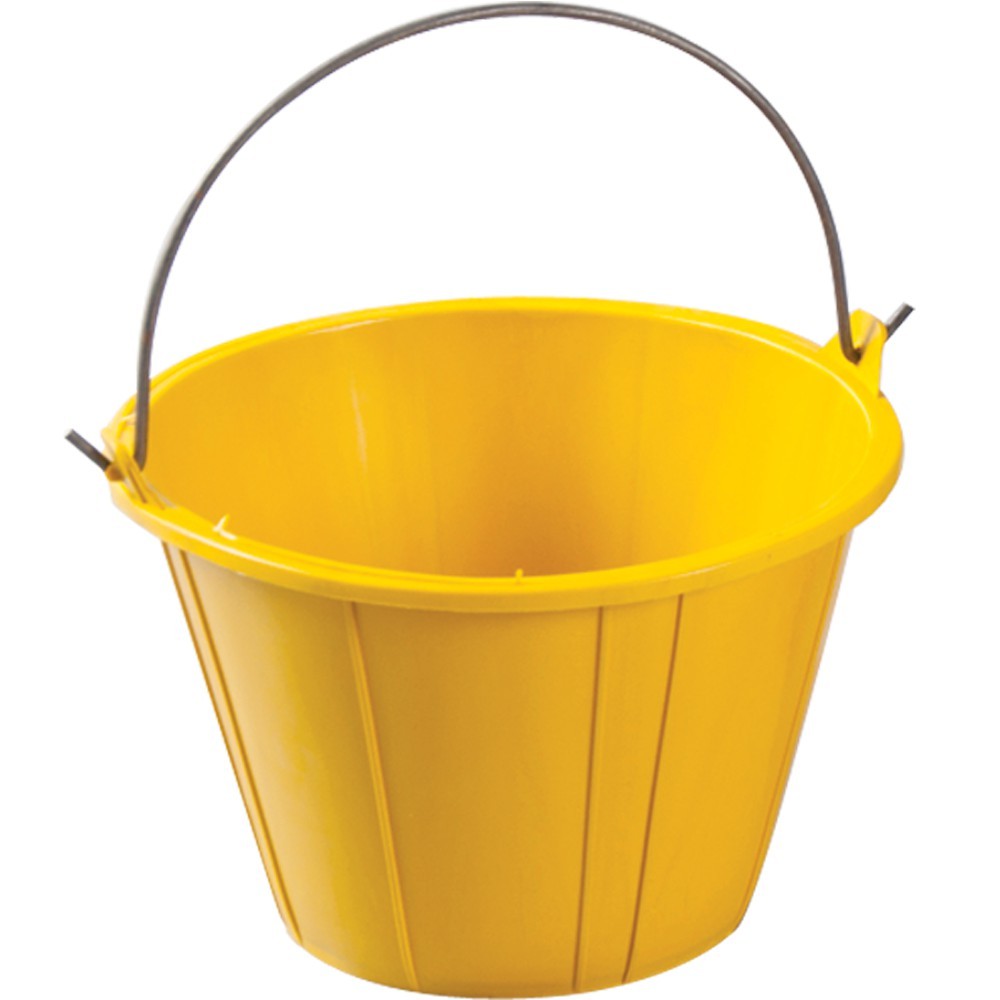
Masking Tape
Use: Masking tape is used as protection during painting and sealing.
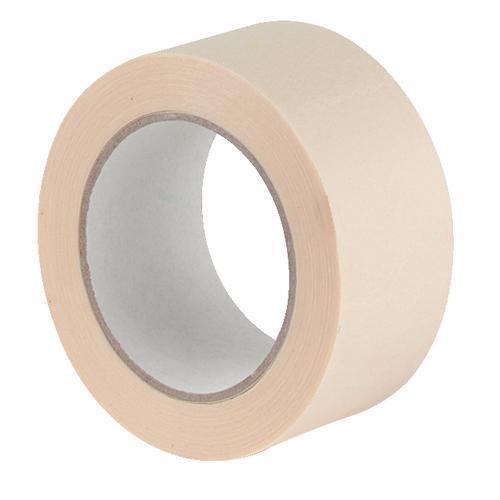
Abrasive Paper
Use: Abrasive Paper are widely used in stone polishing, hardware processing, mold processing, wall putty polishing, surface polishing, rust removal, paint removal.
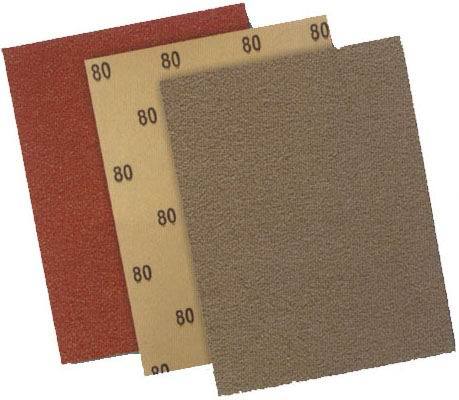
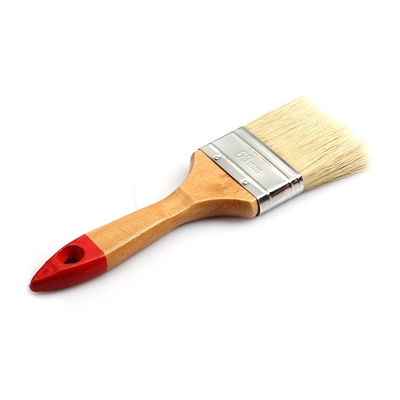
Paint Brush
Use: Brushes are also great for applying paint, stains, and sealants to metals.
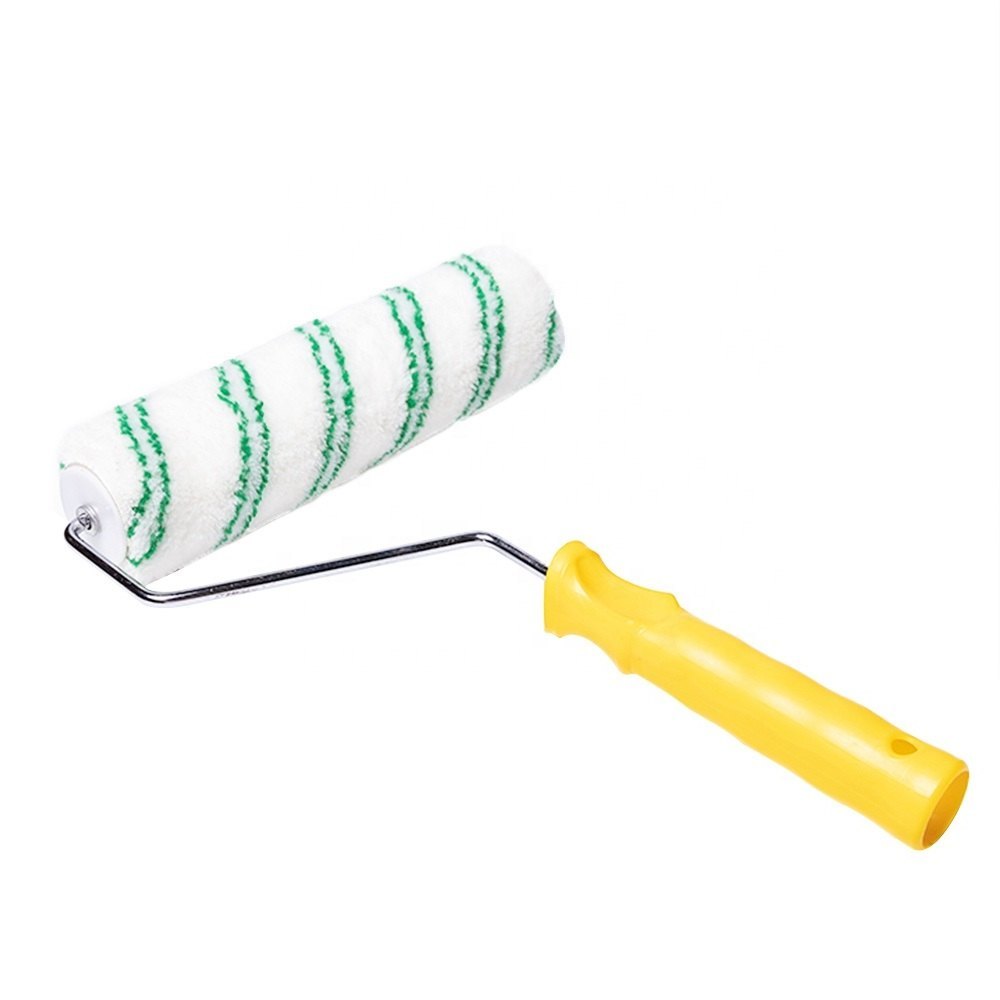
Paint Roller Brush
Use: Brushes are also great for applying paint, stains, and sealants to metals.
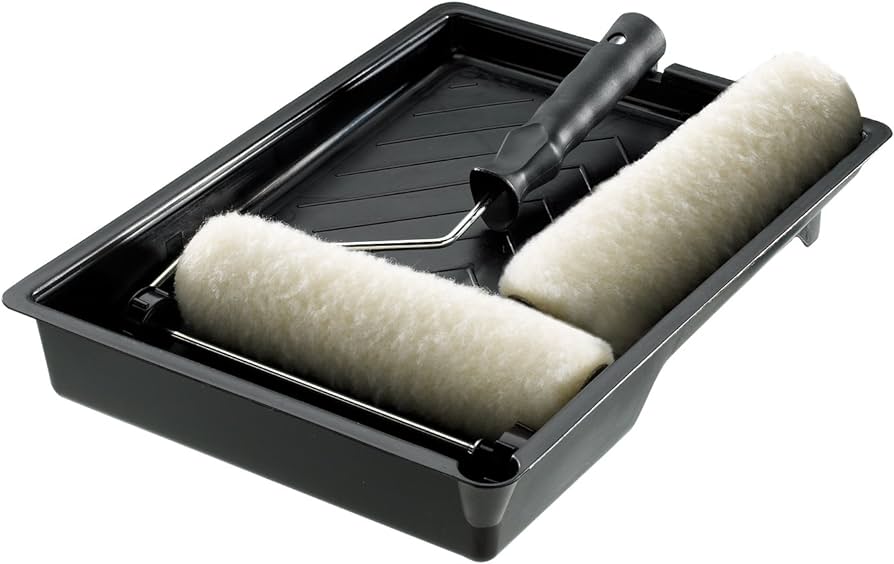
Paint Tray
Use: For squeezing excess paint during painting and plastering Material. Paint trays help to distribute the paint evenly on the surface you’re painting. it has unique design feature that ensures efficient, hassle-free painting.
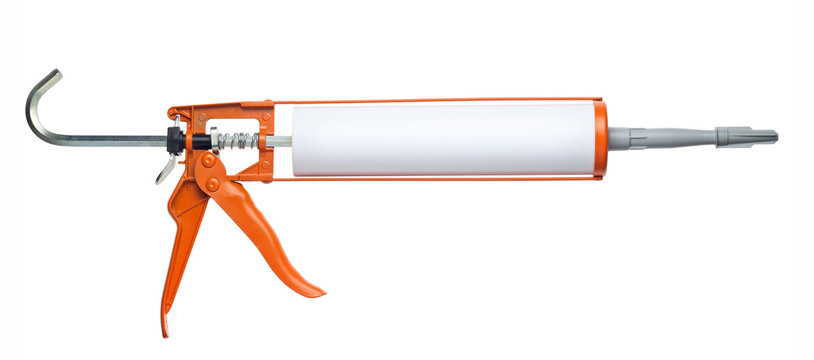
Caulk Gun
Use: It is used to seal air leaks through cracks, gaps, or joints .
Knipex Cutter
Use: To Splice or cut wires.
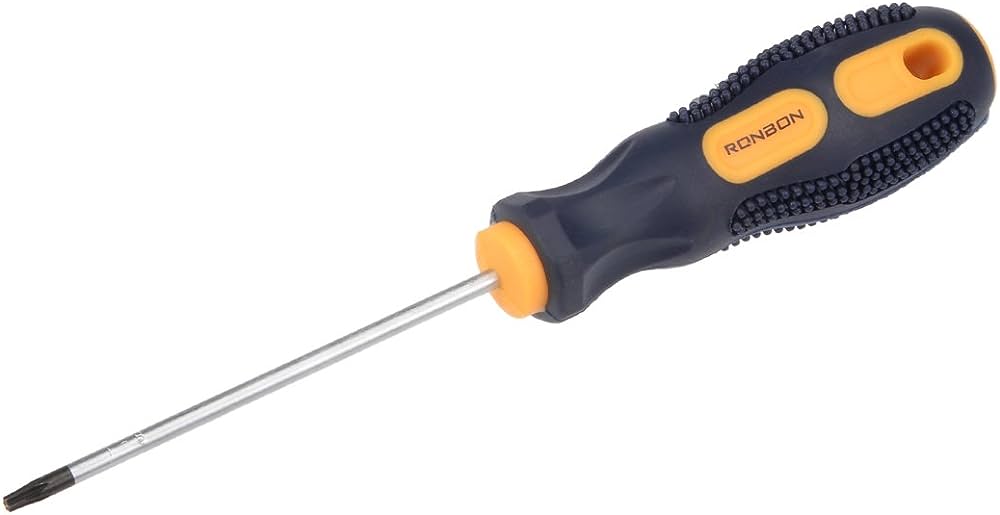
Screw Driver
Use: Screwdrivers are widely used for machine screws, wood screws, mechanical assemblies, building and construction, bolt assemblies, and fastener assemblies.
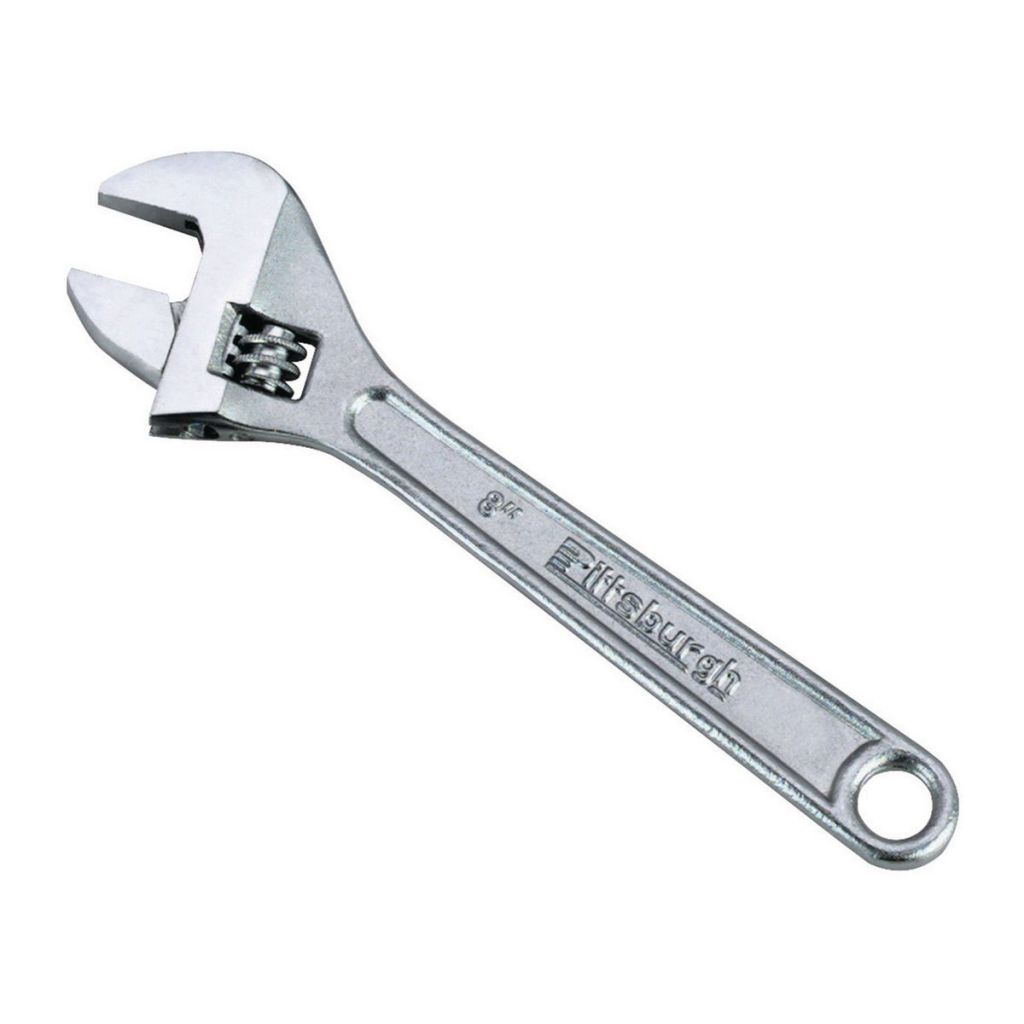
Adjustable Wrench
Use: An adjustable spanner is an open-ended wrench with a moveable jaw. Its function is the same as any regular spanner – to grip fasteners, such as nuts and bolts – however, only adjustable spanners can grip fasteners of all sizes, thanks to their moveable jaw.
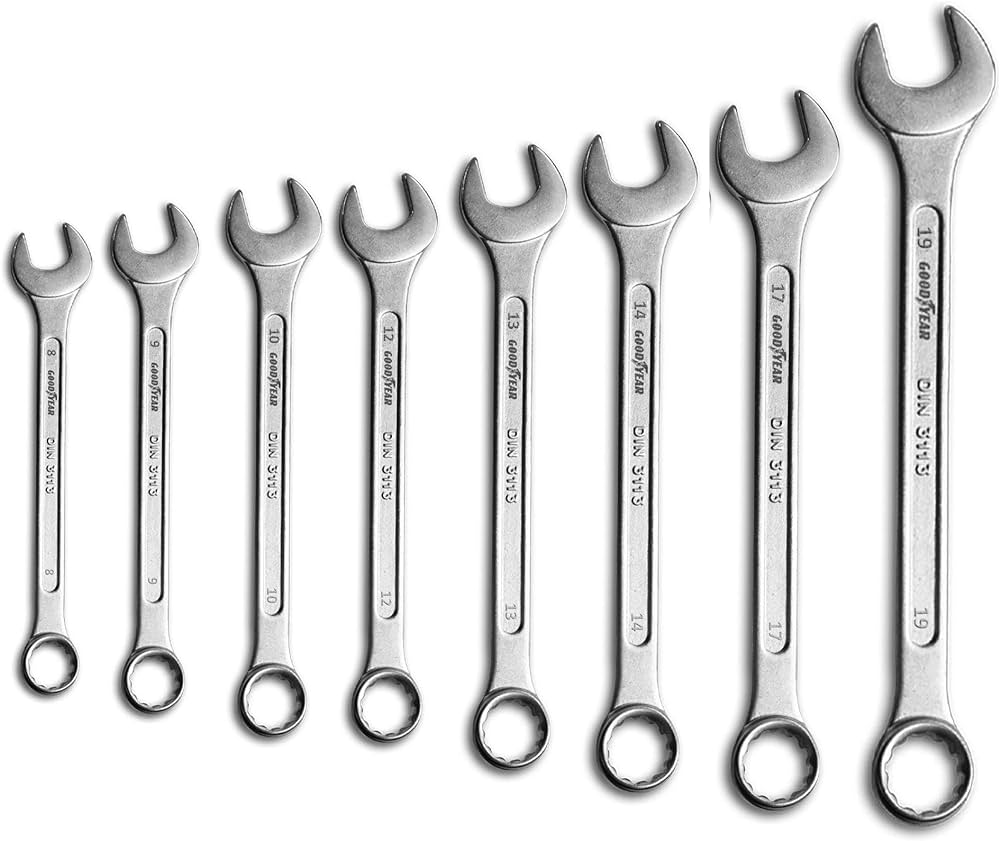
Combination Spanner Set
Use: A combination spanner features an open-end and a box-end on either side. While one side can be used to tighten/loosen nuts and bolts, the other side can be used to separate them. Both the ends of a combination spanner are of the same size as these spanners are usually used for same-sized nuts and bolts.
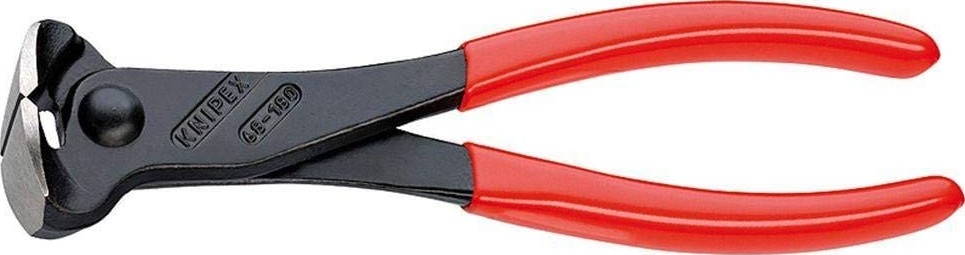
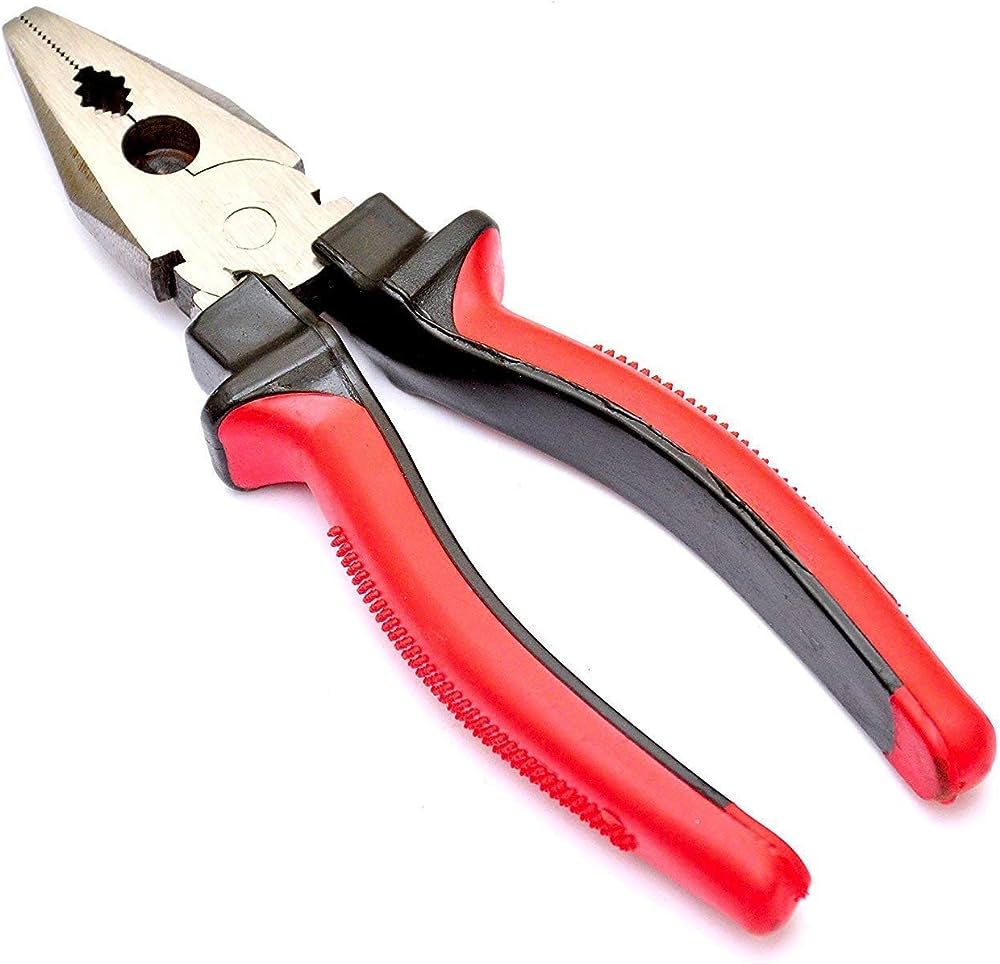
Plier
Use: The tip of the jaw (nose) can be flat (combination pliers), half round (long nose) and round (electronics pliers), and provide functionalities such as bending, holding, and gripping various objects..
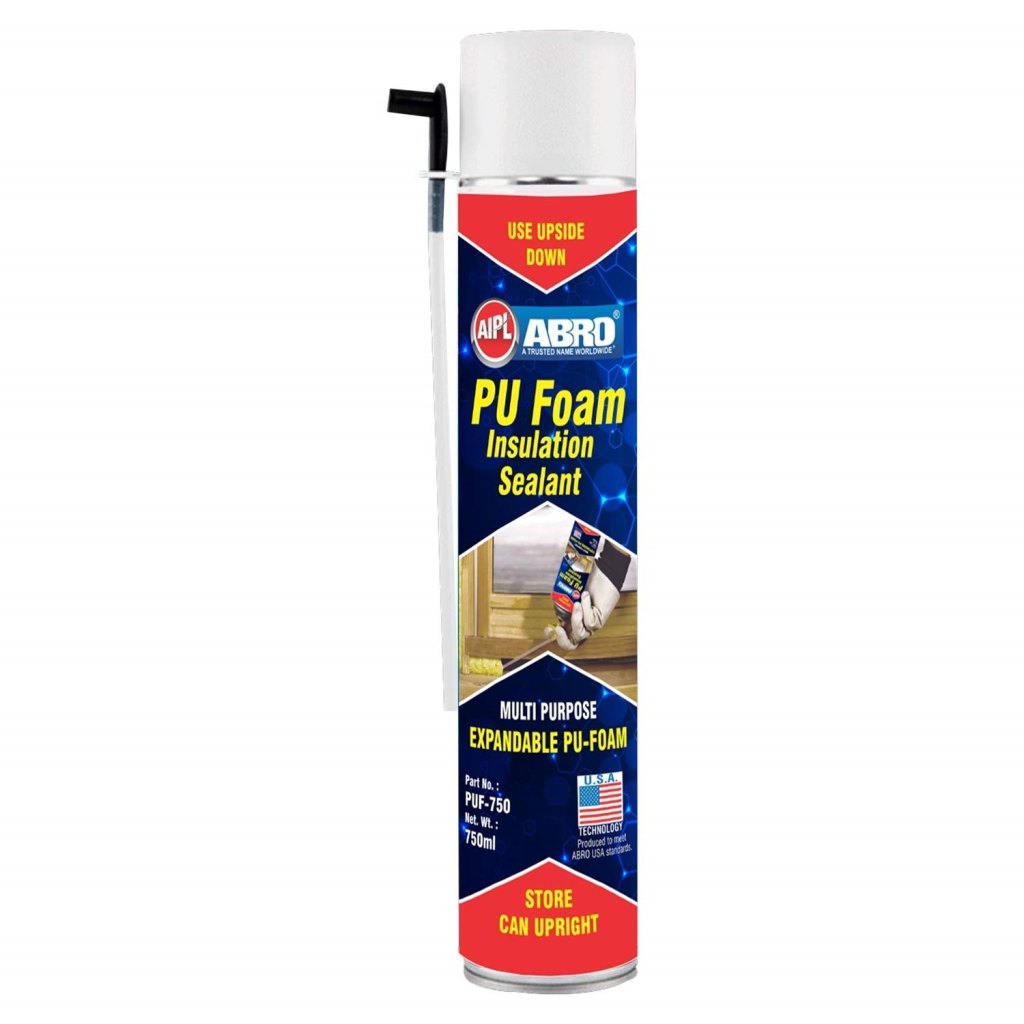
PU Foam Sealant
Use: It is a polyurethane (PU) resin-based foams To seal the gap and for insulation purpose.
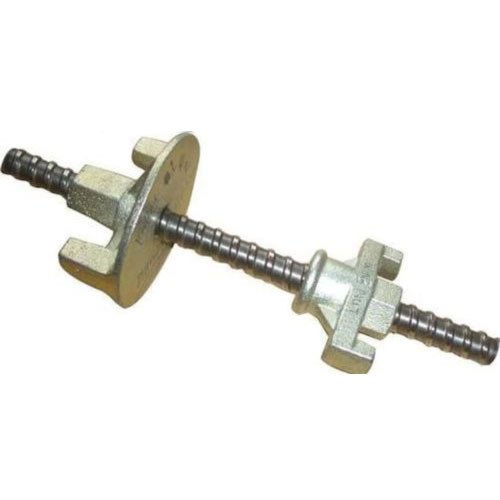
Tie Road With Pivot Plate and Wing Nut
Use: To secure the formwork by holding them together during concrete pouring operations.
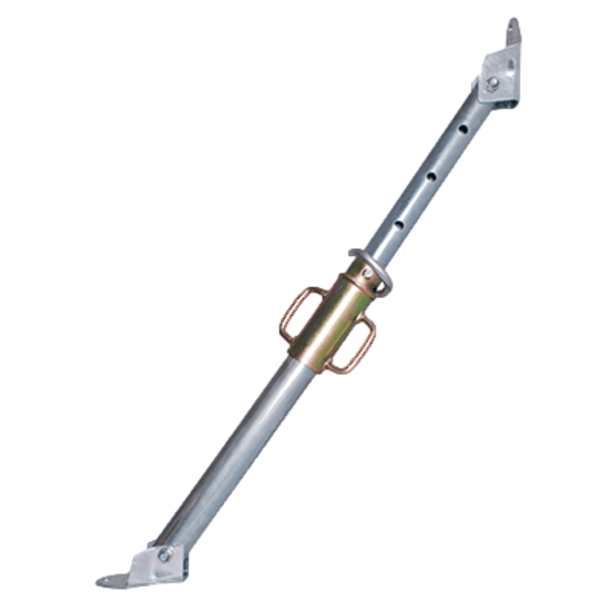
Push Pull Props Jack
Use: Generally used in the construction/erection of Column and wall formwork support.
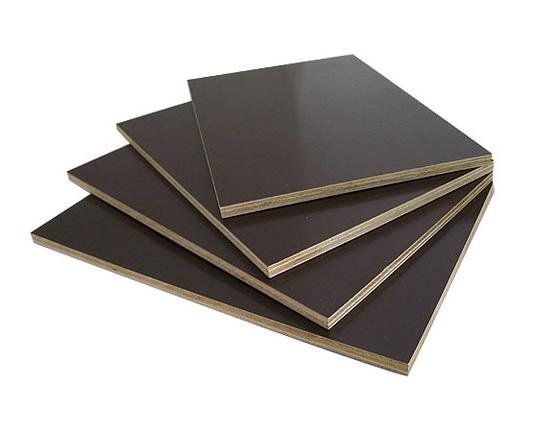
Film Faced Plywood
Use: It is a structural plywood coated on both faces with a phenolic film, making it suitable to use for concrete form work.
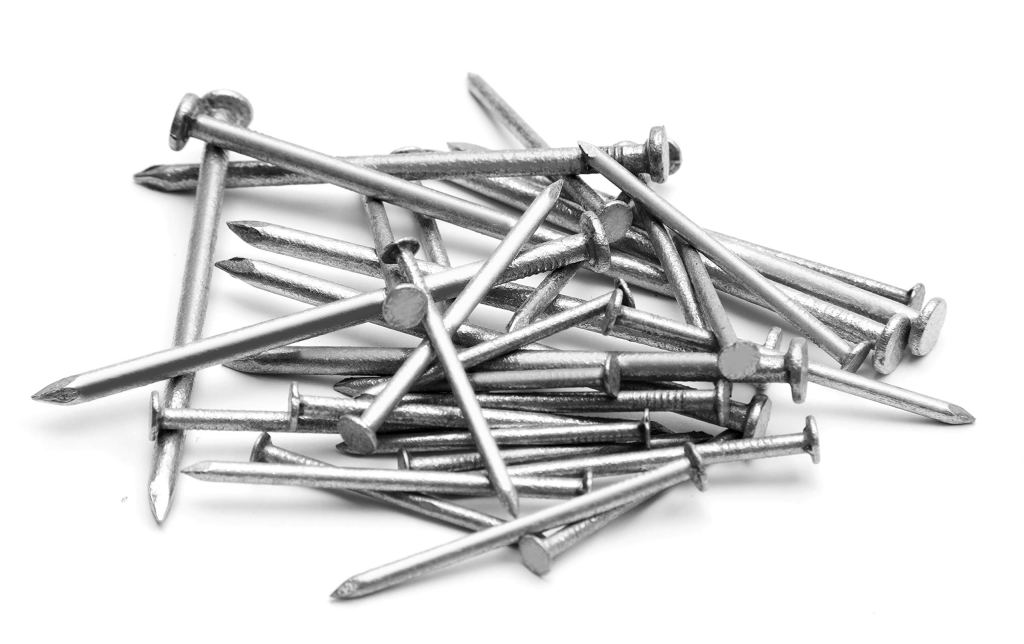
Wire Nails
Use: To join the wooden boards for formwork purpose.
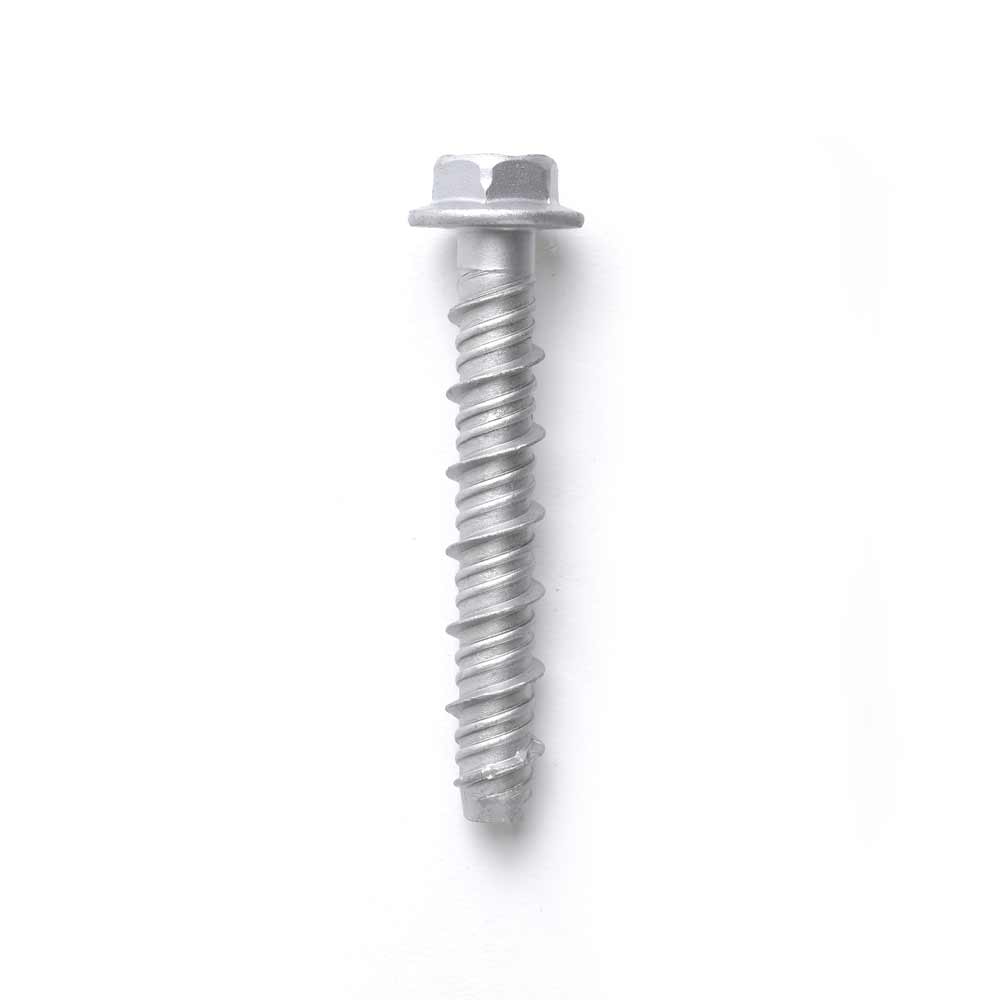
Screw
Use: Construction screws – which are also sometimes called structural screws – are long, tough fasteners that are used for holding together building structures, supports, and other items that need long-lasting connections..
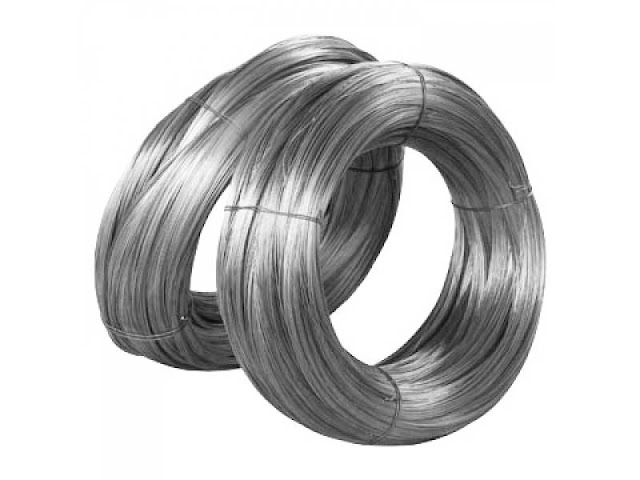
Binding Wire
Use: For Tying the rebar (Reinforcement).
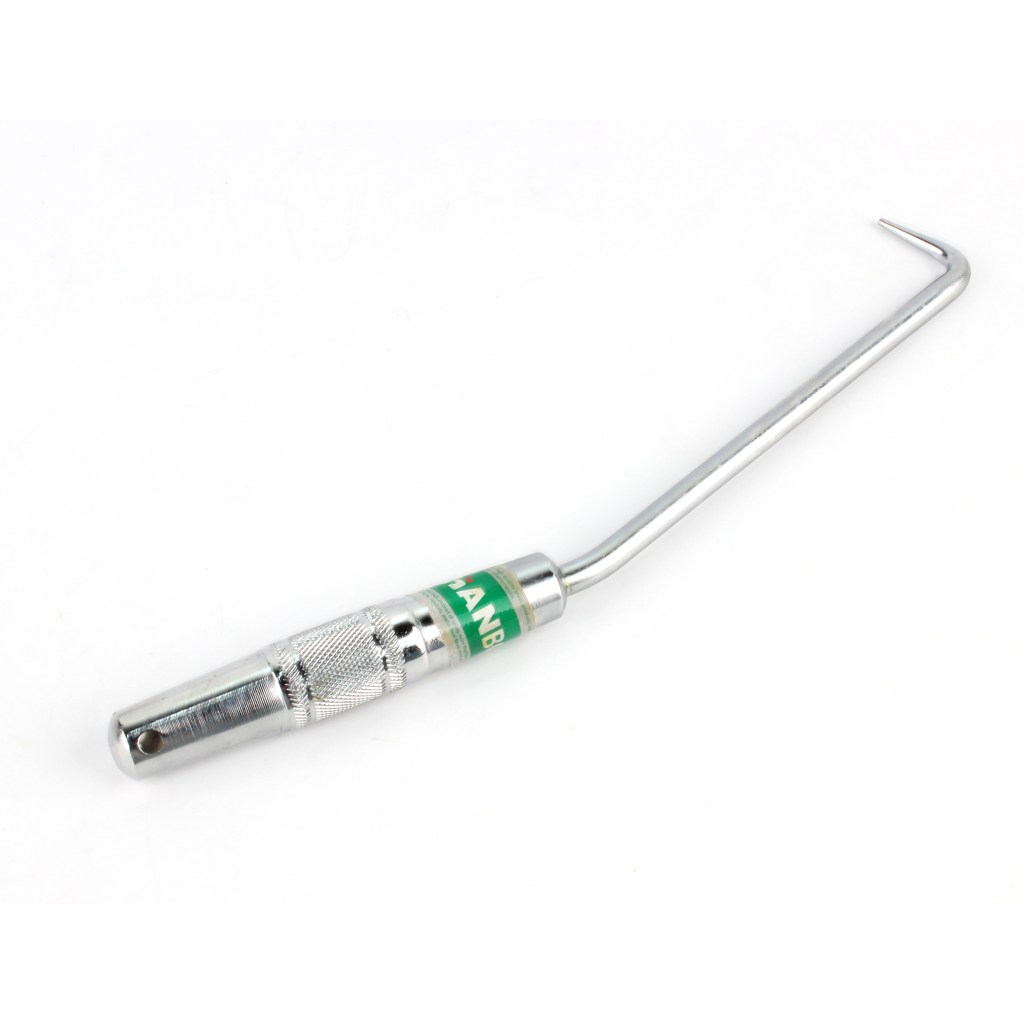
Rebar Binding Hook
Use: These hooks are the basic manual rebar-tying tools. The binding wires are cut to the pre-required length to tie the reinforcement steel. You have to twist the binding wires manually to create a knot having a firm grip.
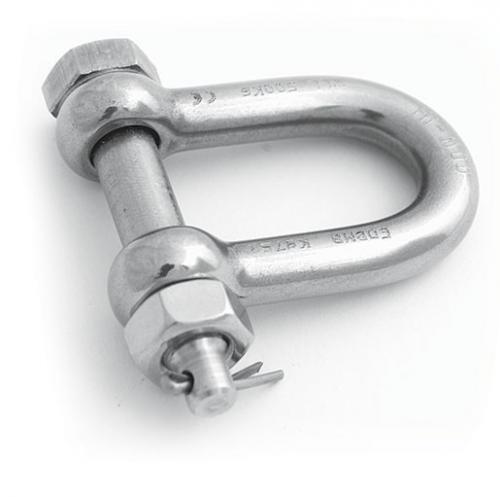
D Shackle
Use: For lifting, rigging, and connecting ropes and chains.
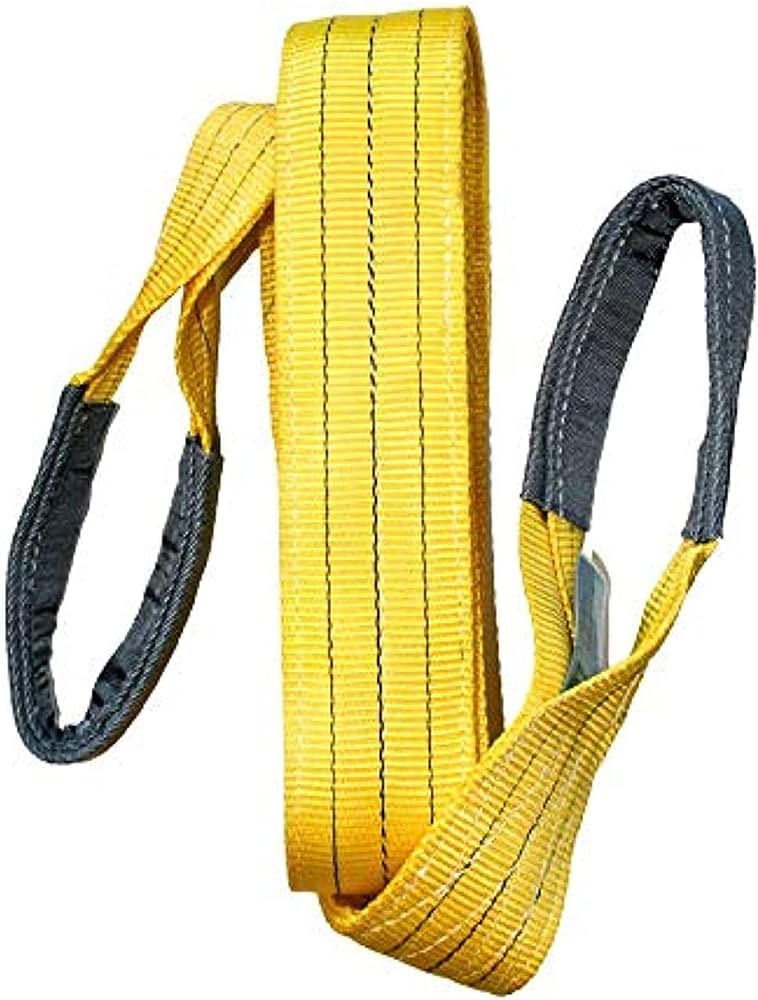
Lifting Belt
Use: It is used for lifting/hoisting at construction sites.
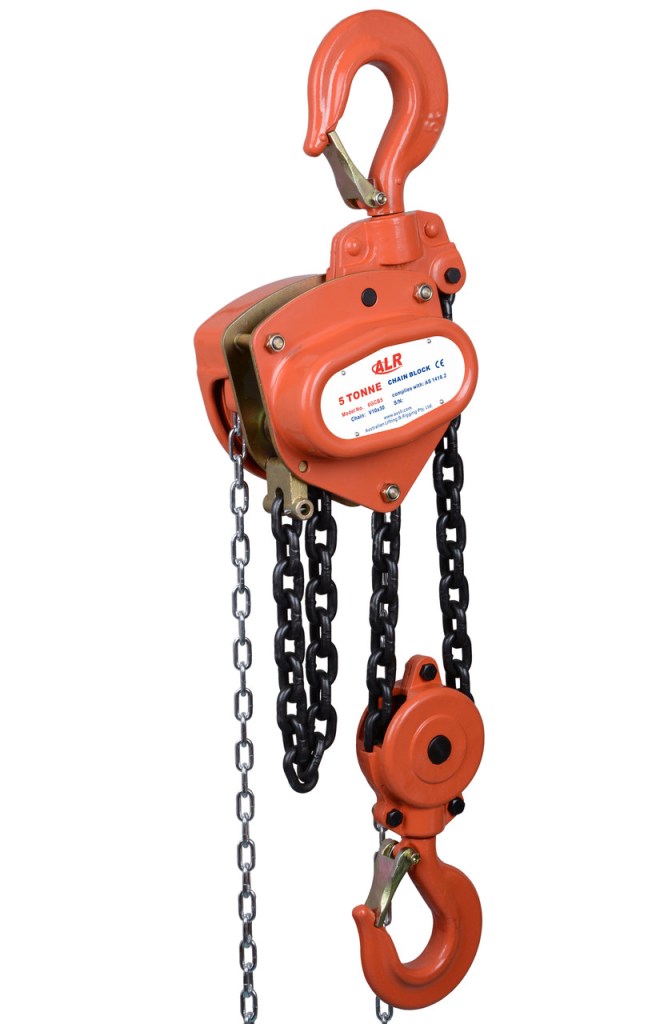
Chain Block
Use: The Chain Block is a mechanism used to raise or lower heavy loads with relative ease. The internal gears of the Chain Block wind the chains around, lifting the object that is attached to the end or hook. This means that very little force is required to lift large, heavy loads.
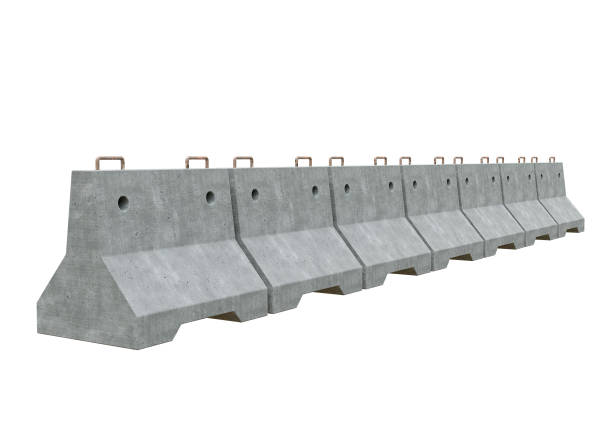
Concrete Barrier
Use: To prevent the live road vehicle to enter into the construction area or to prevent falling into the excavated area.
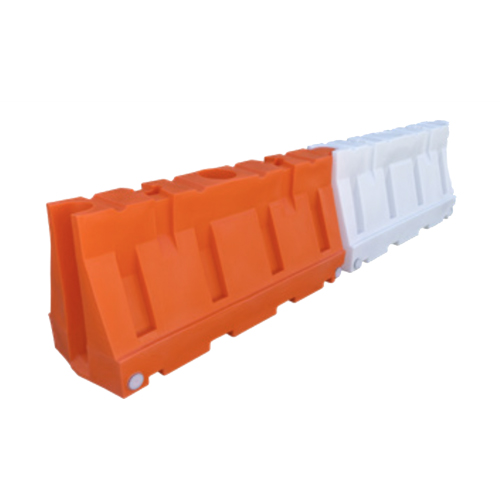
Plastic Barrier
Use: To prevent the unauthorized entry into the construction area or to separate the hazardous area into construction site.
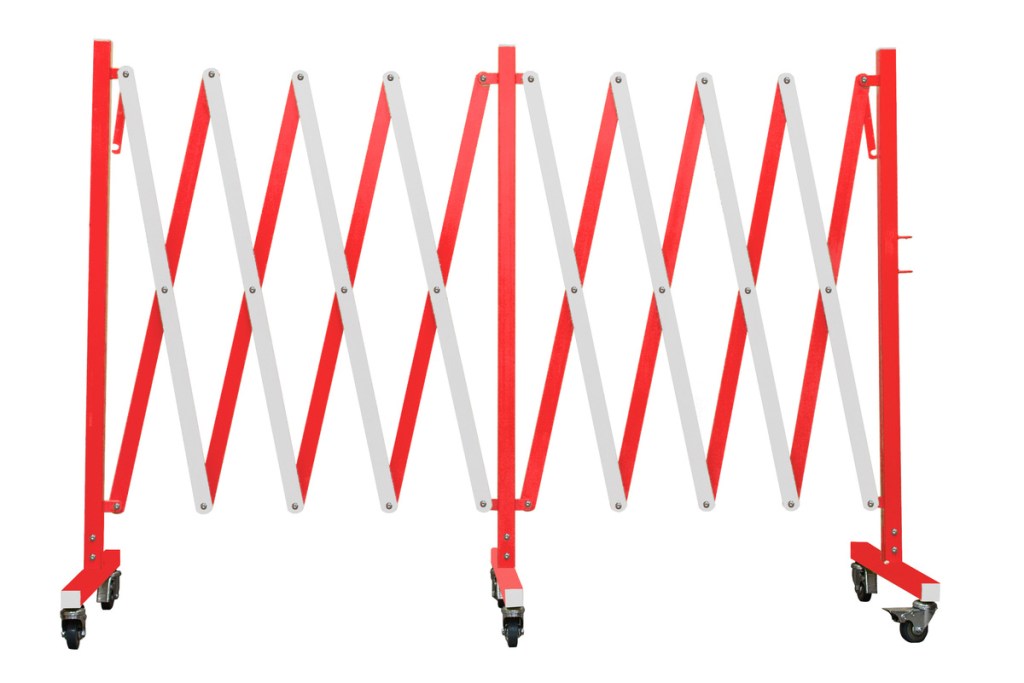
Expandable Barrier
Use: Expandable barriers can help steer people away from areas where construction is taking place. This moves them away from the danger of falling debris, construction materials, hazardous or volatile substances, and heavy equipment.
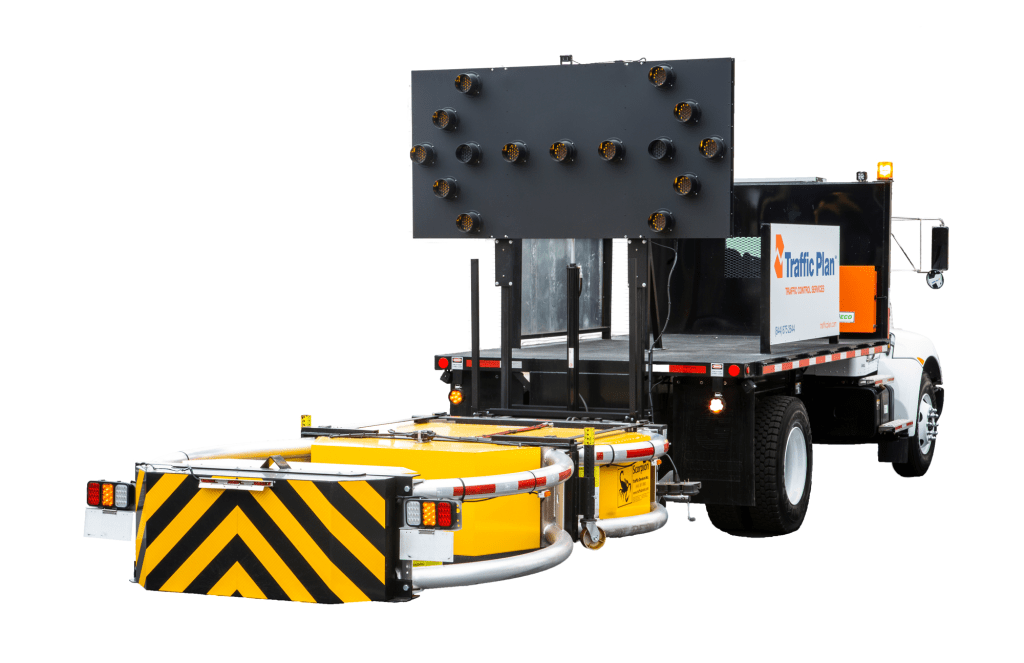
Truck Mounted Attenuators (TMA)
Use: Impact Attenuator units are designed to absorb the vehicles’ kinetic energy and/or redirect the vehicles away from the hazard, and from roadwork machinery or workers. TMAs are required for the protection of works on or adjacent to all high speed roads.
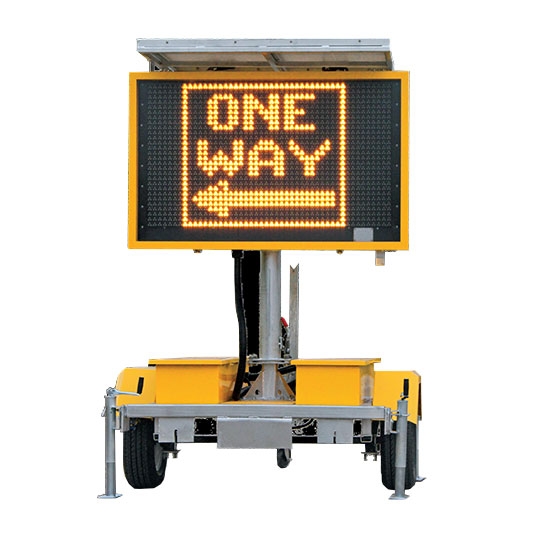
Traffic Control Signage
Use: Temporary Traffic Control (TTC) signs help to safely guide road through users through these areas while improvements are being made.
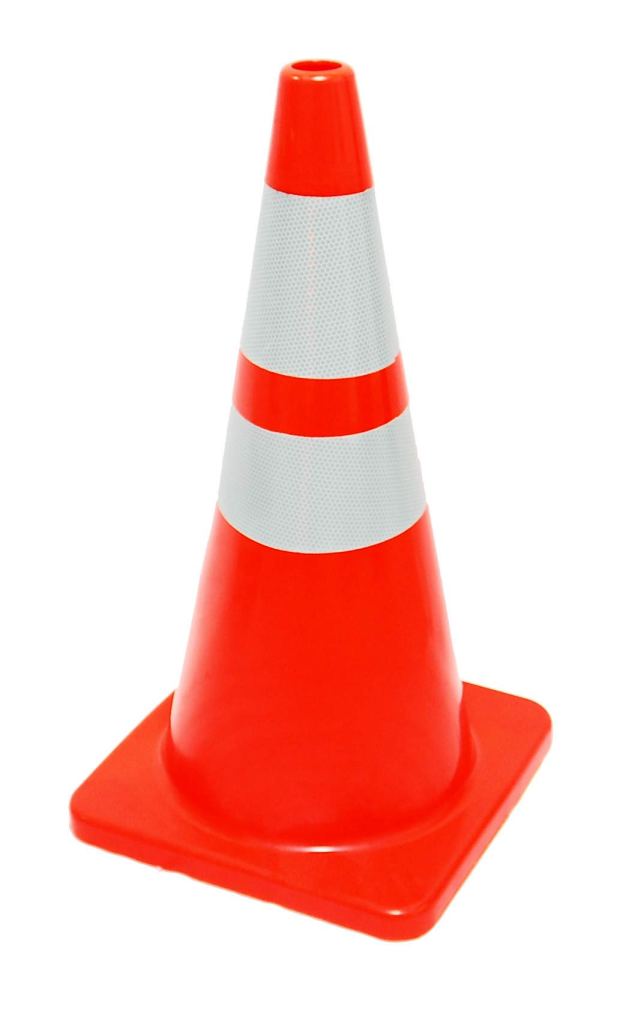
Traffic Cone
Use: Traffic cones are often used to mark areas where construction or maintenance is taking place.
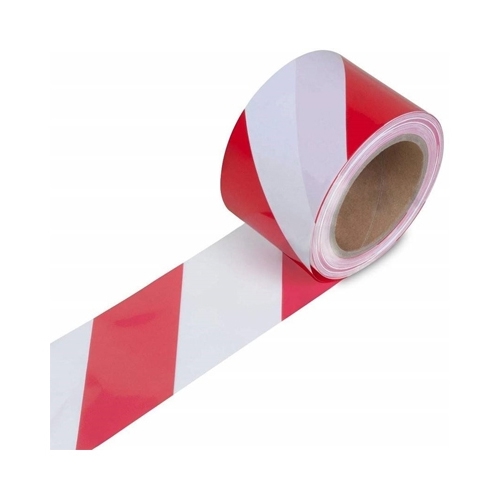
Hazard Warning Tape
Use: Used barricade area to communicate warnings and manage access to work sites and hazardous areas to promote safety.
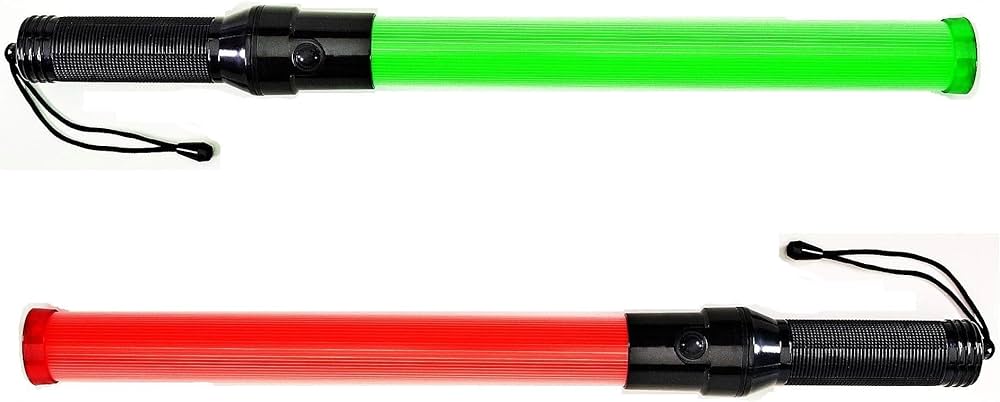
Traffic Baton Light
Use: The hand-held traffic conductor LED light stick can be an indicator for parking or other traffic commands, and also can be applied for traffic controls, emergency alerts, parking guides.
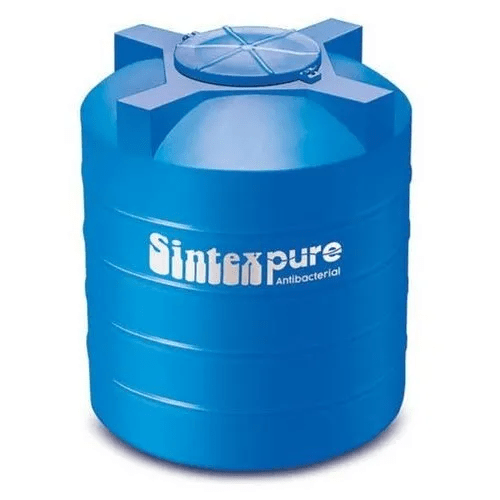
Water Storage Tank
Use: To store the water for different purpose on construction site.
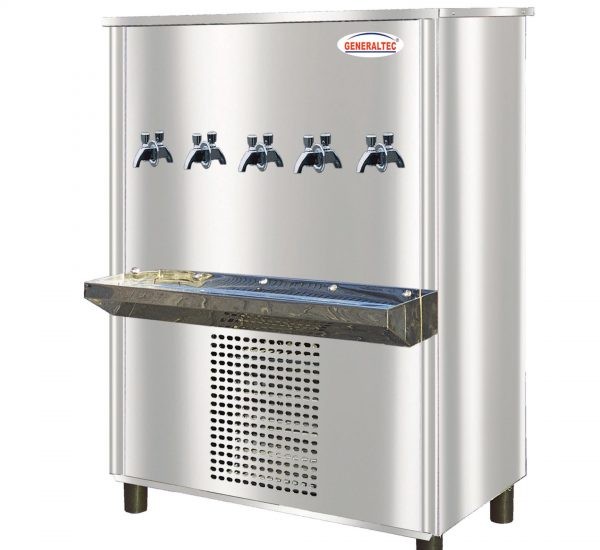
Water Cooler
Use: To supply drinking water for construction site worker or to dispense cold, warm or normal room-temperature water for Site Worker/Labour.
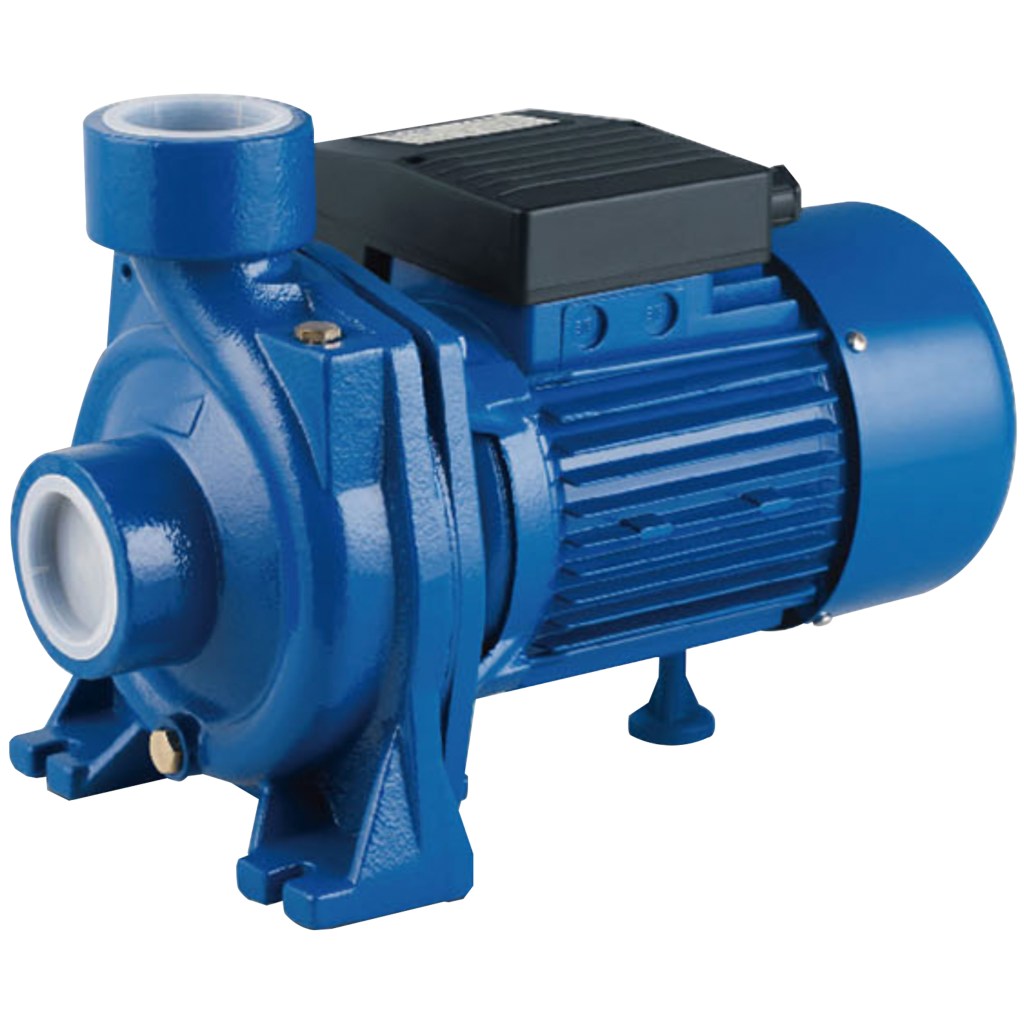
Centrifugal Water Pump
Use: For pumping the water from water tank to desired location at site.
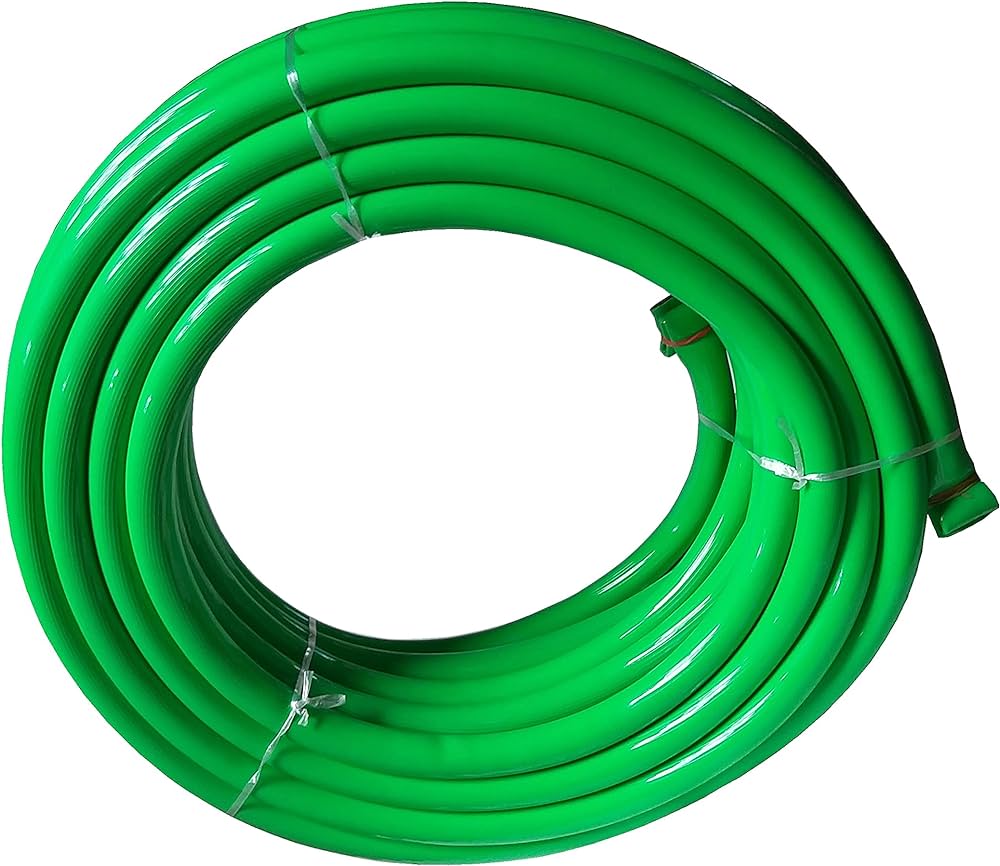
Flexible Water Hose
Use: For curing of concrete.
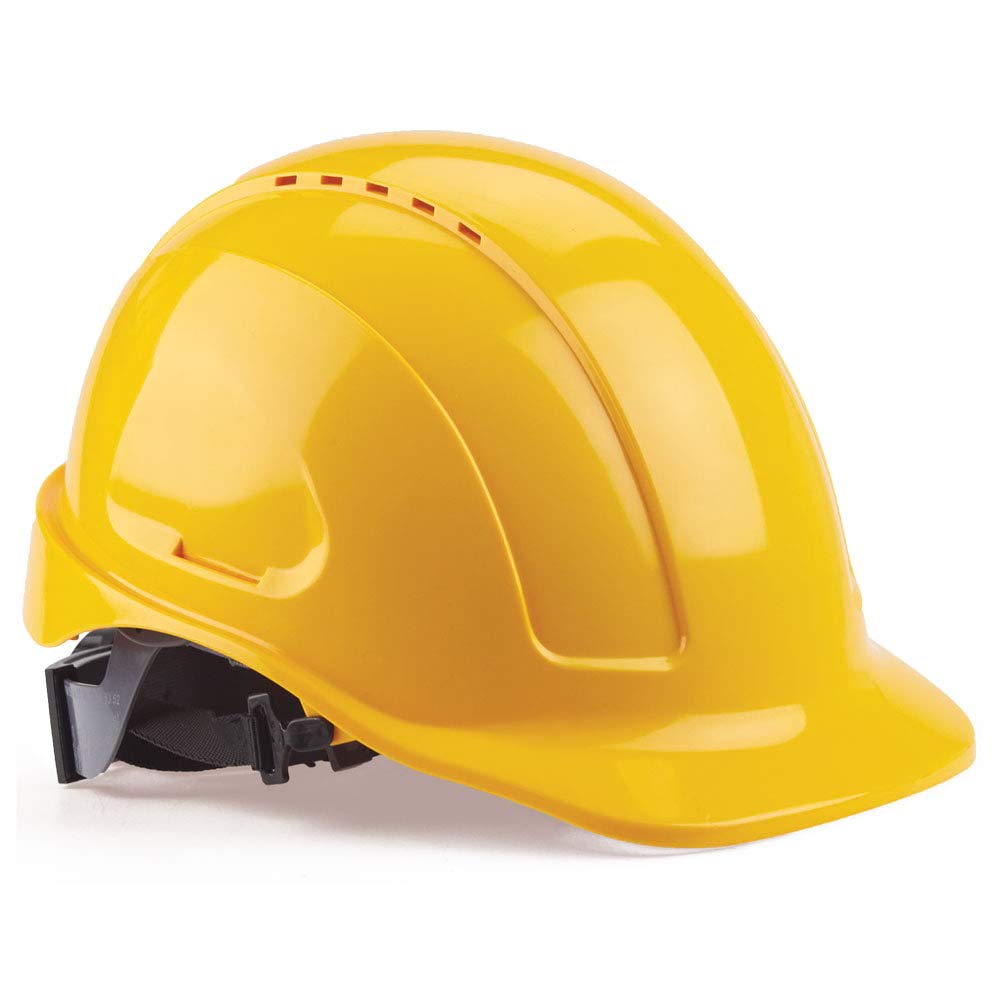
Helmet
Use: Helmets are required when working in areas where there is a potential for injury to the head from falling objects. wearing a safety helmet is not only crucial but also mandatory. Apart from protecting the head, safety helmets also come with additional features that enhance comfort and visibility.
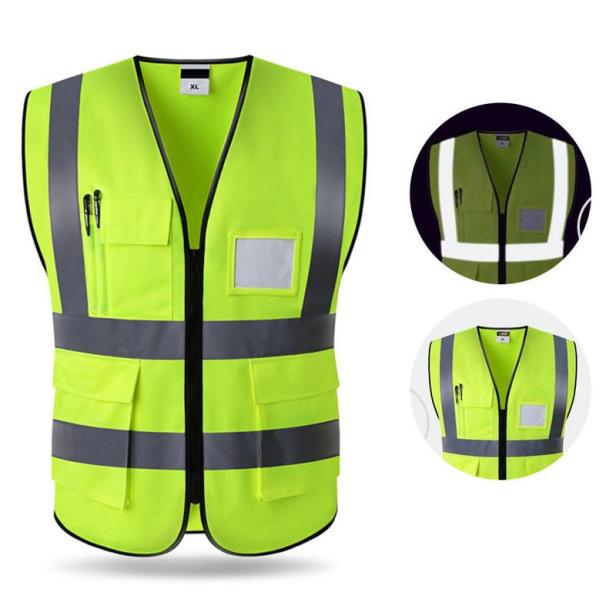
Safety Vest/Reflective Jacket/High Visibility Jacket
Use: The purpose of reflective clothing, also known as high-visibility warning clothing, is to signal the presence of the user in places and situations which may cause potential threats to their health and safety.
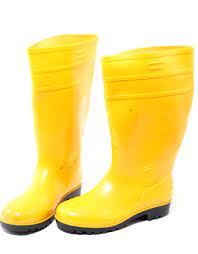
Gum Boot
Use: To keep legs and feet safe and dry in muddy area.
Hope you have enjoyed the Knowledge of Essential Construction Tools, Equipment’s & Machinery List with Pictures!!!
Also Look at:
Discover more from MicrobiteWorld
Subscribe to get the latest posts sent to your email.

 MicrobiteWorld